

















Let's get started...
Understanding Acne: A Common Teen Issue
Acne is one of the most common skin conditions during teenage years, affecting approximately 85% of young people between the ages of 12 and 24. The condition manifests as different types of spots on the skin, including blackheads, whiteheads, pimples, and sometimes, painful lumps that can reside deep under the surface. These can appear in areas such as the face, back, and chest. While the primary factor behind acne is the hormonal changes during puberty, other elements like diet, stress, and skincare habits also play significant roles.
The Impact of Acne on Teenagers
For many teenagers, acne is not just about physical appearance; it often carries emotional and psychological weight. Having acne can lead to lowered self-esteem, reduced confidence, and in severe cases, social withdrawal or depression. Moreover, peer pressure and social media imagery can exacerbate these feelings by setting unrealistic expectations of perfection.
Creating an Effective Skincare Routine
The first step in managing acne effectively is establishing a consistent skincare routine. Here's how to do it right:
1. Understanding Your Skin Type
Determining whether your skin is oily, dry, combination, or sensitive is crucial as it influences the type of products you should use. Generally, acne-prone skin tends to be oily or combination; however, this is not always the case.
2. Essential Daily Steps
Regardless of your skin type, there are three core steps in a skincare routine:
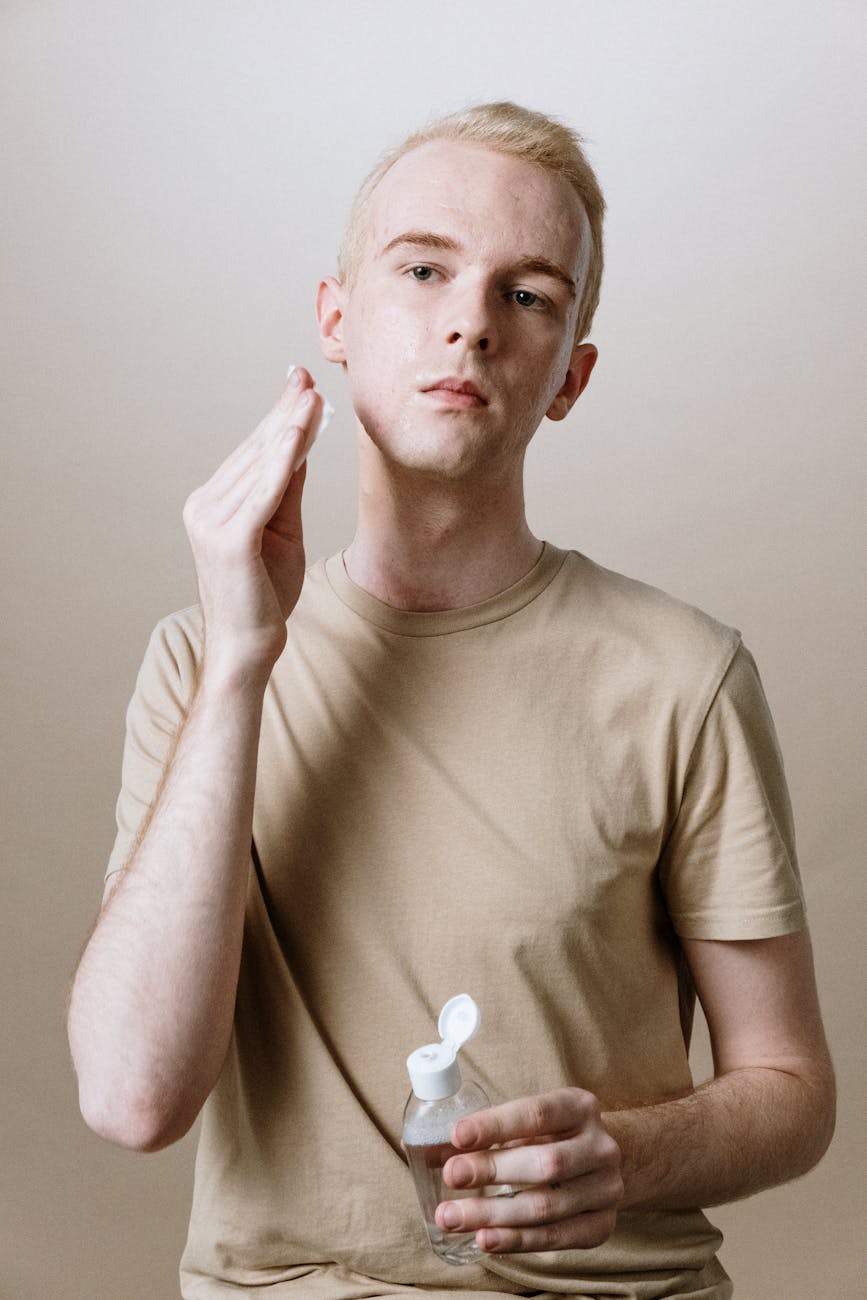
- Cleansing: Wash your face twice a day (morning and evening) with a gentle cleanser to remove excess oil, dirt and impurities. Avoid harsh scrubs as they can irritate the skin and exacerbate acne.
- Toning: After cleansing, a toner can help remove any remaining impurities while also restoring your skin's pH balance. Look for ingredients like salicylic acid if you have oily skin, as it helps to unclog pores.
- Moisturising: Lastly, apply a light, oil-free moisturiser to keep your skin hydrated. Even oily skins need hydration; skipping this step can actually lead to more oil production.
3. Weekly Enhancements
For more in-depth treatment, incorporate these weekly:
- Exfoliation: Use a chemical exfoliant, such as an alpha-hydroxy acid (AHA) or beta-hydroxy acid (BHA) once or twice weekly. These help by gently peeling off dead skin cells that can clog pores.
- Face Masks: Applying a face mask once a week can help draw out impurities and calm acne-prone skin. Clay masks are particularly great for oily skin.
Sun Protection
Many acne treatments can make your skin sensitive to sunlight. Daily use of a non-comedogenic, broad-spectrum sunscreen with at least SPF 30 is essential.
Managing Acne Beyond Skincare
While skincare is fundamental, here are additional strategies to manage acne:
1. Diet and Hydration
Maintain a healthy diet rich in fruits, vegetables, lean proteins, and whole grains. Some studies suggest that dairy products and high glycaemic index foods may trigger acne in some people. Drinking plenty of water also helps detoxify your body and keep your skin hydrated.
2. Stress Management
Stress can aggravate acne, so engaging in activities that reduce stress can be beneficial. Consider yoga, meditation, or simply taking time to relax and do things you enjoy.
Consulting a Professional
If your acne persists or worsens, it might be time to consult a dermatologist. They can prescribe medications as per your specific condition, ranging from topical treatments to oral antibiotics or stronger options like isotretinoin for severe cases.
Ultimately, the best skincare routine for acne is one that you follow consistently, is tailored to your individual skin needs, and includes lifestyle factors beyond just what you put on your face. Patience and persistence are key results don't happen overnight but with the right approach, improvements are within reach.
How are you feeling?
It is really important that when we need help, we feel able to ask for it. This could be speaking to a parent, a close friend, a teacher or someone else you trust. Sometimes it can be really hard to share our feelings with other people but if we are feeling low or don't know where to turn, sharing with others is really important. Teachers will always take you seriously and listen to your problems in confidence if you approach them for help. Likewise, parents, siblings or friends will help you if you reach out to them.
If you feel like you can't speak to anyone you know, there are people and organisations that can help support you:
- Childline - Call them on 0800 1111 any time of the day or night, every day of the week
- NSPCC - Call them on 0808 800 5000 between 10am and 4pm Monday to Friday or email them on help@NSPCC.org.uk
- The Samaritans – Call them on 116 123 any time of the day or night, every day of the week
- SANE – Call 0300 304 7000 for support (4:30pm - 10:30pm every day)
- Mind – Call 0300 123 3393 (9:00am - 6:00pm Monday to Friday)
*Sometimes we will use real life examples in our articles to aid understanding. When we do, names and ages will be changed.
