

















Let's get started...
Dealing with acne can be a challenging and often frustrating journey, especially when it seems like nothing is working. If you find yourself struggling with persistent acne despite trying various treatments, it can feel defeating, but hope is not lost. It's important to understand why acne treatments might fail and explore what other steps you can take to manage and improve your skin's condition.
Understanding Why Acne Treatments May Not Work
Acne is caused by a combination of factors including excess oil production, clogged pores, bacteria, and inflammation. Despite the straightforward nature of its causes, treating acne can be complicated. If your acne treatments are not working, here are some possible reasons:
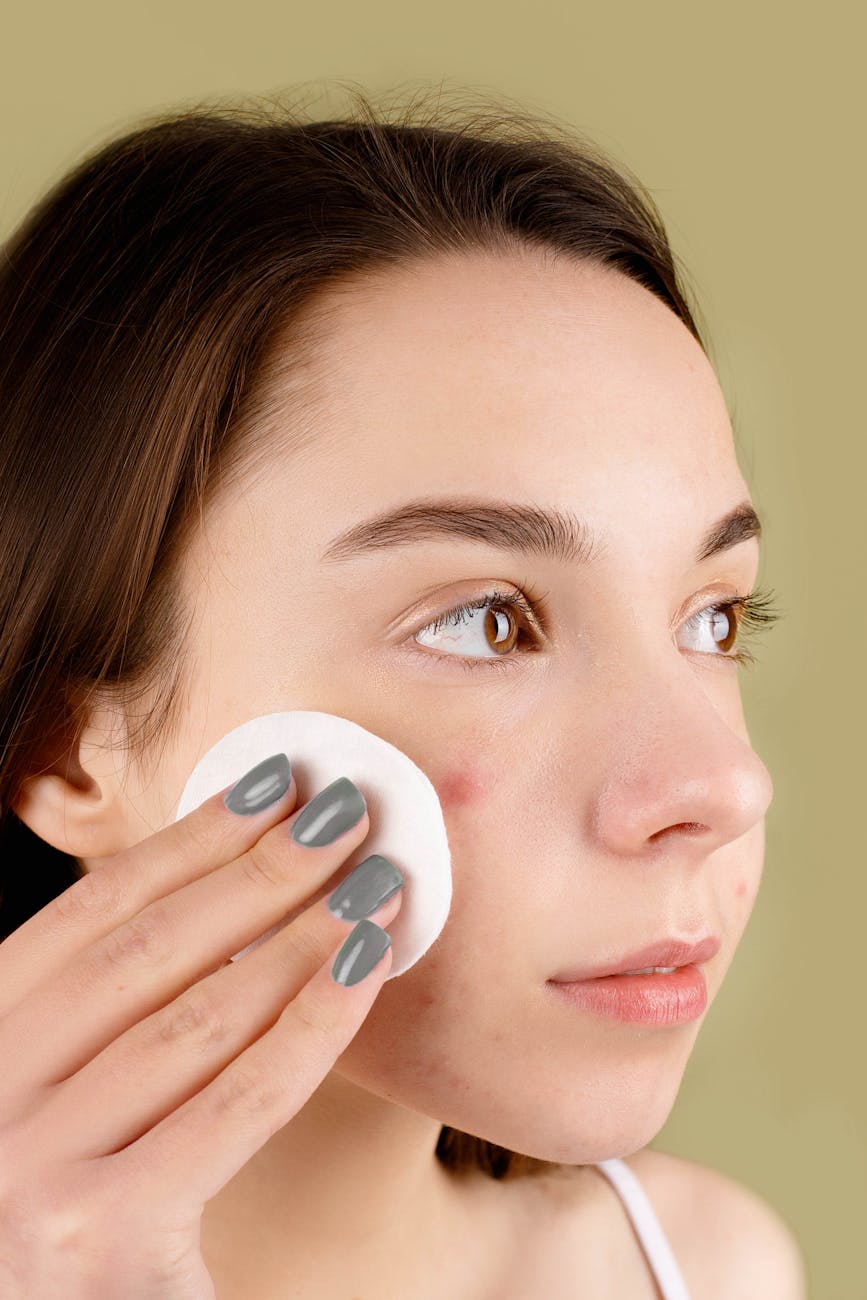
- Not using the right products: Not all acne is the same, and different types of acne require different treatments. What works for one person might not work for another.
- Improper use of products: Sometimes, it's not about the product itself, but how it's being used. Using too much or too little, or not applying it correctly can affect the results.
- Not giving it enough time: Many acne treatments require time to see noticeable results, often several weeks or even months. Jumping from one product to another can impede your progress.
- Hormonal factors: Particularly in teenagers, hormones play a significant role in acne, and sometimes topical treatments alone aren't enough. Hormonal changes might be what's keeping your acne active despite treatment.
- Lifestyle and environmental factors: Diet, stress, and environmental irritants can all impact your skin and might be undermining your treatment efforts.
Real-life Impact of Persistent Acne on Teenagers
Living with persistent acne can have profound emotional and psychological effects, particularly during your teenage years. During adolescence, appearance can significantly influence self-esteem and social interactions. Persistent acne can lead to feelings of insecurity, social withdrawal, and in severe cases, depression. The frustration of unsuccessful treatments can exacerbate these feelings, creating a cycle that is both emotionally and physically taxing.
Strategies If Acne Treatments Aren't Working
If you've tried various acne treatments without success, consider the following strategies:
Consult a Dermatologist
Seeing a dermatologist can make a huge difference if your acne treatments are not working. Dermatologists are equipped to assess your skin's condition accurately and can prescribe stronger medications if necessary. These might include topical retinoids, antibiotics, or even oral medications like isotretinoin for more severe cases.
Re-evaluate Your Skin Care Routine
It's vital to look at your skin care routine and make sure it's suited to your skin type. This includes not only your acne treatments but also your cleansers, moisturisers, and any makeup products you use. Non-comedogenic, oil-free, and fragrance-free products are generally best for acne-prone skin. Be gentle with your skin and avoid harsh scrubs or tools that might irritate your acne further.
Consider Lifestyle Changes
Lifestyle can have a considerable impact on skin health. Here are few changes that might help:
- Diet: Some studies suggest that certain foods might exacerbate acne. Foods high on the glycaemic index (such as sugary snacks and white bread) and dairy products may worsen acne for some people.
- Stress management: Stress is known to increase the body's production of oils, which can exacerbate acne issues. Activities like yoga, meditation, or even regular exercise can help manage stress.
- Sleep: Getting enough sleep is crucial for your overall health and can help your skin heal and rejuvenate.
Possible Alternative Treatments
Beyond conventional medications, there are other treatments and home remedies that some people find helpful, such as:
- Tea tree oil: Known for its anti-inflammatory and antimicrobial properties, it can be an effective topical remedy for mild to moderate acne. Make sure to dilute it properly to avoid skin irritation.
- Green tea extract: Applying green tea extract can diminish sebum production and reduce inflammation.
- Alpha hydroxy acids: These acids help remove dead skin cells clogging pores and reduce the appearance of acne scars.
Remember, what works for someone else might not work for you, so it's essential to tailor your approach based on your skin's unique needs.
Conclusion
No single acne treatment works for everyone, and finding the right solution can sometimes be a process of trial and error. If the usual treatments fail, reassessing your approach with a dermatologist, tweaking your skin care routine, and considering lifestyle changes are all potential paths to clearer skin. Most importantly, finding a way to manage acne should also involve addressing the psychological impacts, ensuring that you navigate this challenging time with both physical and emotional support.
How are you feeling?
It is really important that when we need help, we feel able to ask for it. This could be speaking to a parent, a close friend, a teacher or someone else you trust. Sometimes it can be really hard to share our feelings with other people but if we are feeling low or don't know where to turn, sharing with others is really important. Teachers will always take you seriously and listen to your problems in confidence if you approach them for help. Likewise, parents, siblings or friends will help you if you reach out to them.
If you feel like you can't speak to anyone you know, there are people and organisations that can help support you:
- Childline - Call them on 0800 1111 any time of the day or night, every day of the week
- NSPCC - Call them on 0808 800 5000 between 10am and 4pm Monday to Friday or email them on help@NSPCC.org.uk
- The Samaritans – Call them on 116 123 any time of the day or night, every day of the week
- SANE – Call 0300 304 7000 for support (4:30pm - 10:30pm every day)
- Mind – Call 0300 123 3393 (9:00am - 6:00pm Monday to Friday)
*Sometimes we will use real life examples in our articles to aid understanding. When we do, names and ages will be changed.
