

















Let's get started...
Understanding Acne and it's Psychological Impact
Acne is not just a surface-level concern; it goes deeper, emotionally and psychologically, affecting millions of teenagers across the UK each year. Generally beginning in puberty, due to hormonal changes that cause skin glands to produce more oil, acne is characterised by blackheads, whiteheads, pimples, and sometimes painful cysts. This might seem like a common rite of passage in teenage life, but for many young people, the effects are far-reaching, particularly when it comes to self-esteem.
The development of self-esteem is a crucial part of teenage years, which form the foundation of how individuals perceive and value themselves in adulthood. During these formative years, even seemingly trivial skin issues like acne can distort self-image and confidence.
Acne and Self-Perception
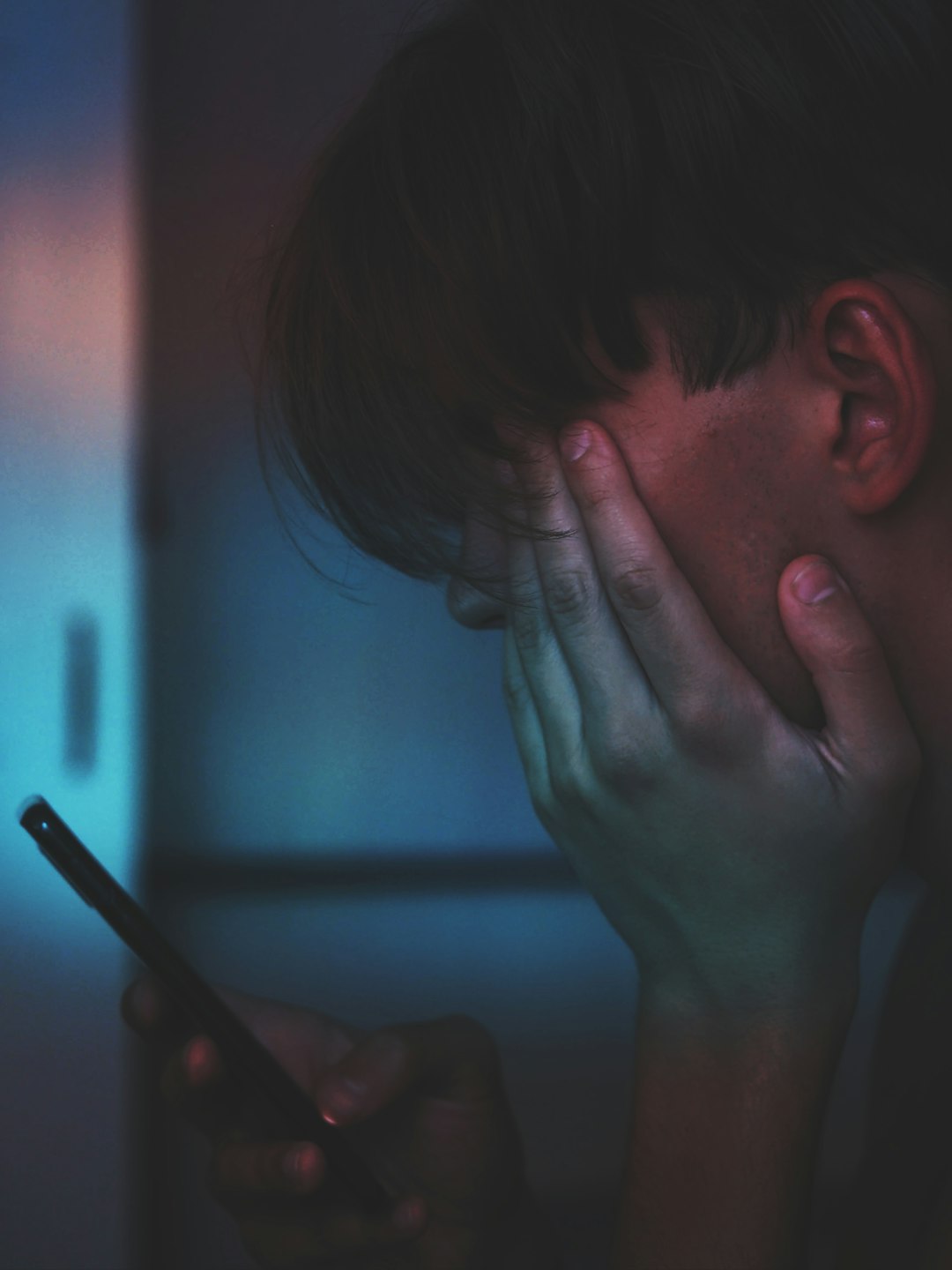
For many teenagers, acne is a source of extreme self-consciousness. The visibility of acne can make teenagers feel markedly different from their peers, especially in today's image-driven world fuelled by social media and the quest for "perfect" selfies. This hyper-focus on appearance can make acne seem like a colossal barrier to fitting in, which is often a top concern for young individuals.
Impact on Daily Life and Social Interaction
Acne can lead to avoidance behaviours among teenagers. Some might shy away from social gatherings, skip important events like proms or sports activities, or even choose to miss school on particularly bad skin days. This withdrawal can have a ripple effect on social skills development and maintaining friendships, further exacerbating feelings of isolation or loneliness.
Academic Performance and Participation
Beyond social interactions, self-esteem issues arising from acne can creep into academic life. Teenagers might avoid participating in class or extracurricular activities where they feel exposed or visible to scrutiny, impacting their learning and overall school experience.
Strategies to Manage the Effects of Acne on Self-Esteem
Dealing with the emotional fallout of acne isn't just about managing skin care it's equally important to nurture mental health. Here are some practical strategies to help manage the effects of acne on self-esteem:
1. Effective Acne Treatment and Skincare
- Consulting a dermatologist can provide tailored advice and treatments that tackle acne more effectively than over-the-counter products.
- Maintaining a regular, gentle skincare routine can also help manage and reduce acne over time.
2. Building a Support System
- Talking about the emotional impact of acne with friends, family, or a counsellor can be therapeutic. It helps in realising that many peers also struggle with similar issues.
3. Focusing on Comprehensive Self-Care
- Incorporating activities that enhance overall wellbeing, such as regular exercise, sufficient sleep, and a balanced diet, can improve both skin health and emotional resilience.
4. Educating Peers and Promoting Awareness
- Encouraging open discussions about acne and its impact within schools and friend circles can demystify the condition and reduce stigma. Awareness can foster empathy and reduce bullying or negative comments related to appearance.
5. Positive Affirmations and Self-Acceptance
- Building a habit of positive affirmations can fundamentally change how teens view themselves. Daily affirmations help to focus more on strengths and less on perceived flaws.
6. Engaging in Hobbies and Interests
- Diving into hobbies or interests that bring joy and boost confidence can shift focus away from appearance and towards personal skills and achievements.
Conclusion
The journey to overcoming the self-esteem issues caused by acne often requires a multifaceted approach. Tackling the skin condition itself, reinforcing a positive self-image, engaging in social activities, and ensuring supportive networks are in place, can all play a significant role in mitigating acne's emotional effects. With awareness and the right strategies, teenagers can navigate these challenges and emerge with stronger self-esteem, regardless of the state of their skin.
How are you feeling?
It is really important that when we need help, we feel able to ask for it. This could be speaking to a parent, a close friend, a teacher or someone else you trust. Sometimes it can be really hard to share our feelings with other people but if we are feeling low or don't know where to turn, sharing with others is really important. Teachers will always take you seriously and listen to your problems in confidence if you approach them for help. Likewise, parents, siblings or friends will help you if you reach out to them.
If you feel like you can't speak to anyone you know, there are people and organisations that can help support you:
- Childline - Call them on 0800 1111 any time of the day or night, every day of the week
- NSPCC - Call them on 0808 800 5000 between 10am and 4pm Monday to Friday or email them on help@NSPCC.org.uk
- The Samaritans – Call them on 116 123 any time of the day or night, every day of the week
- SANE – Call 0300 304 7000 for support (4:30pm - 10:30pm every day)
- Mind – Call 0300 123 3393 (9:00am - 6:00pm Monday to Friday)
*Sometimes we will use real life examples in our articles to aid understanding. When we do, names and ages will be changed.
