

















Let's get started...
Understanding Acne: A Brief Overview
Acne is a common skin condition that typically begins in puberty and can extend into adulthood. It occurs when hair follicles become blocked with oil and dead skin cells, leading to pimples, blackheads, whiteheads, and sometimes even deep, painful cysts or nodules. Hormonal changes during the teenage years are often the driving force behind acne. However, other elements like diet, stress levels, and genetics also play significant roles.
The Real-Life Impact of Acne on Teenagers
For many young people, acne is not just a few spots here and there; it's a significant source of stress that can affect their self-esteem and overall mental well-being. The visibility of acne on the skin, particularly the face, can lead to feelings of embarrassment and anxiety. Social interactions might become more stressful, and some might avoid photos or even social gatherings. In severe cases, these emotional stresses can lead to social withdrawal and depression.
How Long Does Acne Last?
The duration of acne can vary widely from person to person. Some might experience it only briefly during their teen years, while others might struggle with it well into their 20s, 30s, or even later years. Let's explore the phases of acne:
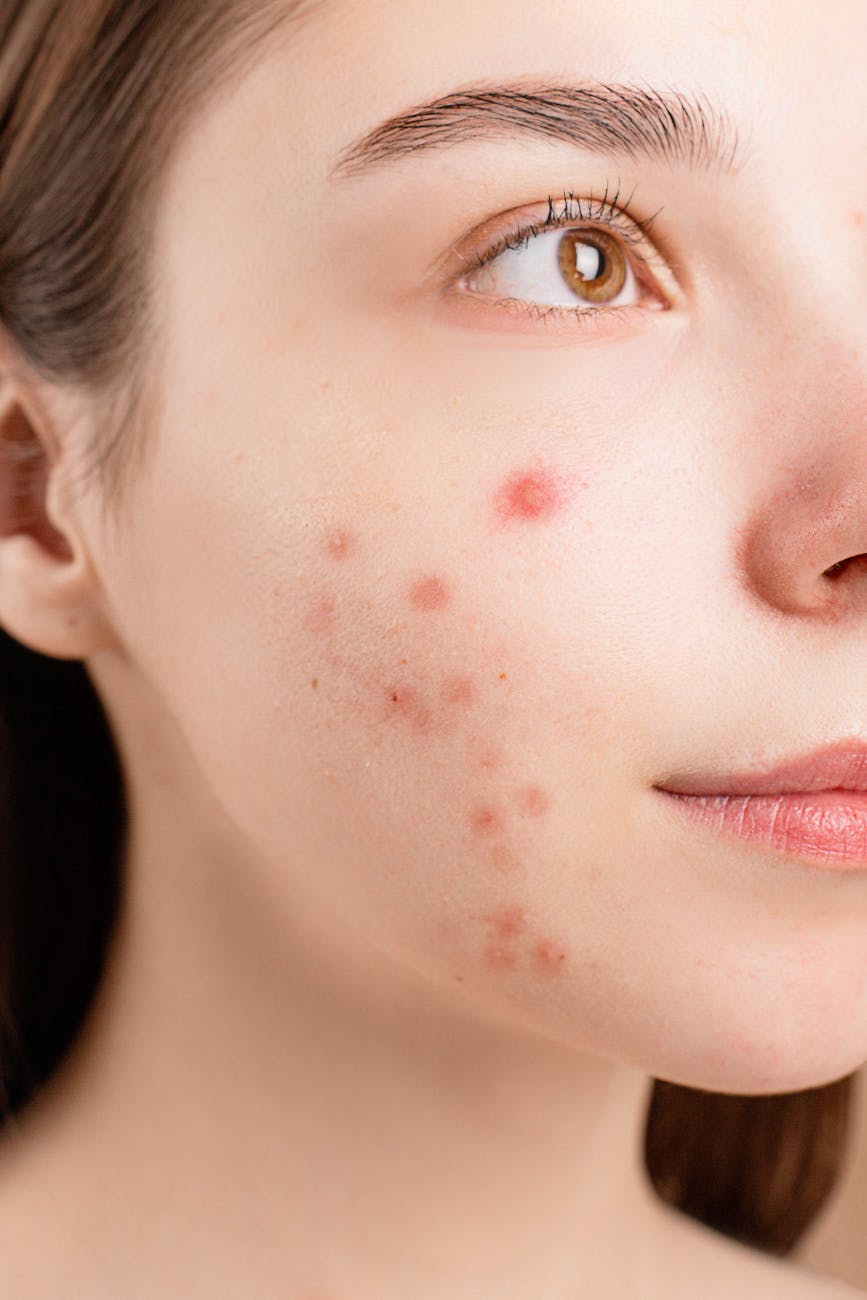
- Teen Acne: This is the most common form, beginning in the early teenage years and sometimes lasting through to the late teens. Hormonal fluctuations are usually the culprits here. For most, acne will start to diminish as their hormones begin to regulate, often clearing up by their early twenties.
- Adult Acne: For some individuals, acne persists or even starts in adulthood. This can often be attributed to hormonal imbalances, stress, and/or improper skin care. Women in particular may experience hormonal changes during menstruation, pregnancy, or menopause, which can all trigger acne flare-ups.
It's not unusual for acne to last 5 to 10 years; however, the intensity and frequency of outbreaks generally decrease with age. Understanding the type of acne and its causes can significantly aid in managing its longevity.
Practical Strategies for Managing Acne
Maintaining a Proper Skin Care Routine
One of the most effective methods to manage acne is establishing a skin care routine tailored to acne-prone skin:
- Wash your face twice a day: Use a mild cleanser in the morning and evening to remove excess oil and dirt. Avoid harsh scrubbing, which can irritate the skin and exacerbate acne.
- Use acne-fighting products: Products containing salicylic acid, benzoyl peroxide, or alpha hydroxy acids can help reduce breakouts by removing dead skin cells and reducing bacteria.
- Avoid heavy makeup: When possible, choose non-comedogenic products, as they are designed not to clog pores.
Adopting a Healthy Lifestyle
While skin care products are vital, true health starts from the inside. Here are some lifestyle changes that can positively impact your skin:
- Eat a balanced diet: High-glycaemic foods can trigger acne in some people. Focus on a diet rich in fruits, vegetables, lean proteins, and whole grains.
- Stay hydrated: Drinking water helps to flush toxins from your body and hydrate your skin. Aim for at least 8 glasses a day.
- Manage stress: High stress levels can increase the hormone cortisol, exacerbating acne. Regular exercise, meditation, and adequate sleep can all help reduce stress.
Seeking Professional Help
If your acne continues to persist or worsens, consulting a doctor or a dermatologist can be a crucial step. They can provide prescriptions for stronger medications and offer treatments like chemical peels or laser therapy that are not available over the counter.
Conclusion
While acne is indeed a frustrating condition, it's important to remember that it is temporary. With the right blend of treatments, lifestyle changes, and professional advice, most people can find relief from acne. Keep in mind, the key is consistency and patience, skin transformations don't happen overnight.
Ultimately, dealing with acne is a journey that may last for more than just your teenage years, but with perseverance and the right approach, you can mitigate its effects and boost your confidence and self-esteem.
How are you feeling?
It is really important that when we need help, we feel able to ask for it. This could be speaking to a parent, a close friend, a teacher or someone else you trust. Sometimes it can be really hard to share our feelings with other people but if we are feeling low or don't know where to turn, sharing with others is really important. Teachers will always take you seriously and listen to your problems in confidence if you approach them for help. Likewise, parents, siblings or friends will help you if you reach out to them.
If you feel like you can't speak to anyone you know, there are people and organisations that can help support you:
- Childline - Call them on 0800 1111 any time of the day or night, every day of the week
- NSPCC - Call them on 0808 800 5000 between 10am and 4pm Monday to Friday or email them on help@NSPCC.org.uk
- The Samaritans – Call them on 116 123 any time of the day or night, every day of the week
- SANE – Call 0300 304 7000 for support (4:30pm - 10:30pm every day)
- Mind – Call 0300 123 3393 (9:00am - 6:00pm Monday to Friday)
*Sometimes we will use real life examples in our articles to aid understanding. When we do, names and ages will be changed.
