

















Let's get started...
Acne is a common skin condition that affects many teenagers, causing spots, oily skin, and sometimes scarring. Dealing with acne can be frustrating, especially when it impacts your confidence and how you feel about yourself. The good news is that there are effective strategies to manage acne and improve your skin. This article explains what acne is, the impact it can have on young people, and practical tips for dealing with it.What Is Acne?
Acne occurs when your skin's oil glands produce too much oil (sebum), which clogs pores along with dead skin cells and bacteria. This can lead to different types of spots, including blackheads, whiteheads, and inflamed pimples. While it's most common during the teenage years due to hormonal changes, anyone can experience acne at any age.What Causes Acne?
Several factors contribute to acne. Understanding these can help you identify triggers and take action:1. Hormonal Changes
During puberty, hormones like androgens increase, stimulating the oil glands in your skin. This can lead to excess oil production and clogged pores.2. Genetics
If your parents had acne, you're more likely to experience it too. Genetics can influence how much oil your skin produces and how easily your pores become clogged.3. Diet
While diet doesn't directly cause acne, some foods, like sugary snacks or dairy, may trigger breakouts in certain people.4. Stress
Stress doesn't cause acne, but it can make existing acne worse by increasing hormone levels and inflammation in the body.5. Skincare Products
Using products that are too harsh or not suited for your skin type can irritate your skin and contribute to breakouts.The Real-Life Impact of Acne on Teenagers
Acne doesn't just affect your skin, it can also impact your mental health and self-esteem. Here are some examples:1. Confidence Issues
Emma, 15, started avoiding social events because she felt self-conscious about her acne. She worried that others were judging her appearance, even though her friends reassured her otherwise.2. Emotional Stress
Ryan, 16, felt frustrated and upset every time a new breakout appeared, especially before important events like school photos or exams.3. Social Challenges
Sophie, 14, experienced teasing from classmates about her skin, which made her feel isolated and anxious about going to school.Practical Strategies for Dealing with Acne
While acne can be challenging, there are many ways to manage it effectively. Here are some practical tips:1. Develop a Consistent Skincare Routine
A good skincare routine is key to keeping your skin clean and healthy. Here's a basic routine to try: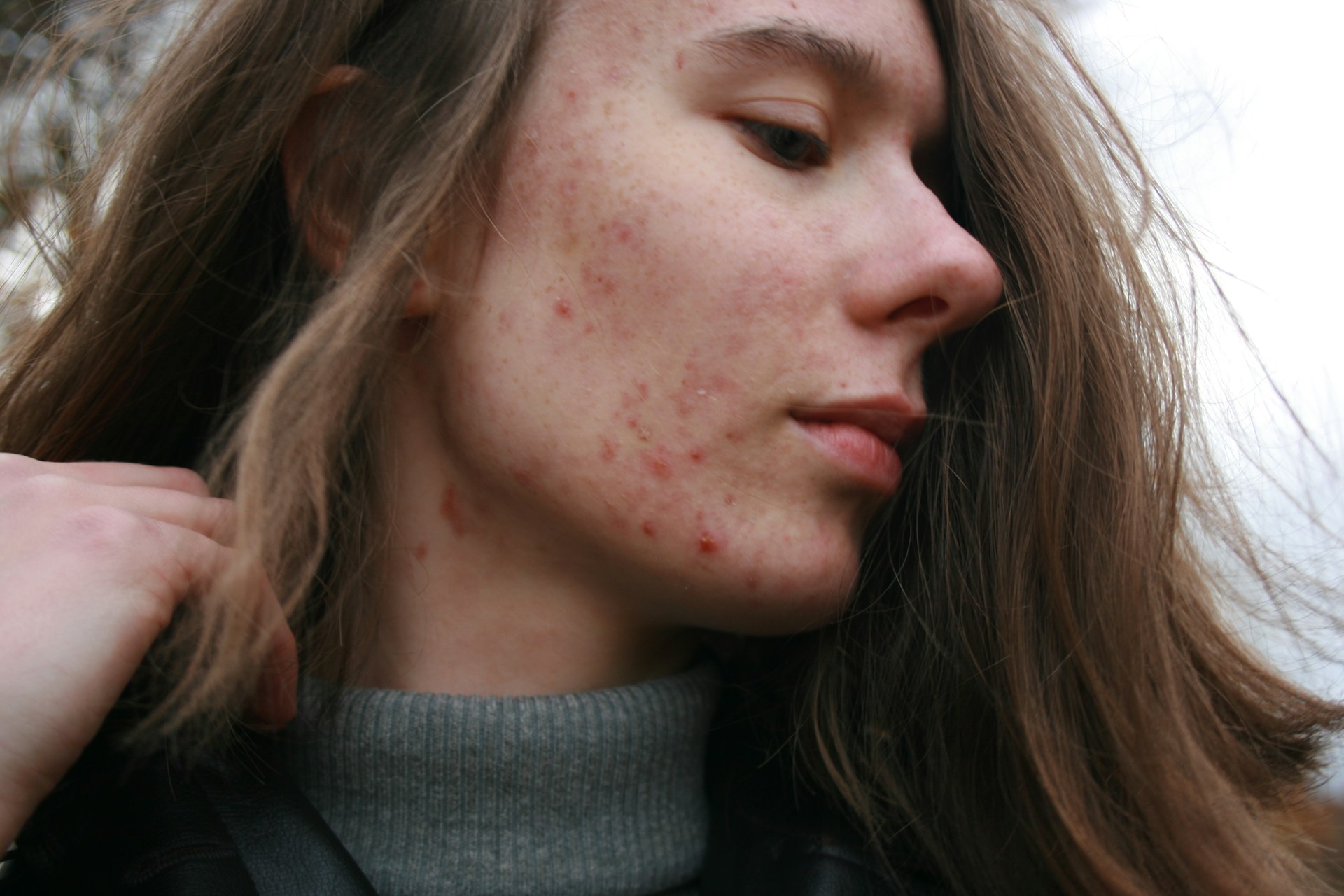
- Cleanse: Wash your face twice a day with a gentle, non-comedogenic cleanser to remove dirt and excess oil.
- Treat: Use an acne treatment product containing ingredients like salicylic acid or benzoyl peroxide to target spots.
- Moisturise: Apply a lightweight, oil-free moisturiser to keep your skin hydrated and balanced.
2. Avoid Over-Washing
Washing your face too often can strip your skin of its natural oils, leading to dryness and irritation. Stick to cleansing twice a day, morning and night.3. Don't Pick or Pop Spots
Picking at spots can make acne worse and increase the risk of scarring. If you're tempted to pick, remind yourself that it's better to let your skin heal naturally.4. Use Sunscreen
Sun protection is important, especially if you're using acne treatments that make your skin more sensitive. Choose a non-comedogenic sunscreen with SPF 30 or higher.5. Watch Your Diet
While there's no single "anti-acne" diet, eating a balanced diet with plenty of fruits, vegetables, and whole grains can support healthy skin. Try reducing sugary snacks and monitoring whether certain foods trigger breakouts for you.6. Keep Your Hands and Hair Clean
Avoid touching your face throughout the day, as your hands can transfer bacteria and oil to your skin. Wash your hair regularly to prevent oil from your scalp clogging your pores.7. Stay Hydrated
Drinking enough water helps keep your skin hydrated and flushes toxins from your body. Aim for at least 6-8 glasses of water a day.8. Manage Stress
Stress can worsen acne, so find ways to relax and unwind. Try activities like yoga, deep breathing, or journaling to reduce stress levels.9. Use Non-Comedogenic Products
Look for makeup, skincare, and haircare products labelled as non-comedogenic, meaning they won't clog your pores.10. Seek Professional Advice
If over-the-counter treatments don't work, or if your acne is severe, consider seeing a dermatologist. They can recommend prescription treatments like topical retinoids, antibiotics, or other medications to help clear your skin.Myths About Acne
There are many misconceptions about acne that can make it harder to manage. Here are some myths to avoid:1. "Acne Is Caused by Dirt"
Acne isn't caused by poor hygiene. In fact, over-washing your face can make acne worse by irritating your skin.2. "Tanning Clears Acne"
While a tan might temporarily hide redness, sun exposure can damage your skin and lead to more breakouts in the long run.3. "Only Teenagers Get Acne"
Acne is most common during the teenage years, but it can affect people of all ages.Building Confidence While Managing Acne
Dealing with acne can be tough, but it's important to remember that you're not alone. Here are some ways to build confidence while managing your skin:- Focus on your strengths and what makes you unique.
- Surround yourself with supportive friends and family who value you for who you are.
- Remind yourself that acne doesn't define you, it's just a temporary part of life.
When to Seek Help
If acne is affecting your self-esteem or causing significant discomfort, don't hesitate to seek professional help. A dermatologist can provide personalised treatment options and help you feel more in control of your skin.Final Thoughts
Acne is a common part of growing up, but it doesn't have to take over your life. By understanding what causes acne and following a consistent skincare routine, you can manage breakouts and keep your skin healthy. Remember, acne doesn't define your worth, and with time and the right strategies, you'll find what works best for you. Don't be afraid to reach out for help if you need it, support is always available.How are you feeling?
It is really important that when we need help, we feel able to ask for it. This could be speaking to a parent, a close friend, a teacher or someone else you trust. Sometimes it can be really hard to share our feelings with other people but if we are feeling low or don't know where to turn, sharing with others is really important. Teachers will always take you seriously and listen to your problems in confidence if you approach them for help. Likewise, parents, siblings or friends will help you if you reach out to them.
If you feel like you can't speak to anyone you know, there are people and organisations that can help support you:
- Childline - Call them on 0800 1111 any time of the day or night, every day of the week
- NSPCC - Call them on 0808 800 5000 between 10am and 4pm Monday to Friday or email them on help@NSPCC.org.uk
- The Samaritans – Call them on 116 123 any time of the day or night, every day of the week
- SANE – Call 0300 304 7000 for support (4:30pm - 10:30pm every day)
- Mind – Call 0300 123 3393 (9:00am - 6:00pm Monday to Friday)
*Sometimes we will use real life examples in our articles to aid understanding. When we do, names and ages will be changed.
