

















Let's get started...
Acne is a common skin condition that affects millions of teenagers. Despite its prevalence, many myths about acne continue to circulate, often leading to confusion and ineffective treatments. Understanding the truth about acne is essential for managing it effectively and maintaining your confidence. Acne occurs when hair follicles become clogged with oil, dead skin cells, and bacteria. Hormonal changes during adolescence often trigger this, making teenagers particularly prone to breakouts. While acne is a normal part of growing up, misinformation can make it feel more challenging to deal with.The Real-Life Impact of Acne on Teenagers
Acne can significantly affect a young person's self-esteem and mental health. For many teenagers, it's not just about the physical appearance of acne but the social pressure and embarrassment that often come with it.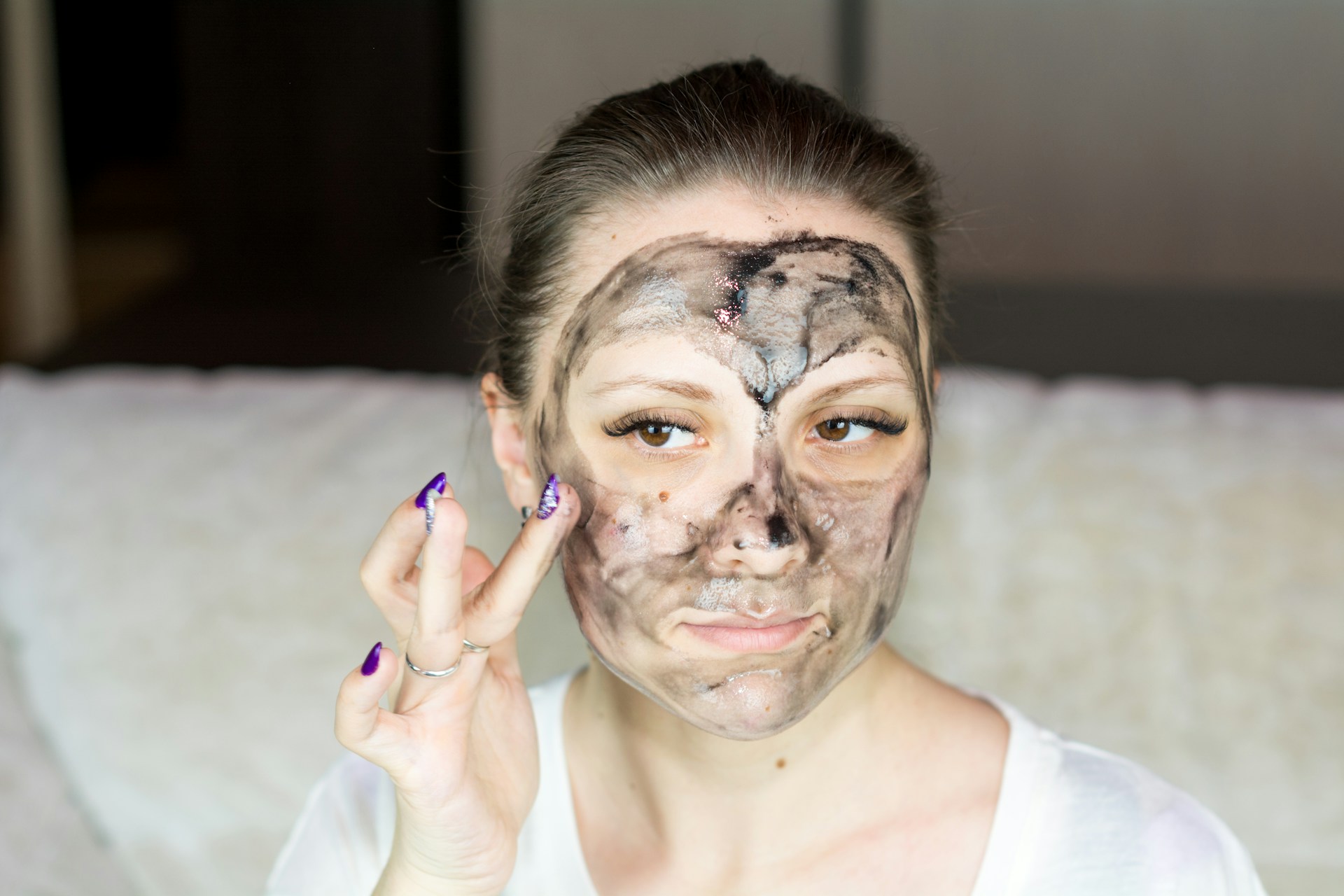
- Confidence Issues: Visible acne can make teenagers feel self-conscious, leading to reduced confidence in social situations.
- Emotional Distress: Persistent breakouts can cause frustration, sadness, or even anxiety and depression in some cases.
- Social Challenges: Teens with acne might avoid activities like taking photos or attending events, fearing judgment from others.
Are There Any Myths About Acne That Aren't True?
Yes, there are many myths about acne that aren't true. Believing these myths can lead to ineffective or even harmful skincare practices. Here are some common misconceptions:Myth 1: Acne Is Caused by Poor Hygiene
Truth: Acne isn't caused by being dirty or failing to wash your face. While good hygiene helps remove excess oil and dirt, over-washing can irritate the skin and worsen acne.Myth 2: Eating Chocolate and Greasy Foods Causes Acne
Truth: There's no scientific evidence to suggest that chocolate or greasy foods directly cause acne. A balanced diet can improve overall skin health, but these foods alone aren't to blame for breakouts.Myth 3: Popping Pimples Will Make Them Go Away Faster
Truth: Squeezing or popping pimples can lead to scarring and push bacteria deeper into the skin, making acne worse. It's best to let them heal naturally or use appropriate treatments.Myth 4: Acne Will Go Away on Its Own
Truth: While some acne improves with age, it doesn't always disappear without treatment. Seeking help early can prevent scarring and make managing acne easier.Myth 5: Only Teenagers Get Acne
Truth: Acne is common during adolescence but can affect people of all ages. Adults can experience acne due to stress, hormonal changes, or other factors.Myth 6: Sunscreen Causes Breakouts
Truth: Some sunscreens can clog pores, but many are non-comedogenic and designed for acne-prone skin. Wearing sunscreen is essential to protect your skin, especially when using acne treatments that make it more sensitive to sunlight.Myth 7: Acne Is Contagious
Truth: Acne isn't contagious and can't be spread through contact. It's caused by internal and external factors unique to each person.Practical Strategies for Managing Acne
Now that you know the truth behind these myths, here are some effective strategies for managing acne:1. Follow a Gentle Skincare Routine
Use a gentle cleanser twice a day to remove excess oil and dirt. Avoid harsh scrubs or over-washing, as these can irritate your skin and worsen breakouts.2. Choose Non-Comedogenic Products
Look for skincare and makeup products labelled as non-comedogenic, meaning they won't clog your pores. This can help prevent new breakouts.3. Use Over-the-Counter Treatments
Products containing benzoyl peroxide, salicylic acid, or niacinamide can reduce acne and prevent future breakouts. Always follow the instructions and start with a lower concentration if you have sensitive skin.4. Avoid Touching Your Face
Touching your face transfers bacteria and oil from your hands to your skin, potentially worsening acne. Try to break the habit of resting your hands on your face.5. Protect Your Skin from the Sun
Wear sunscreen daily to protect your skin from UV damage. Choose a lightweight, non-comedogenic sunscreen suitable for acne-prone skin.6. Maintain a Balanced Diet
While diet isn't the sole cause of acne, eating a balanced diet rich in fruits, vegetables, and whole grains can support overall skin health.7. Stay Hydrated
Drinking plenty of water helps maintain your skin's natural balance and can improve its overall appearance.8. Seek Professional Help
If over-the-counter treatments aren't working, consult a dermatologist. They can recommend prescription medications or therapies tailored to your skin's needs.9. Be Patient
Acne treatments take time to work, often requiring several weeks to show noticeable results. Stick to your routine and avoid switching products too frequently.10. Focus on Self-Care
Acne can affect your confidence, so take time to care for your mental health. Surround yourself with supportive friends and focus on the things that make you happy.Final Thoughts
Acne is a common and treatable condition, but myths can make managing it more difficult. By understanding the truth about acne and following practical strategies, you can take control of your skin health. Remember, you're not alone, many teenagers face the same challenges, and help is available if you need it. Embrace your journey to clearer skin with patience and positivity!How are you feeling?
It is really important that when we need help, we feel able to ask for it. This could be speaking to a parent, a close friend, a teacher or someone else you trust. Sometimes it can be really hard to share our feelings with other people but if we are feeling low or don't know where to turn, sharing with others is really important. Teachers will always take you seriously and listen to your problems in confidence if you approach them for help. Likewise, parents, siblings or friends will help you if you reach out to them.
If you feel like you can't speak to anyone you know, there are people and organisations that can help support you:
- Childline - Call them on 0800 1111 any time of the day or night, every day of the week
- NSPCC - Call them on 0808 800 5000 between 10am and 4pm Monday to Friday or email them on help@NSPCC.org.uk
- The Samaritans – Call them on 116 123 any time of the day or night, every day of the week
- SANE – Call 0300 304 7000 for support (4:30pm - 10:30pm every day)
- Mind – Call 0300 123 3393 (9:00am - 6:00pm Monday to Friday)
*Sometimes we will use real life examples in our articles to aid understanding. When we do, names and ages will be changed.
