

















Let's get started...
Dealing with spots and acne is a common challenge for teenagers. Changes in hormones, stress, and lifestyle habits can all contribute to breakouts. While it's a normal part of growing up, acne can affect your confidence and self-esteem. Here are 10 tips to help you combat spots and acne effectively and feel more comfortable in your skin.1. Understand What Causes Acne
Acne occurs when hair follicles become clogged with oil (sebum) and dead skin cells. This creates the perfect environment for bacteria to thrive, leading to spots, blackheads, and pimples. Common triggers include: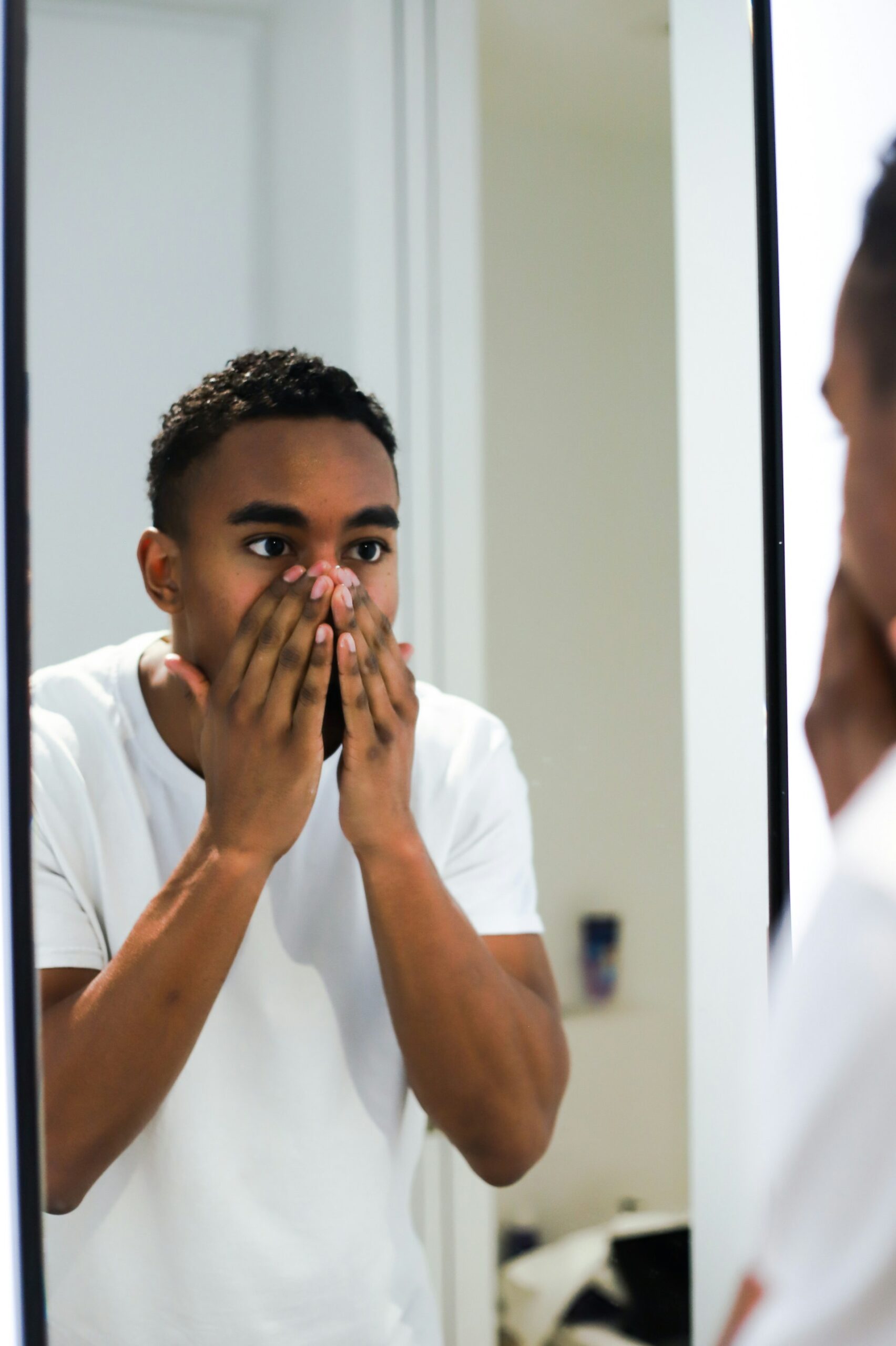
- Hormonal changes during puberty.
- Excessive oil production.
- Poor skincare habits or using unsuitable products.
2. Wash Your Face Twice a Day
Cleansing your face regularly removes dirt, oil, and bacteria. Follow these steps for effective cleansing:- Use a gentle cleanser suited to your skin type, avoid harsh soaps that strip natural oils.
- Wash your face in the morning and before bed.
- Pat your skin dry with a clean towel to prevent irritation.
3. Choose Non-Comedogenic Products
Non-comedogenic products are designed not to clog pores, making them ideal for acne-prone skin. Look for these labels on:- Moisturisers.
- Makeup products.
- Sunscreens.
4. Avoid Overwashing or Scrubbing
While it's important to keep your skin clean, overwashing or scrubbing can irritate your skin and worsen acne. Tips to avoid irritation include:- Using lukewarm water instead of hot water.
- Gently massaging cleanser onto your skin rather than scrubbing.
- Limiting face washing to twice a day unless you've been sweating heavily.
5. Maintain a Healthy Diet
What you eat can impact your skin. While the relationship between diet and acne isn't fully understood, some foods may trigger breakouts. Consider:- Limiting sugary snacks and drinks: High sugar intake can spike insulin levels, potentially worsening acne.
- Eating more fruits and vegetables: These provide antioxidants and nutrients that support healthy skin.
- Staying hydrated: Drinking plenty of water helps flush toxins from your body.
6. Don't Pop or Pick at Spots
As tempting as it may be, popping spots can lead to scarring and infections. Instead:- Let spots heal naturally.
- Use spot treatments with ingredients like salicylic acid or benzoyl peroxide.
- Apply a warm compress to reduce swelling and discomfort.
7. Use Targeted Acne Treatments
Over-the-counter acne treatments can help manage breakouts. Look for products containing:- Salicylic acid: Helps unclog pores and reduce inflammation.
- Benzoyl peroxide: Kills acne-causing bacteria and reduces redness.
- Retinoids: Encourage skin cell turnover and prevent clogged pores.
8. Keep Your Hands Off Your Face
Touching your face transfers bacteria and oil from your hands, which can worsen acne. To avoid this:- Keep your hands clean throughout the day.
- Resist the urge to rest your face in your hands.
- Clean your phone screen regularly to prevent transferring dirt to your skin when you are speaking on your phone.
9. Manage Stress
Stress can trigger hormonal changes that lead to breakouts. Combat stress by:- Practising relaxation techniques like deep breathing or yoga.
- Getting enough sleep to allow your body and skin to recover.
- Engaging in activities you enjoy to unwind and recharge.
10. Consult a Dermatologist
If your acne is severe or persistent, seek professional help. A dermatologist can:- Diagnose your skin condition and recommend appropriate treatments.
- Prescribe stronger medications, such as oral antibiotics or isotretinoin.
- Provide advice on lifestyle changes to improve your skin.
Conclusion
Dealing with spots and acne can be frustrating, but with the right approach, you can take control of your skin. By maintaining a consistent skincare routine, making healthy lifestyle choices, and seeking professional advice when needed, you can improve your complexion and boost your confidence. Remember, acne is a common issue that many teenagers face, and with patience and care, you'll see positive changes over time.How are you feeling?
It is really important that when we need help, we feel able to ask for it. This could be speaking to a parent, a close friend, a teacher or someone else you trust. Sometimes it can be really hard to share our feelings with other people but if we are feeling low or don't know where to turn, sharing with others is really important. Teachers will always take you seriously and listen to your problems in confidence if you approach them for help. Likewise, parents, siblings or friends will help you if you reach out to them.
If you feel like you can't speak to anyone you know, there are people and organisations that can help support you:
- Childline - Call them on 0800 1111 any time of the day or night, every day of the week
- NSPCC - Call them on 0808 800 5000 between 10am and 4pm Monday to Friday or email them on help@NSPCC.org.uk
- The Samaritans – Call them on 116 123 any time of the day or night, every day of the week
- SANE – Call 0300 304 7000 for support (4:30pm - 10:30pm every day)
- Mind – Call 0300 123 3393 (9:00am - 6:00pm Monday to Friday)
*Sometimes we will use real life examples in our articles to aid understanding. When we do, names and ages will be changed.
