

















Let's get started...
Understanding the Decision to Quit a Sport
Sports play a significant role in the lives of many teenagers, offering not just physical benefits but also helping in the development of important life skills such as teamwork, discipline, and resilience. However, there may come a time when you might consider quitting a sport, whether it's because of a change in interests, too much pressure, injury, or simply because it's no longer enjoyable. Making the decision to quit isn't easy and carries its own set of challenges.
Reasons Why Teenagers Might Want to Quit a Sport
Several factors can influence your decision to stop playing a sport. It's important to understand these reasons thoroughly to make a well-informed decision:
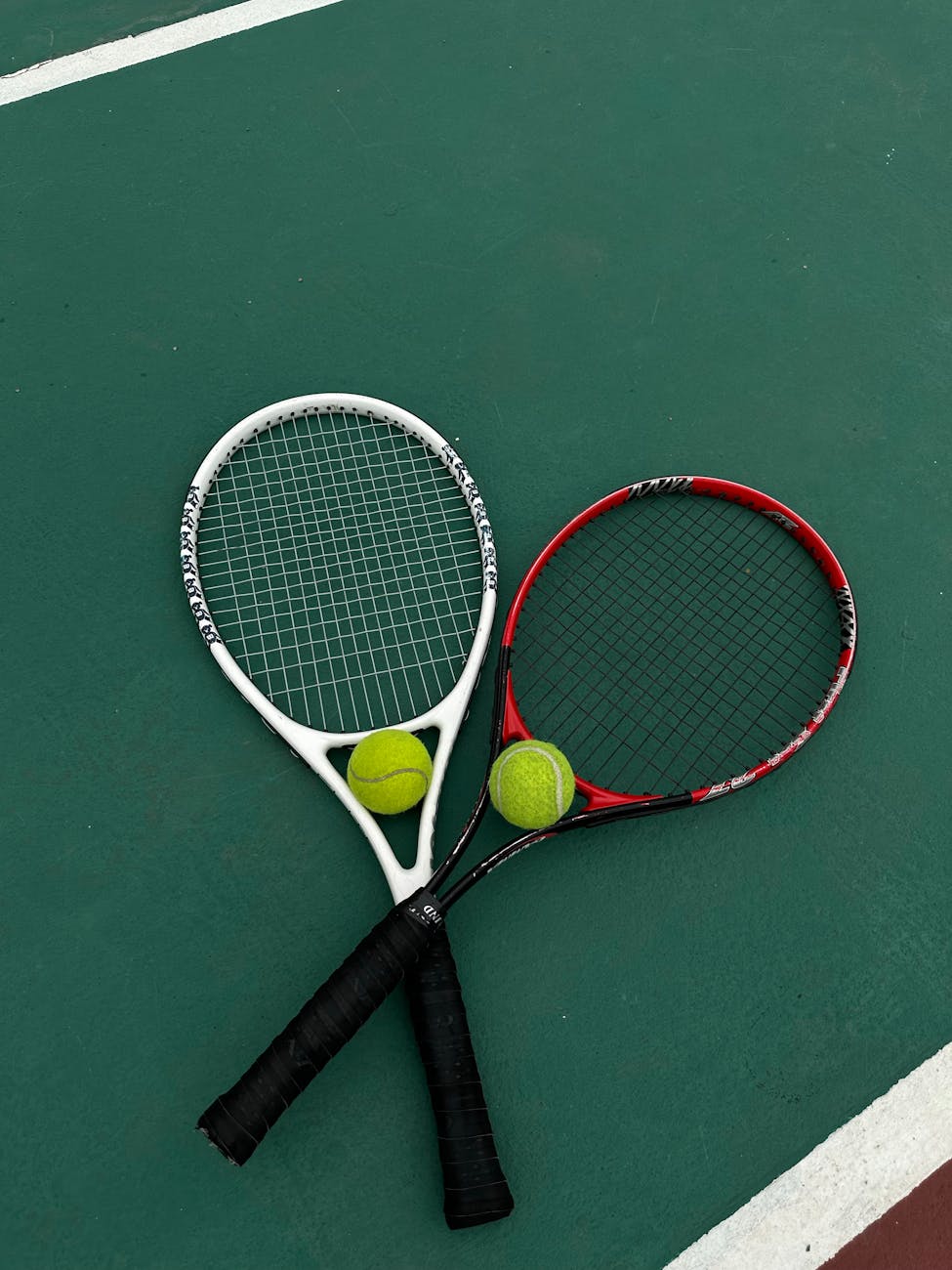
- Loss of Interest: Over time, what once was a passion can become less appealing, especially as new interests emerge during the teenage years.
- Excessive Pressure: The pressure to perform and excel can be overwhelming, sometimes coming from coaches, parents, or even self-imposed expectations.
- Time Management Issues: Balancing schoolwork, sports, and personal life can become too challenging, especially with the academic pressures faced during the teen years.
- Social Aspects: Changes in team dynamics or feeling out of sync with teammates can impact your enjoyment and participation in the sport.
- Physical Concerns: Injuries or the physical demand of the sport can lead to reconsideration of your involvement, particularly if it poses long-term health risks.
Impacts of Quitting a Sport
Deciding to quit a sport can bring about a mix of emotions and consequences. Here's how such a decision might impact your life:
Emotional Impact
Quitting a sport can lead to feelings of sadness, guilt, or relief, depending on your reasons for leaving. There's often a sense of loss associated with giving up a sport that has been a big part of your life.
Social Changes
Sports teams provide a community and a sense of belonging. Leaving this community can affect your social life and may require adjustments as you might need to find new ways to connect with friends or make new ones.
Physical and Health Considerations
Sport is a great way to keep fit. Quitting an active lifestyle may lead to changes in your physical fitness unless replaced by other activities.
Impact on Identity
For many athletes, their sport is a large part of their identity. Leaving this behind can lead to questions about self-image and finding new hobbies or passions that resonate with their current interests.
Strategies for Handling the Decision
Here are some practical strategies to consider if you're thinking about quitting a sport:
Evaluating Your Decision
Before you make any final decisions, take the time to evaluate why you want to quit. Talk to friends, family, or a coach about your feelings to gain different perspectives.
Considering Alternatives
Look for other ways to stay involved. Maybe you could play the sport recreationally, or there might be other roles within the team, like coaching or mentoring younger players.
Making a Gradual Transition
If possible, consider reducing your involvement gradually rather than quitting altogether. This could lessen the emotional impact and help you adjust better.
Exploring New Interests
Quitting one sport provides an opportunity to explore other activities. Try out different hobbies that might pique your interest whether another sport or a completely different type of activity.
Staying Active
Find other ways to stay physically active. Regular exercise is important for both physical and mental health, so it's beneficial to find an alternative that you enjoy.
Seeking Support
Navigating your emotions during this transition can be tough. It might be helpful to speak to a counsellor or psychologist if you are struggling emotionally with your decision.
Conclusion
Quitting a sport is a big decision and not one to be taken lightly. It's important to weigh the pros and cons, understand your reasons, and consider the impact it will have on your life. With the right strategy and support, you can make the transition smoothly and find new passions and interests to pursue. Remember, change is a part of life, and it's okay to move on from things that no longer bring you joy or fulfilment.
How are you feeling?
It is really important that when we need help, we feel able to ask for it. This could be speaking to a parent, a close friend, a teacher or someone else you trust. Sometimes it can be really hard to share our feelings with other people but if we are feeling low or don't know where to turn, sharing with others is really important. Teachers will always take you seriously and listen to your problems in confidence if you approach them for help. Likewise, parents, siblings or friends will help you if you reach out to them.
If you feel like you can't speak to anyone you know, there are people and organisations that can help support you:
- Childline - Call them on 0800 1111 any time of the day or night, every day of the week
- NSPCC - Call them on 0808 800 5000 between 10am and 4pm Monday to Friday or email them on help@NSPCC.org.uk
- The Samaritans – Call them on 116 123 any time of the day or night, every day of the week
- SANE – Call 0300 304 7000 for support (4:30pm - 10:30pm every day)
- Mind – Call 0300 123 3393 (9:00am - 6:00pm Monday to Friday)
*Sometimes we will use real life examples in our articles to aid understanding. When we do, names and ages will be changed.
