

















Let's get started...
Understanding the Equipment Essentials for Various Sports
When you dive into the world of sports, whether you're a beginner or looking to improve your game, one of the first questions that arise is: What equipment do I need? For young athletes, having the right gear isn't just about looking the part; it's about safety, comfort, and optimising performance. Let's explore the essential equipment needed for a variety of popular sports among teenagers in the UK, from football and rugby to swimming and skateboarding.
The Importance of Proper Equipment
Before we delve into the specifics of each sport, it's crucial to understand why choosing the right equipment matters. Proper sporting equipment can:
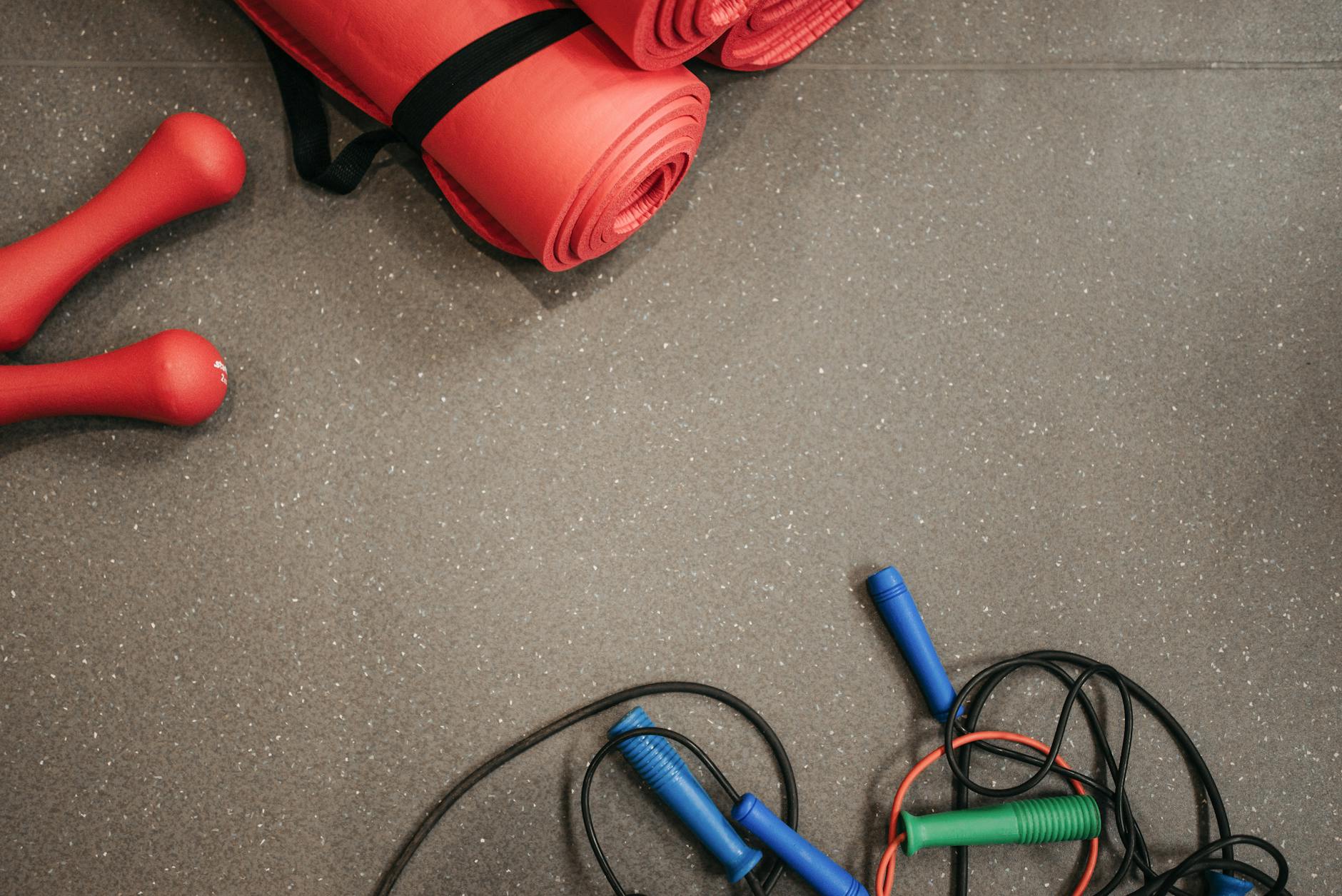
- Enhance Performance: Using gear that's specifically designed for a particular sport can significantly improve your playing technique and overall performance.
- Prevent Injuries: Sports equipment is often designed to protect against common injuries associated with that sport.
- Increase Comfort: Comfort can impact your stamina and ability to perform well, so it's essential to choose equipment that feels good.
For teens, who are still growing and developing, choosing the right equipment is even more critical as it supports both immediate performance and long-term development in the sport.
Equipment Guide for Popular Teen Sports
1. Football (Soccer)
As the most popular sport in the UK, football requires relatively minimal equipment:
- Football cleats: Choose cleats that provide good grip and suit the type of pitch you play on (soft, firm, or artificial turf).
- Shin guards: Essential for protection, shin guards should fit well and be neither too tight nor too loose.
- Appropriate clothing: This includes a jersey, shorts, and socks designed for football. Thermals can be worn underneath for cold weather.
- Football: Make sure to have a quality football appropriate for your age and the level of play.
2. Rugby
Rugby equipment focuses heavily on protection:
- Rugby boots: Similar to football cleats but designed to offer additional ankle support.
- Head guard: Optional but recommended, especially in positions where head impacts are more frequent.
- Mouthguard: Compulsory in most leagues, mouthguards protect against dental injuries.
- Padded clothing: Padding helps protect against bruises and abrasions.
3. Swimming
Swimming requires minimal equipment but choosing the right items is crucial:
- Swimsuit: Look for a suit that reduces drag and fits snugly without restricting movement.
- Goggles: Good quality goggles are essential for protecting your eyes from chlorine and improving underwater visibility.
- Swimming cap: A cap can help streamline your body and manage your hair.
4. Skateboarding
Skateboarding gear is heavily skewed towards safety:
- Skateboard: The type of board you choose (cruiser, longboard, standard) should match your skateboarding style and goals.
- Helmet: A must-have for safety, make sure the helmet fits properly and is specifically designed for skateboarding.
- Protective pads: Knee, elbow, and wrist guards are strongly recommended to protect against falls.
- Durable footwear: Skate shoes designed for grip and durability can substantially impact your control and safety.
Choosing and Maintaining Your Sport Equipment
While getting equipped is one thing, maintaining that equipment is another. Proper care extends the life of the gear and ensures safety throughout its use. For all sport types, ensure that you:
- Clean your gear frequently: Most sports equipment benefits from a gentle wash to remove dirt and sweat that can degrade materials over time.
- check for wear and tear: Regularly inspect your equipment for any damage that might compromise its effectiveness or safety.
- Replace when necessary: Don't wait for equipment to fail during use. If your gear is showing significant signs of wear, replace it.
For teens, the journey into any sport should be exciting and safe. Selecting the right equipment can playa crucial role in your sports experience, enhancing both your enjoyment and your performance on the field, court, or pool. Whether you are just beginning or looking to step up your game, don't underestimate the power of the right equipment. Get geared up, get out there, and have fun!
How are you feeling?
It is really important that when we need help, we feel able to ask for it. This could be speaking to a parent, a close friend, a teacher or someone else you trust. Sometimes it can be really hard to share our feelings with other people but if we are feeling low or don't know where to turn, sharing with others is really important. Teachers will always take you seriously and listen to your problems in confidence if you approach them for help. Likewise, parents, siblings or friends will help you if you reach out to them.
If you feel like you can't speak to anyone you know, there are people and organisations that can help support you:
- Childline - Call them on 0800 1111 any time of the day or night, every day of the week
- NSPCC - Call them on 0808 800 5000 between 10am and 4pm Monday to Friday or email them on help@NSPCC.org.uk
- The Samaritans – Call them on 116 123 any time of the day or night, every day of the week
- SANE – Call 0300 304 7000 for support (4:30pm - 10:30pm every day)
- Mind – Call 0300 123 3393 (9:00am - 6:00pm Monday to Friday)
*Sometimes we will use real life examples in our articles to aid understanding. When we do, names and ages will be changed.
