

















Let's get started...
Dreaming about scoring that winning goal in the FA Cup final or smashing a Grand Slam winning serve at Wimbledon is pretty cool, right? What about actually living that dream? For many young people, sports is not just a hobby; it's a potential career. But how do you turn that lofty dream into an attainable goal? Let's talk about making a career out of sports.
Understanding the Sports Industry
The sports industry isn't just about the athletes we see on TV. It's vast and includes roles in coaching, sports science, management, media, and therapy, among others. However, it's crucial to acknowledge that while many aspire to make it big, only a small percentage of athletes become professional superstars like Cristiano Ronaldo or Serena Williams.
To put it in perspective, consider that in the UK, the number of professional football players is only a fraction of the players who participate at the youth level. Despite these odds, there are numerous success stories of individuals who have carved out rewarding careers in various capacities within sports.
Realistic Expectations
While you should always strive for the top, being realistic about the outcomes and having a plan B can help manage expectations and keep you grounded. Many athletes also pursue education and vocational qualifications alongside their sports training.
Navigating a Career in Sports
So, what do you need to get there, beyond just being good at sports?
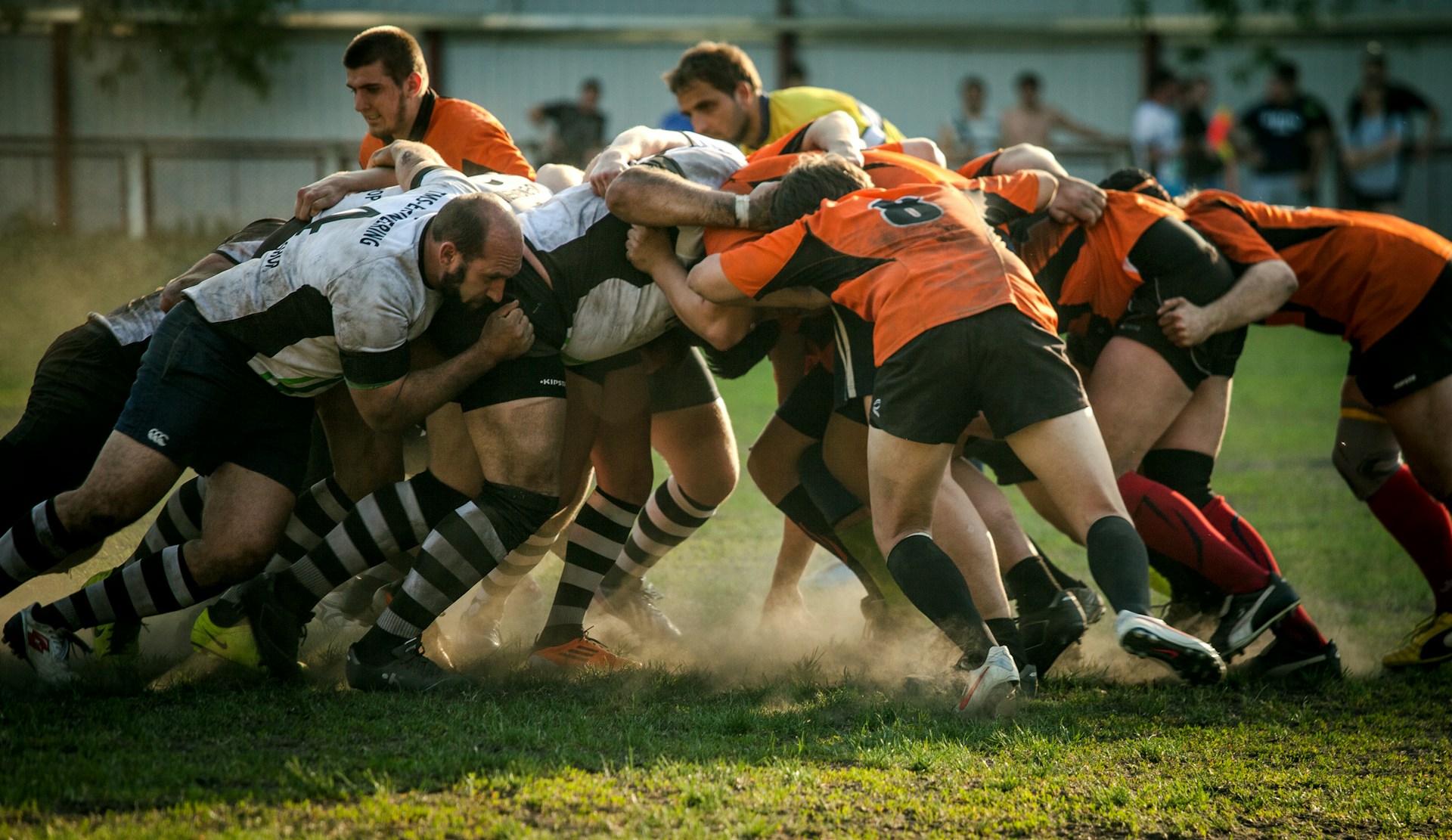
- Physical Training and Talent: Natural talent is a great start, but consistent practise and physical conditioning are crucial.
- Education and Skills: Understanding your sport deeply, from the rules to tactics and psychology, is essential. Also, qualifications in related fields can be an asset.
- Mental Toughness: Sports can be as mentally demanding as they are physically. Resilience, discipline, and the ability to cope with failure and pressure are vital traits.
- Networking and Exposure: Getting noticed can be as important as how well you play. Participating in tournaments, joining clubs, and maintaining relationships within the sports community are key actions.
It's a challenging journey, but with dedication, it's certainly possible to build a career in sports. Here are some practical strategies:
Education and Training
Firstly, take your training seriously. Whether it's attending scheduled practices or spending extra hours at the gym, commitment is non-negotiable. Pursue educational opportunities; look into sports science degrees, coaching certifications, or courses in sports management, depending on your interests.
Finding a Mentor
Having a mentor who has tread the path you aspire to can provide invaluable guidance. This could be a coach, a senior player, or any professional within the industry who can offer advice and insights based on real experience.
Developing a Personal Brand
In a world dominated by social media, creating a personal brand can be a massive boon. Platforms like Instagram and Twitter allow you to showcase your skills, share your sports journey, connect with fans, and attract potential sponsors or professional teams.
Beyond Playing: Other Opportunities in Sports
If becoming a professional athlete doesn't work out, that doesn't end your journey in the world of sports. Many other roles can keep you close to the action while offering a stable career.
- Sports Coaching: Teaching and guiding aspiring athletes can be incredibly rewarding.
- Sports Journalism: Writing about sports or broadcasting games lets you share your passion with others.
- Sports Medicine and Therapy: Helping athletes maintain their peak physical condition or recover from injuries is crucial in sports.
- Sports Management and Marketing: Behind every event or athlete, there's a team managing operations, finance, and promotions.
Conclusion
Making a career out of sports requires more than just talent. It's about hard work, determination, smart planning, and sometimes a dose of good timing and luck. Whether on the field or off, there are myriad ways to make a living in sports, each requiring a different set of skills and passion. So, keep playing, keep dreaming, and remember to plan and prepare as much as you play.
How are you feeling?
It is really important that when we need help, we feel able to ask for it. This could be speaking to a parent, a close friend, a teacher or someone else you trust. Sometimes it can be really hard to share our feelings with other people but if we are feeling low or don't know where to turn, sharing with others is really important. Teachers will always take you seriously and listen to your problems in confidence if you approach them for help. Likewise, parents, siblings or friends will help you if you reach out to them.
If you feel like you can't speak to anyone you know, there are people and organisations that can help support you:
- Childline - Call them on 0800 1111 any time of the day or night, every day of the week
- NSPCC - Call them on 0808 800 5000 between 10am and 4pm Monday to Friday or email them on help@NSPCC.org.uk
- The Samaritans – Call them on 116 123 any time of the day or night, every day of the week
- SANE – Call 0300 304 7000 for support (4:30pm - 10:30pm every day)
- Mind – Call 0300 123 3393 (9:00am - 6:00pm Monday to Friday)
*Sometimes we will use real life examples in our articles to aid understanding. When we do, names and ages will be changed.
