
Let's get started...
Understanding menstrual products is crucial for all teenagers, regardless of gender, as it can enhance your knowledge and sensitivity towards an experience that affects half of the population at some point in their lives. If you menstruate, this knowledge is even more critical, as choosing the right products can significantly impact your comfort, health, and lifestyle.
Types of Menstrual Products
There are several types of menstrual products available today, each with its own benefits and drawbacks:
1. Sanitary Pads
Sanitary pads, or napkins, are the most widely used menstrual product. They are adhesive pads that stick to the underwear. Pads come in various sizes, shapes, and absorbencies to accommodate different flow levels and body types. They are disposable, making them convenient for use while out and about.
2. Tampons
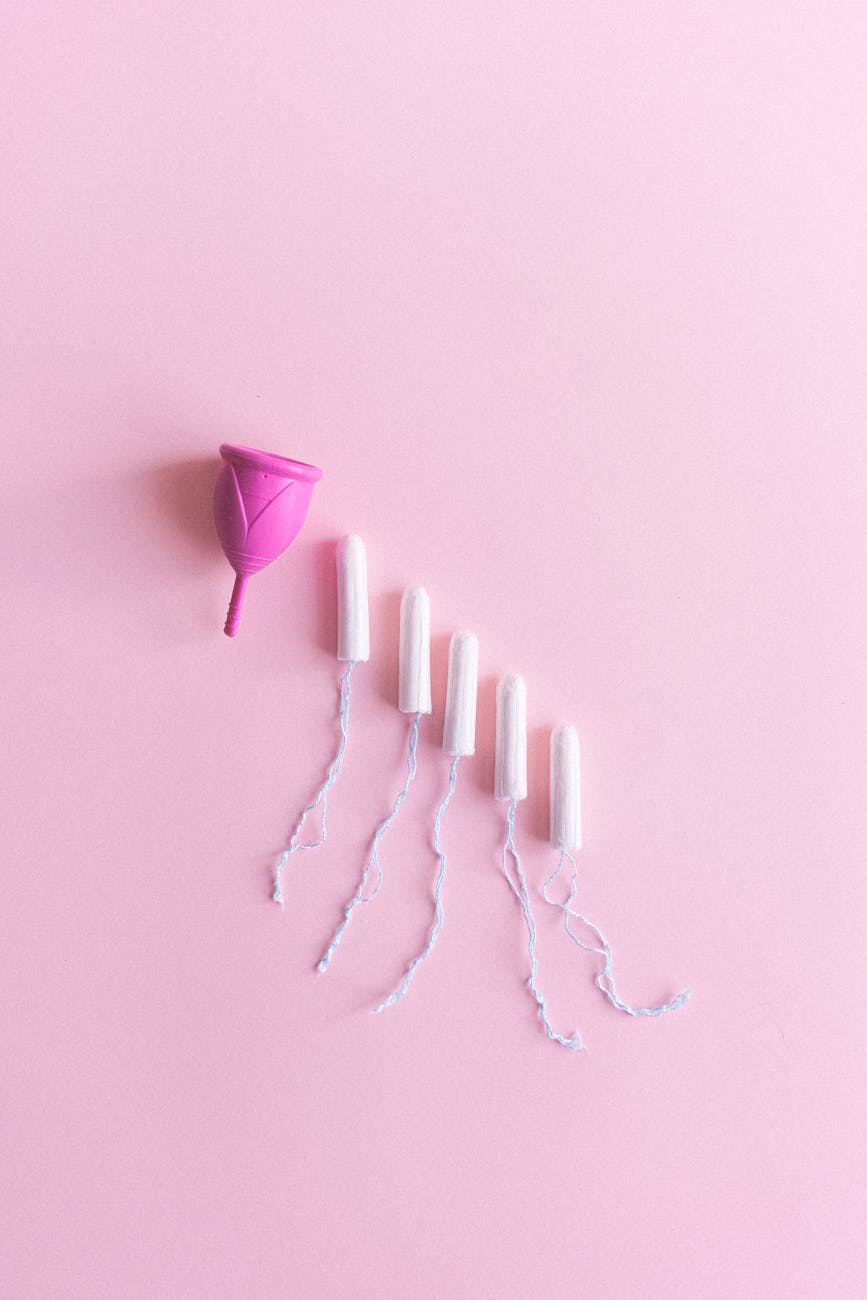
Tampons are inserted into the vagina to absorb menstrual flow directly from the source. They come in different sizes and absorbencies and can be made from cotton, rayon, or a blend of both. Tampons allow for more physical freedom and are less noticeable than pads, making them popular among athletes and those who prefer a more discreet option. However, they must be changed regularly to reduce the risk of Toxic Shock Syndrome (TSS), a rare but serious medical condition.
3. Menstrual Cups
Menstrual cups are small, flexible cups made of silicone or rubber that are inserted into the vagina to collect menstrual blood. They're reusable, eco-friendly, and cost-effective, as one cup can last up to ten years with proper care. They also hold more blood than a tampon, allowing for longer wear of up to 12 hours, depending on your flow.
4. Menstrual Discs
Menstrual discs are similar to menstrual cups in that they collect rather than absorb menstrual flow. They are inserted into the vagina and sit at the base of the cervix. Discs are generally disposable, although reusable options are also available. Like cups, they can remain in place for up to 12 hours.
5. Period Underwear
Period underwear is designed to be worn without any other menstrual product, though some people use them as a backup for additional security against leaks. These panties have layers of absorbent material to contain menstrual blood, are washable, and reusable. They're an excellent option for those seeking convenience and eco-friendliness.
6. Reusable Cloth Pads
Like period underwear, reusable cloth pads are an environmentally friendly alternative to disposable pads. They are made from absorbent materials like cotton and can be washed and reused multiple times.
Choosing the Right Product for You
Selecting the right menstrual product can depend on several factors:
- Flow: The amount of menstrual blood you lose can affect which product is most suitable. For example, higher absorbency products are better for heavy flow days.
- Lifestyle: If you are active or participate in sports, you might prefer a tampon or a menstrual cup to a pad.
- Comfort: Some find tampons uncomfortable, opting instead for pads or period underwear.
- Environmental impact: If sustainability is important to you, reusable products like menstrual cups, cloth pads, and period underwear are worth considering.
- Durability: How often you are able to change your menstrual product. For instance, if you have a long school day without many opportunities to change, a menstrual cup might be more practical than a tampon or pad.
Managing Menstrual Health
Keeping track of your menstrual cycle can help you better manage and anticipate your needs. Apps like Clue or Flo can help you monitor your cycle and symptoms. Staying hydrated, maintaining a balanced diet, and regular exercise can also alleviate some menstrual symptoms like cramps and fatigue.
Financial Considerations
The cost of menstrual products can add up over time, making budgeting an essential skill. Reusable options often have a higher upfront cost but save money in the long run. If financial constraints are a concern, look into local resources such as schools, community centres, or non-profits that may offer menstrual products for free or at a reduced cost.
Conclusion
Menstrual health is a vital part of life for many teens. Finding the right product can make a significant difference in comfort and confidence during your menstrual cycle. Experimenting with different products safely and considering your lifestyle needs will help you manage your period more effectively.
It's also crucial to be aware of the symptoms of complications like TSS and seek medical help if you experience sudden fever, vomiting, or diarrhoea during your period. By understanding all the options and using the right products for your needs, you can demystify and tackle your menstrual cycle with confidence.
How are you feeling?
It is really important that when we need help, we feel able to ask for it. This could be speaking to a parent, a close friend, a teacher or someone else you trust. Sometimes it can be really hard to share our feelings with other people but if we are feeling low or don't know where to turn, sharing with others is really important. Teachers will always take you seriously and listen to your problems in confidence if you approach them for help. Likewise, parents, siblings or friends will help you if you reach out to them.
If you feel like you can't speak to anyone you know, there are people and organisations that can help support you:
- Childline - Call them on 0800 1111 any time of the day or night, every day of the week
- NSPCC - Call them on 0808 800 5000 between 10am and 4pm Monday to Friday or email them on help@NSPCC.org.uk
- The Samaritans – Call them on 116 123 any time of the day or night, every day of the week
- SANE – Call 0300 304 7000 for support (4:30pm - 10:30pm every day)
- Mind – Call 0300 123 3393 (9:00am - 6:00pm Monday to Friday)
*Sometimes we will use real life examples in our articles to aid understanding. When we do, names and ages will be changed.