













Let's get started...
Understanding Menstruation: A Comprehensive Guide
Menstruation is a natural biological process that is an integral part of a woman's reproductive cycle. But what exactly is it, and why does it happen? Simply put, menstruation, also commonly referred to as a period, is the monthly shedding of the lining of the uterus (endometrium). This happens when pregnancy does not occur, leading the body to eliminate the thickened lining through vaginal bleeding.
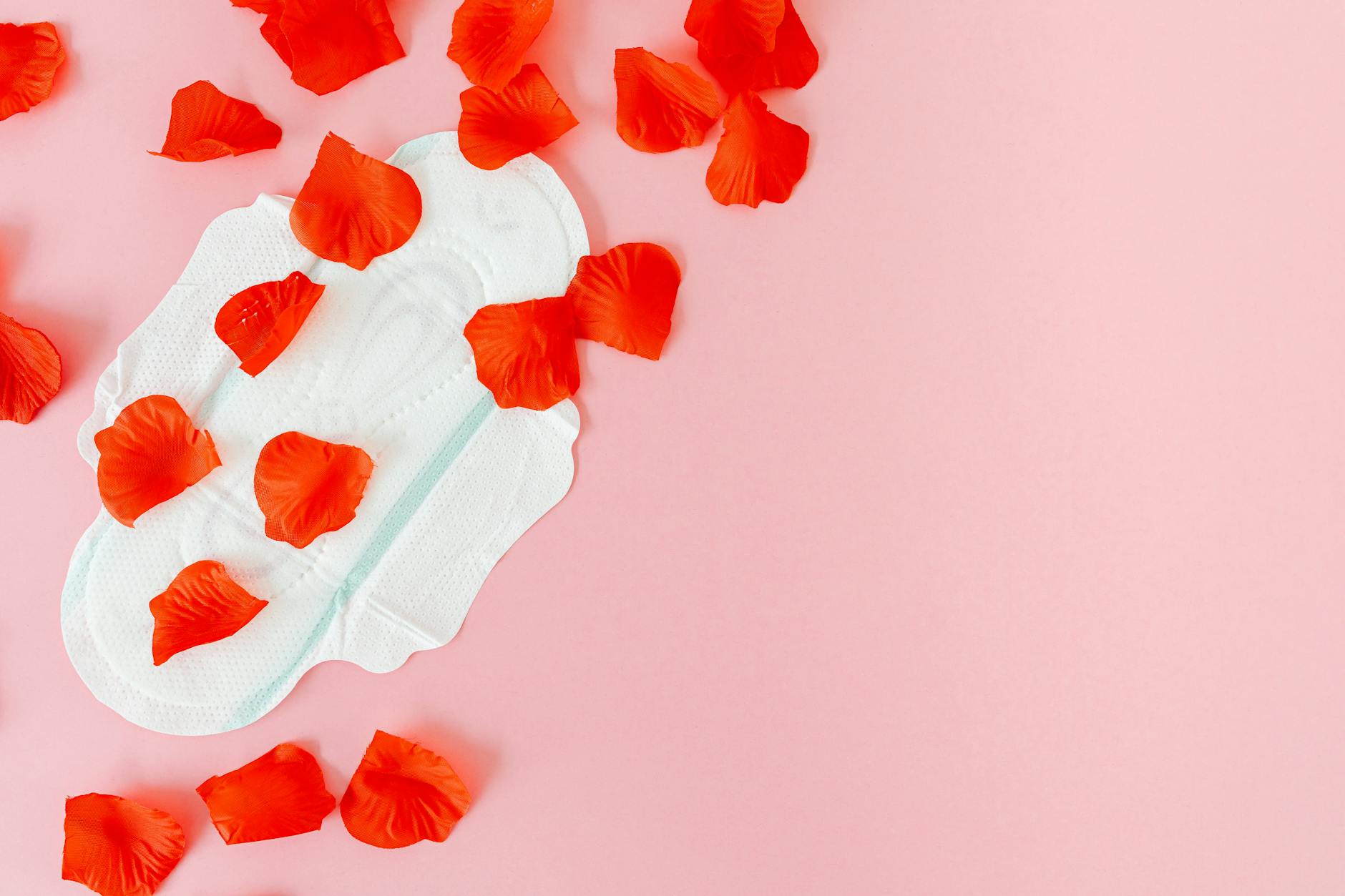
The Menstrual Cycle: What's Happening Inside?
The average menstrual cycle lasts about 28 days, though it can vary widely between individuals. The cycle is divided into several phases, starting with menstruation. Immediately following this phase, the body gears up for ovulation, where hormones trigger one of the ovaries to release an egg. This phase is primarily dominated by oestrogen. If the egg isn't fertilised, hormone levels including progesterone and oestrogen will drop, signalling the body to begin menstruation, and the cycle begins again.
The Onset of Menstruation: What to Expect
Menstruation typically begins between the ages of 12 and 15, a phase of life known as puberty. However, it's not unusual for periods to start earlier or later. The first menstrual cycle, called menarche, can be disorienting and even alarming if you're not well-informed about what is happening to your body. The basics to look out for are bleeding from the vagina, which can last from 3 to 7 days, along with other potential symptoms like cramps, mood swings, and fatigue.
The Impact of Menstruation on Daily Life
For many teenagers, managing menstruation can be a challenge beyond just physiological changes. It includes negotiating with emotional fluctuations and handling the practical aspects, such as choosing menstrual products like pads, tampons, menstrual cups or period pants. The process often brings anxieties, especially about leaking through clothes, which can be particularly stressful during school hours or extracurricular activities.
Strategies to Manage Menstruation Effectively
1. Choosing the Right Menstrual Products
There is a variety of menstrual products available today. The key is to choose one that suits your lifestyle and comfort. Pads and liners are great for beginners and offer external protection without the need to insert anything into the vagina. Tampons and menstrual cups are good for those who are more active and need protection that moves with them. It's important to change these products regularly, approximately every 4-6 hours, to maintain hygiene and prevent infections. Period pants are also a great option.
2. Managing Pain and Discomfort
Menstrual cramps are a common symptom that can be debilitating for some. Over-the-counter pain relievers like ibuprofen and paracetamol can be effective. Additionally, home remedies like heat pads, warm baths, or dietary supplements such as magnesium and omega-3 fatty acids can alleviate pain. Regular physical activity and yoga have also proven beneficial in managing menstrual cramps and bloating.
3. Coping with Emotional and Psychological Changes
The hormonal shifts during your period can lead to mood swings, irritability, and even depression in some cases. Recognising these emotional changes is crucial. Effective strategies to manage these symptoms include maintaining a balanced diet, getting enough sleep, and engaging in activities you enjoy. It might also help to keep a mood diary, which can assist in identifying patterns or triggers in emotional fluctuations.
4. Education and Open Conversations
Understanding what menstruation is and what to expect can significantly reduce anxiety. Education plays a key role in demystifying the process and making it a normal part of life rather than a taboo subject. Open conversations with parents, friends, carers, teachers, or healthcare providers about menstruation can also provide support and practical advice.
Conclusion
Menstruation, while a very natural part of a woman's life, can seem daunting, especially at a younger age. Knowing what it entails and how to effectively manage it can greatly ease the experience and allow young individuals to continue with their daily activities uninterrupted. Remember, menstruation is nothing to be ashamed of and it is a vital part of human biology.
How are you feeling?
It is really important that when we need help, we feel able to ask for it. This could be speaking to a parent, a close friend, a teacher or someone else you trust. Sometimes it can be really hard to share our feelings with other people but if we are feeling low or don't know where to turn, sharing with others is really important. Teachers will always take you seriously and listen to your problems in confidence if you approach them for help. Likewise, parents, siblings or friends will help you if you reach out to them.
If you feel like you can't speak to anyone you know, there are people and organisations that can help support you:
- Childline - Call them on 0800 1111 any time of the day or night, every day of the week
- NSPCC - Call them on 0808 800 5000 between 10am and 4pm Monday to Friday or email them on help@NSPCC.org.uk
- The Samaritans – Call them on 116 123 any time of the day or night, every day of the week
- SANE – Call 0300 304 7000 for support (4:30pm - 10:30pm every day)
- Mind – Call 0300 123 3393 (9:00am - 6:00pm Monday to Friday)
*Sometimes we will use real life examples in our articles to aid understanding. When we do, names and ages will be changed.