













Let's get started...
Understanding Irregular Periods and What They Mean for You
Dealing with the onset of menstruation is a significant milestone in any teenager's life. It marks a crucial step in the journey of puberty and embodies the transition into womanhood. For many young individuals, menstrual cycles can be a source of anxiety particularly when they deviate from what is often taught as 'normal'. If you're experiencing irregular periods, you're certainly not alone. Many adolescents find that their menstrual cycle doesn't always follow a predictable pattern.
What Does It Mean to Have an Irregular Period?
Typically, a regular menstrual cycle ranges from 21 to 35 days, counting from the first day of one period to the first day of the next. Irregular periods can manifest in different ways: you might get your period more often than every 21 days, or you may go more than 35 days in between periods. Some months, your period might be heavy and last longer than a week, while other times it could be light and short.
During adolescence, it's common for your body to take some time to find It's rhythm. Hormonal fluctuations that occur in the teenage years are often the culprit behind irregular periods. However, irregularities can also be the body's way of signalling underlying health issues.
Causes of Irregular Periods in Teenagers
Several factors can contribute to irregular menstrual cycles:
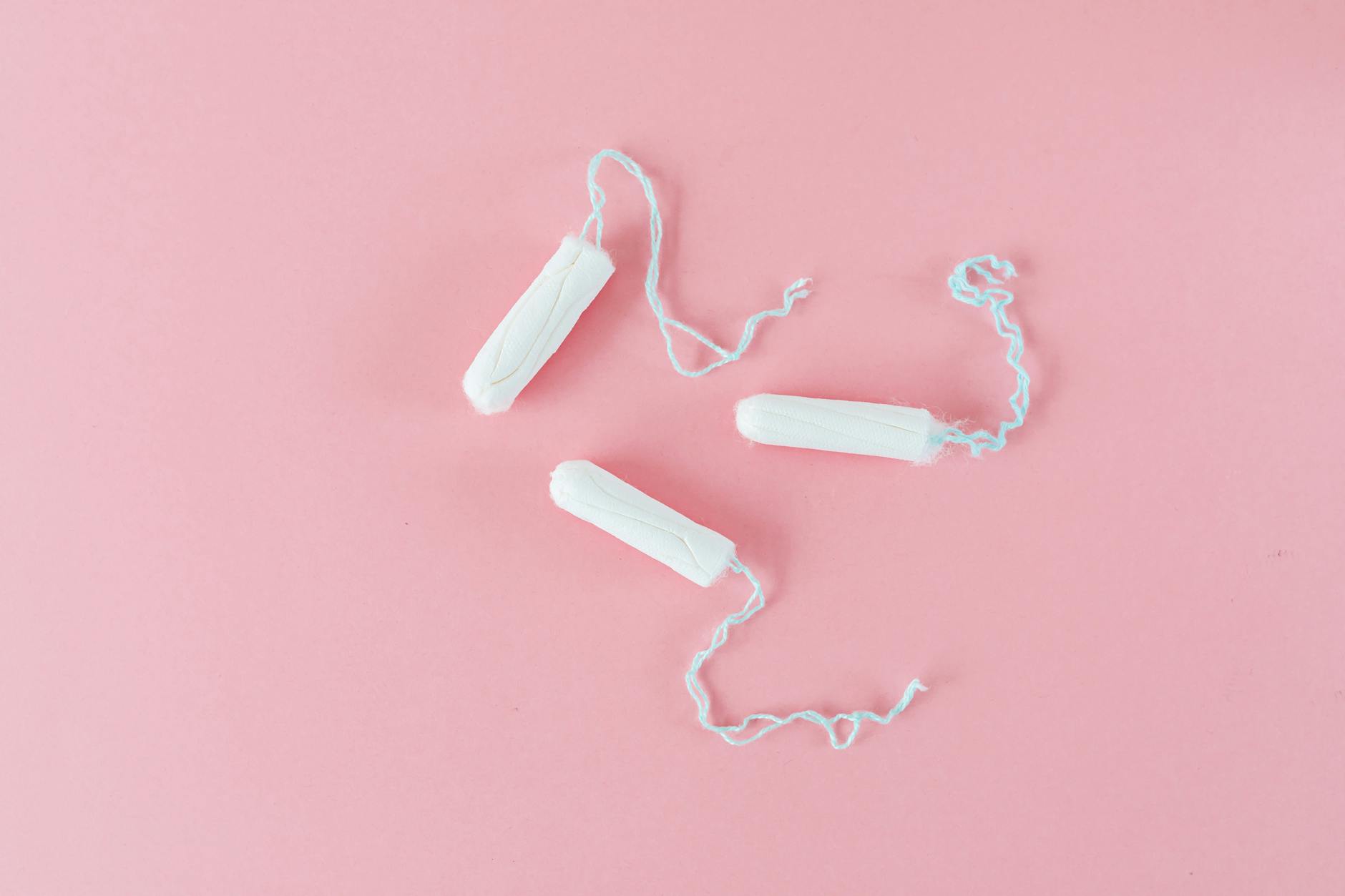
- Hormonal Imbalance: The hormones oestrogen and progesterone regulate your menstrual cycle. Any imbalance can affect how and when you menstruate.
- Stress: Emotional or physical stress can disrupt your body's hormone levels, leading to missed or irregular periods.
- Weight Fluctuations: Significant weight gain or loss can impact your menstrual cycle because body fat influences hormone production.
- Excessive Exercise: While being active is important for overall health, too much exercise can decrease the hormones necessary for menstruation.
- Medical Conditions: Certain conditions like polycystic ovary syndrome (PCOS), thyroid disorders, or issues with the reproductive organs can cause irregularities.
Impact on A Teenager's Life
Beyond the physical discomfort, irregular periods can also have emotional and psychological effects on teenagers. The uncertainty of not knowing when your period might start can be stressful and embarrassing, particularly during activities like sports, sleepovers, or school days. Moreover, you might feel isolated or different from your peers if your experiences with menstruation seem out of the norm.
Practical Tips for Managing Irregular Periods
While it might seem daunting, there are strategies that can help manage irregular periods and reduce any negative impacts they may have:
- Track Your Cycle: Keeping a diary of your periods can help identify any patterns or triggers that affect your cycle. There are also many apps available that can help keep track of your menstrual health.
- Maintain a Healthy Lifestyle: Regular exercise, a balanced diet, and adequate sleep can help regulate your hormones and promote a regular menstrual cycle.
- Manage Stress: Engage in relaxation techniques such as yoga, meditation, or deep-breathing exercises to help manage stress.
- Consult a Healthcare Provider: If irregular periods persist or you experience other symptoms like excessive pain or heavy bleeding, it's important to seek medical advice. A healthcare professional can provide insights and possibly treatments to help manage your cycle.
When to Seek Professional Help?
It's advisable to see a doctor if:
- Your periods suddenly stop for more than 90 days and you're not pregnant.
- Your periods become erratic after having been regular.
- You bleed for more than seven days.
- You experience more pain during your periods than usual.
- You bleed more heavily than usual or use more than one pad or tampon every one to two hours.
Visit your GP or a gynaecologist who can diagnose underlying issues that may be affecting your menstrual cycle. They might recommend treatments such as hormonal contraceptives which can help regulate your periods or further tests to investigate other potential concerns.
Conclusion
Experiencing irregular periods during your teenage years can be unsettling, but it's a common issue many face. By staying informed, maintaining a healthy lifestyle, and monitoring your health, you can manage your menstrual health effectively. Remember, if your irregular periods are causing considerable discomfort or worry, never hesitate to consult a healthcare professional for guidance and support.
How are you feeling?
It is really important that when we need help, we feel able to ask for it. This could be speaking to a parent, a close friend, a teacher or someone else you trust. Sometimes it can be really hard to share our feelings with other people but if we are feeling low or don't know where to turn, sharing with others is really important. Teachers will always take you seriously and listen to your problems in confidence if you approach them for help. Likewise, parents, siblings or friends will help you if you reach out to them.
If you feel like you can't speak to anyone you know, there are people and organisations that can help support you:
- Childline - Call them on 0800 1111 any time of the day or night, every day of the week
- NSPCC - Call them on 0808 800 5000 between 10am and 4pm Monday to Friday or email them on help@NSPCC.org.uk
- The Samaritans – Call them on 116 123 any time of the day or night, every day of the week
- SANE – Call 0300 304 7000 for support (4:30pm - 10:30pm every day)
- Mind – Call 0300 123 3393 (9:00am - 6:00pm Monday to Friday)
*Sometimes we will use real life examples in our articles to aid understanding. When we do, names and ages will be changed.