













Let's get started...
Understanding Menstruation: When Does It Start?
Menstruation, commonly referred to as getting your period, is a natural part of growing up. It might feel like a mystery wrapped in whispers, especially if you're around 13-17 years old and wondering when you might start. The age girls begin menstruating can vary wildly, but it mostly depends on individual development and genetics.
What is Menstruation?
Before diving into when menstruation starts, it's helpful to understand what it is. Menstruation is the process during which the uterus sheds It's lining. This happens if a fertilised egg doesn't implant in the uterus, which would start a pregnancy. The shedding of this lining appears as blood and tissue exiting the body through the vagina, which usually lasts between three to seven days.
Typical Age Range for Starting Your Period
The average age for girls to get their first period is around 12 years old, but it's perfectly normal to start anywhere between 8 and 15 years old. Specifically, many girls begin to menstruate about two years after they notice their breasts starting to develop, which is one of the first signs of puberty.
Factors That Influence When You'll Start Menstruating
Different factors can influence when you'll start your periods, ranging from genetics to your physical health. Here's a closer look:
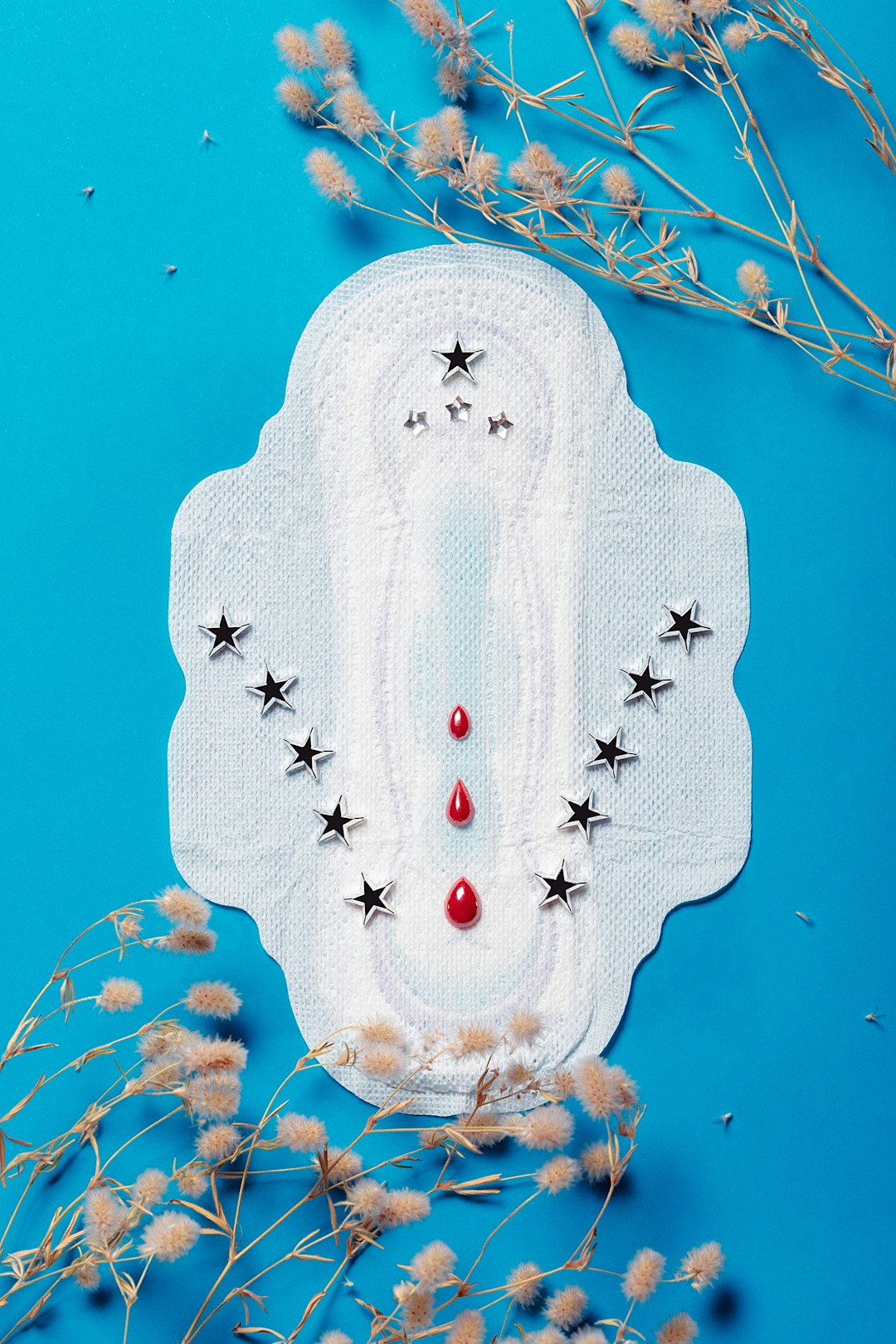
- Genetics: If your mother, sisters, or other close female relatives started their periods early, there's a chance you might too. It's often similar within families.
- Body Mass: Body fat plays a significant role in when you start menstruating. Leptin, a hormone associated with fat cells, can signal the body to start puberty. This means that girls with higher amounts of body fat might start puberty and their periods sooner than girls with lower body fat.
- Nutrition and Overall Health: Good nutrition and health are essential for normal development. Poor diet, eating disorders like anorexia or bulimia, or certain chronic diseases can delay the onset of menstruation.
- Physical Activity: Girls who are heavily involved in sports or physical activities tend to have later onset of menstruation compared to their less active peers.
Preparing for Your First Period
It's useful to be prepared for your first period, even if it might still be a few years off. Here's how:
- Talk About It: Open conversations with your parents, an older sibling, or a trusted adult about periods can help you learn what to expect and remove any uncertainties or fears.
- Gather Supplies: Keep a small kit with pads or tampons, and perhaps a change of underwear, in your school bag or locker. You never know when it might start!
- Learn the Signs: Pay attention to signs that your period might be coming soon, like cramping, bloating, mood swings, or spotting.
Dealing With Your Period at School
Having a period at school can seem daunting, but managing it is entirely possible with a bit of planning:
- Know Your Options: Explore different menstrual products such as pads, tampons, or menstrual cups and find what works best for you.
- Talk to a Trusted Adult: If you're at school and need supplies or feel unwell, talk to a teacher or the school nurse. They are there to help.
- Track Your Cycle: Use a calendar or a period-tracking app to keep track of your cycle. This can help you anticipate your next period and be better prepared.
Dealing with Emotions and Physical Changes
Menstruation can also bring a whirlwind of emotional and physical changes. Hormone fluctuations can cause mood swings, irritability, and even depression. Physically, you may experience cramps, tiredness, and headaches.
Stay active, maintain a balanced diet, and get plenty of rest to help manage these symptoms. Over-the-counter pain relievers like ibuprofen can help with cramps, but always consult with a parent or guardian before taking medication.
Beyond the physical and emotional, periods are a fact of life and a natural part of being female. Embrace it as a sign of maturation and your body's capability of amazing things.
How are you feeling?
It is really important that when we need help, we feel able to ask for it. This could be speaking to a parent, a close friend, a teacher or someone else you trust. Sometimes it can be really hard to share our feelings with other people but if we are feeling low or don't know where to turn, sharing with others is really important. Teachers will always take you seriously and listen to your problems in confidence if you approach them for help. Likewise, parents, siblings or friends will help you if you reach out to them.
If you feel like you can't speak to anyone you know, there are people and organisations that can help support you:
- Childline - Call them on 0800 1111 any time of the day or night, every day of the week
- NSPCC - Call them on 0808 800 5000 between 10am and 4pm Monday to Friday or email them on help@NSPCC.org.uk
- The Samaritans – Call them on 116 123 any time of the day or night, every day of the week
- SANE – Call 0300 304 7000 for support (4:30pm - 10:30pm every day)
- Mind – Call 0300 123 3393 (9:00am - 6:00pm Monday to Friday)
*Sometimes we will use real life examples in our articles to aid understanding. When we do, names and ages will be changed.