













Let's get started...
Understanding the Connection Between Puberty and Sleep
Puberty is a milestone every teenager crosses. It marks a critical transition from childhood to adolescence, triggering physical, psychological, and emotional changes. One aspect of our life that puberty significantly impacts is our sleep. Understanding how puberty affects sleep is crucial because sleep plays a vital role in supporting the developmental changes that teenagers experience during this period.
The Science Behind Sleep Changes During Puberty
During puberty, the body undergoes several hormonal changes which influence a teen's internal clock, or circadian rhythm. This internal clock regulates the feeling of sleepiness and wakefulness over a 24-hour period. One of the main hormonal changes involves the increased production of the hormone melatonin, which helps regulate sleep. Interestingly, the timing of melatonin release shifts later at night during puberty. As a result, most teens find themselves unable to feel sleepy until later in the evening.
This shift is known as sleep phase delay. Essentially, even if a teen tries to go to bed early, their brain might still be wired and alert, making it difficult for them to fall asleep. This shift leads to teens staying up later, yet, because of early school start times, they still need to wake up early, leading to a reduction in the total hours of sleep they manage to get.
The Impact of Sleep Deprivation on Teenagers
Sleep isn't just "downtime." It's a vital period when the body and brain carry out essential maintenance. For teenagers, this includes processes critical for growth, emotional regulation, brain development, and cognitive functioning. Lack of sleep can therefore have several repercussions:
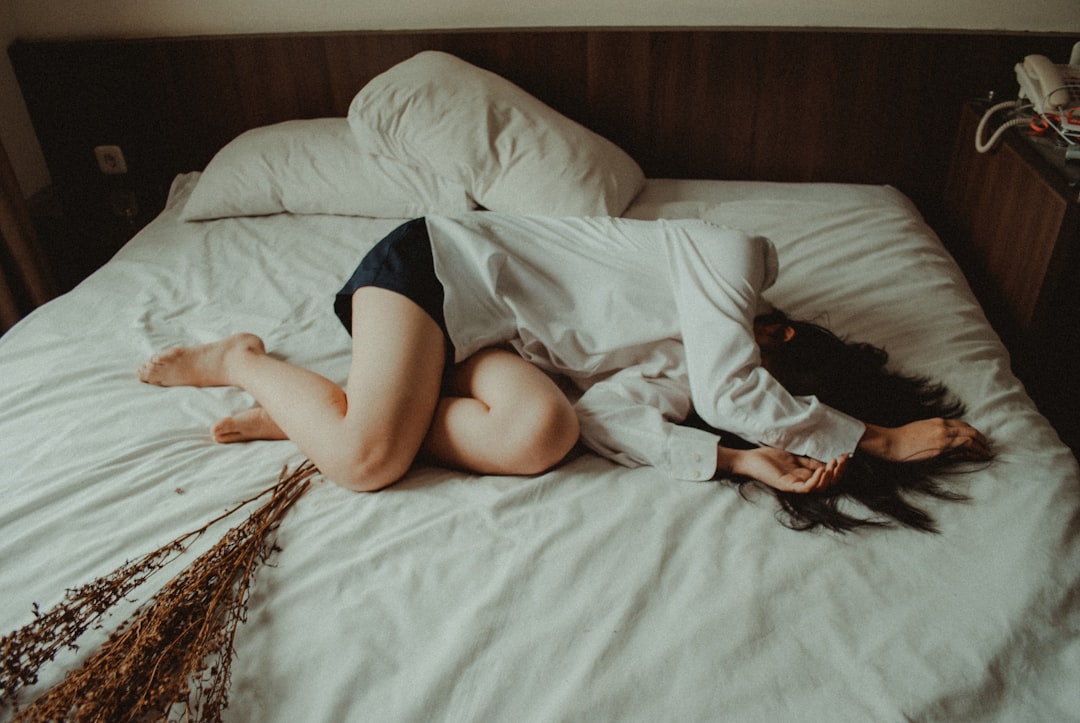
- Academic Performance: Sleep is crucial for memory consolidation. Without adequate sleep, teens might find it harder to concentrate in school and retain information, impacting their academic performance.
- Mood: Sleep deprivation can make teenagers irritable, prone to mood swings and exacerbate feelings of depression and anxiety.
- Physical Health: Chronic sleep deprivation has been linked to various health issues including obesity, diabetes, and weakened immune function.
- Behaviour and Decision-Making: Tired teenagers are more likely to take risks, have impaired judgment, and might engage in unhealthy behaviours like drug use or unhealthy eating habits.
Strategies to Manage Sleep During Puberty
Given the critical nature of sleep for a developing teenager, finding ways to manage these changes and maintain healthy sleep patterns is important. Here are some practical strategies:
1. Establishing a Consistent Sleep Schedule
Try to go to bed at the same time every night and wake up at the same time every morning, even on weekends. This regularity can help train your body clock to a routine, making it easier to fall asleep and wake up naturally.
2. Creating a Pre-Sleep Routine
Develop a relaxing routine before bed to help signal to your brain that it's time to wind down. This could include reading a book, listening to calm music, or doing some gentle yoga or stretching.
3. Optimising Your Sleep Environment
Keep your bedroom cool, quiet, and dark. Invest in a good quality mattress and pillows to support a comfortable sleep. Try to keep electronic devices out of the bedroom, as the blue light from screens can interfere with melatonin production and make it harder to sleep.
4. Watching Your Diet
Avoid caffeine and heavy meals close to bedtime. Both can interfere with your ability to fall asleep. Opt instead for a light snack if you're hungry, like a banana or a warm glass of milk, which can be soothing.
5. Managing Stress
Stress can significantly impact your ability to sleep. Techniques such as deep breathing, meditation, or journaling can help manage stress and clear your mind before bed.
6. Getting the Right Light
Exposure to natural light during the day can help regulate your sleep patterns. Try to get outside in natural sunlight for at least 30 minutes a day. Conversely, reduce exposure to bright lights in the evening to help encourage a natural sleep-wake cycle.
Conclusion
The interplay between puberty and sleep is a complex but crucially important area for teenagers and their guardians to understand. By implementing practical strategies to manage sleep and seeking professional advice where necessary, you can significantly mitigate the adverse effects of sleep changes during puberty and support a healthier, more balanced lifestyle as you navigate these transformative years.
How are you feeling?
It is really important that when we need help, we feel able to ask for it. This could be speaking to a parent, a close friend, a teacher or someone else you trust. Sometimes it can be really hard to share our feelings with other people but if we are feeling low or don't know where to turn, sharing with others is really important. Teachers will always take you seriously and listen to your problems in confidence if you approach them for help. Likewise, parents, siblings or friends will help you if you reach out to them.
If you feel like you can't speak to anyone you know, there are people and organisations that can help support you:
- Childline - Call them on 0800 1111 any time of the day or night, every day of the week
- NSPCC - Call them on 0808 800 5000 between 10am and 4pm Monday to Friday or email them on help@NSPCC.org.uk
- The Samaritans – Call them on 116 123 any time of the day or night, every day of the week
- SANE – Call 0300 304 7000 for support (4:30pm - 10:30pm every day)
- Mind – Call 0300 123 3393 (9:00am - 6:00pm Monday to Friday)
*Sometimes we will use real life examples in our articles to aid understanding. When we do, names and ages will be changed.