













Let's get started...
Understanding the Importance of Tracking Your Period
Tracking your period isn't just about marking down days on a calendar. It's a critical practise that can provide significant insights into your health, lifestyle, and fertility. For many young women, menstruation begins between the ages of 12 and 15, but it can sometimes start earlier or later. Each person's menstrual cycle can vary in length, with the average cycle lasting about 28 days, although anything from 21 to 35 days is considered normal in adults, and 21 to 45 days in young teens.
Knowing the ins and outs of your menstrual cycle can help you understand your body better. It tells you about your general health, potential hormonal imbalances, and helps you identify what's normal for your body and what's not. Additionally, tracking your period can aid in managing premenstrual symptoms, planning events, understanding your fertility patterns, and in discussions with healthcare professionals.
How Does the Menstrual Cycle Work?
The menstrual cycle is divided into phases, starting from the first day of bleeding (day one of your period) to the day before the next period starts. The main phases of the cycle include the menstrual phase, the follicular phase, ovulation, and the luteal phase. Each phase is governed by fluctuating hormone levels, primarily oestrogen and progesterone, which prepare the uterus for potential pregnancy and then shed the uterine lining if pregnancy doesn't occur.
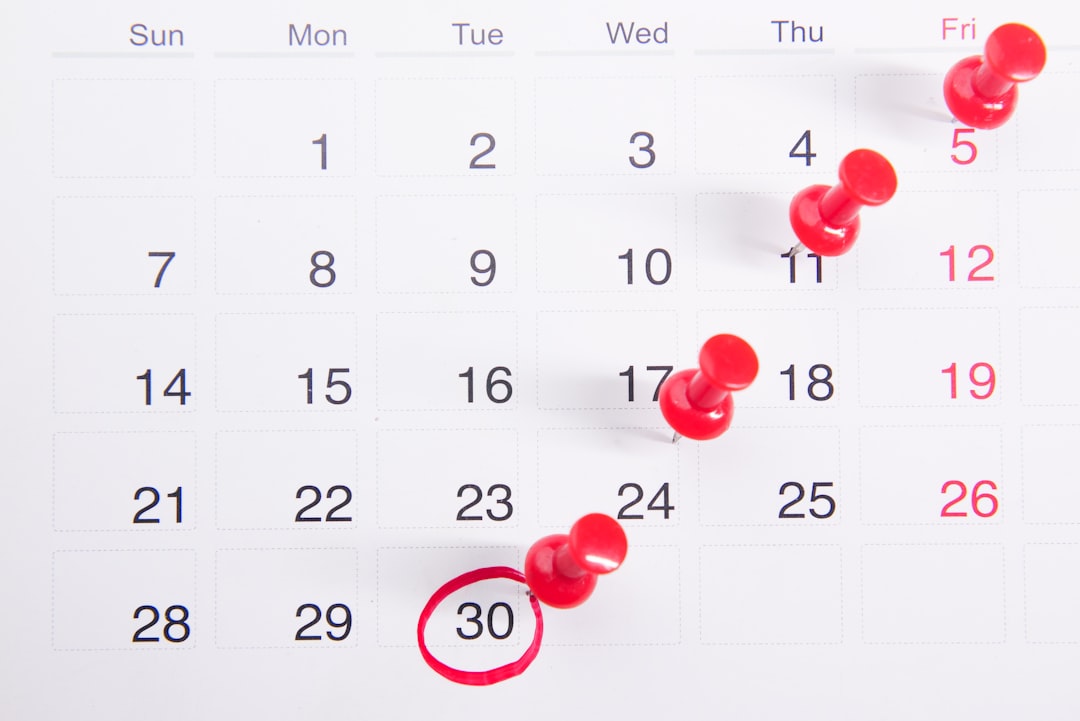
- Menstrual phase: This phase starts when an egg from the previous cycle isn't fertilised. Hormone levels fall, leading to the shedding of the uterine lining, which causes menstrual bleeding.
- Follicular phase: Running simultaneously with the menstrual phase, it involves the development of follicles in the ovaries. One follicle will mature into an egg. This phase ends with ovulation.
- Ovulation: This phase occurs mid-cycle, when hormones trigger the ovary to release a mature egg. It's the fertile window when pregnancy can occur if sperm fertilises the egg.
- Luteal phase: After ovulation, if the egg isn't fertilised, hormone levels will gradually fall. If not pregnant, this leads to the menstrual phase.
Real-Life Impact of Period Tracking on Teenagers
For teenagers, understanding and tracking the menstrual cycle can be particularly empowering. It aids in recognising patterns, predicting menstruation, and managing symptoms. One of the most common issues young girls face is irregular periods, which are normal in the years following puberty as hormone levels adjust. By tracking their cycle, teenagers can determine what's typical for them and identify any concerning changes in their health over time.
Tracking can also reduce anxiety associated with unexpected periods, helping in planning for sports, social events, and school activities. Understanding their cycle helps teens manage symptoms like cramps, mood swings, or fatigue by planning ahead and using targeted relief methods effectively.
Practical Strategies for Tracking Your Period
1. Use a Period Tracking App: Many free and paid apps are available that allow you to track your period, symptoms, mood, and overall health. Examples include Clue, Flo, and Period Tracker. These apps can predict your next period based on the data you enter and offer valuable insights into your health trends.
2. Maintain a Menstrual Diary: If you prefer something less digital, a simple diary or journal works well. Note the start date, the end date, flow intensity, and any symptoms you experience. This method can help you see patterns over several months.
3. Pay Attention to Your Body: Awareness of bodily changes can also act as a natural period tracker. Some women experience signs like breast tenderness, bloating, or mood changes just before their period starts.
4. Discuss With Your Healthcare Provider: If you notice anything unusual in your cycle, such as extremely painful periods or excessively heavy or light bleeding, discuss it with your doctor. They can help determine if there's an underlying health condition and advise accordingly.
Conclusion
Period tracking is more than just noting down dates. It's about understanding your body and it's health. It's particularly crucial during teenage years when many changes occur. By using apps, journals, or just bodily cues, you can effectively manage and anticipate your menstrual cycles, leading to a more informed and less stressful adolescence.
How are you feeling?
It is really important that when we need help, we feel able to ask for it. This could be speaking to a parent, a close friend, a teacher or someone else you trust. Sometimes it can be really hard to share our feelings with other people but if we are feeling low or don't know where to turn, sharing with others is really important. Teachers will always take you seriously and listen to your problems in confidence if you approach them for help. Likewise, parents, siblings or friends will help you if you reach out to them.
If you feel like you can't speak to anyone you know, there are people and organisations that can help support you:
- Childline - Call them on 0800 1111 any time of the day or night, every day of the week
- NSPCC - Call them on 0808 800 5000 between 10am and 4pm Monday to Friday or email them on help@NSPCC.org.uk
- The Samaritans – Call them on 116 123 any time of the day or night, every day of the week
- SANE – Call 0300 304 7000 for support (4:30pm - 10:30pm every day)
- Mind – Call 0300 123 3393 (9:00am - 6:00pm Monday to Friday)
*Sometimes we will use real life examples in our articles to aid understanding. When we do, names and ages will be changed.