













Let's get started...
Understanding Periods: A Guide to Talking About Menstruation
Menstruation, commonly referred to as a period, is a natural part of the reproductive cycle that about half of the human population experiences for a significant portion of their lives. Despite its commonality, there's a lot of stigma and embarrassment surrounding the discussion of periods. As a teenager, you might find it awkward or challenging to talk about periods with friends, family, or teachers, but it's an important conversation to normalise.
Background on Menstruation
First, let's cover the basics. Menstruation is the monthly shedding of the uterine lining in females. This process begins at puberty and is a key part of the reproductive cycle. It can bring about various symptoms like cramps, mood swings, and other physical changes, which are unique to each individual. The menstrual cycle is typically around 28 days long but can vary widely among people.
Despite being a natural biological process, periods have been taboo in many cultures for centuries. This has led to a lack of open communication about menstrual health and well-being, as well as significant gaps in knowledge and understanding amongst all genders.
The Impact of Periods on Teens
If you're a teen experiencing menstruation, it might affect you in several ways:
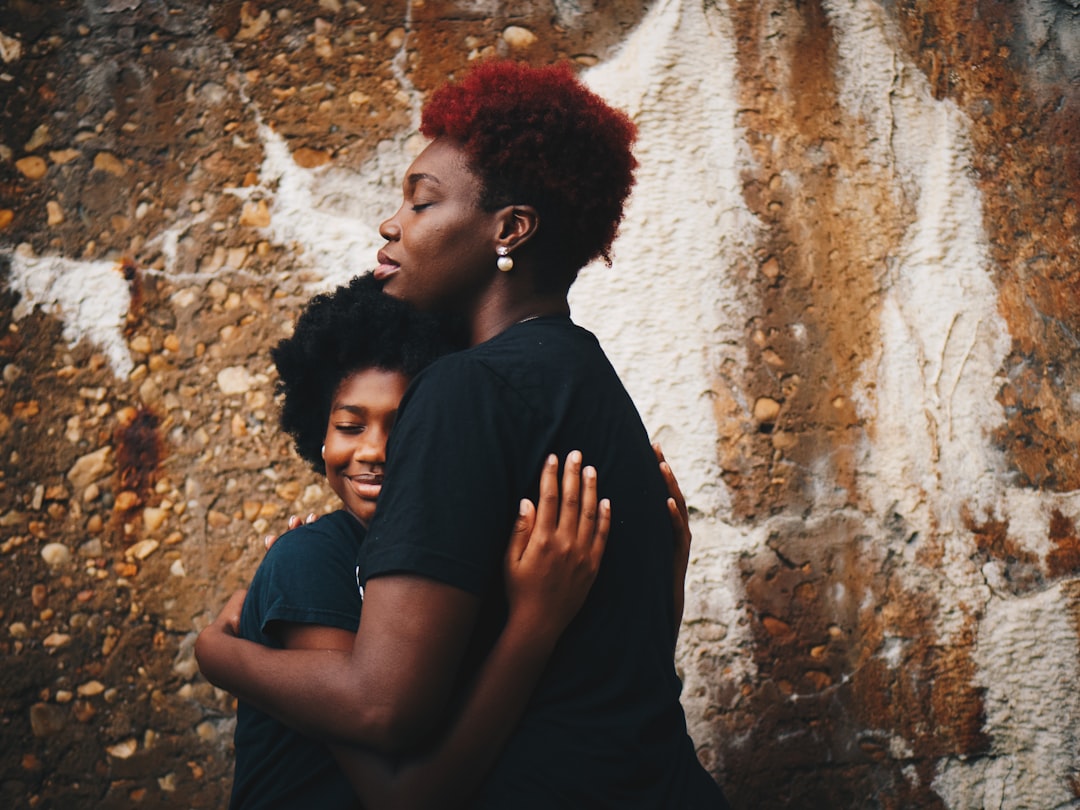
- Physical Health: You might experience cramps, headaches, and other physical discomforts that can affect your daily activities, including school and sports.
- Emotional Health: Hormonal changes can also impact your mood and emotional state, which might make you feel more sensitive or irritable than usual.
- Social Interaction: There might be days when you feel self-conscious or anxious about leaks, needing to change your sanitary product during school or while out with friends, which can impact your social life and mental health.
Discussing Periods Openly
Talking about periods can feel daunting, but it's a conversation worth having. Here are some strategies to help ease into these discussions:
Education is Key
Understanding the facts about menstruation can make you more confident in discussing it openly. Use reliable sources to educate yourself and others about why and how menstruation happens, dispelling myths and misconceptions about the process. This could be through books, educational videos, or trusted health websites.
Start Conversations at Home
Begin by talking to a parent, caregiver, or sibling about periods. This can provide a safe space to express any concerns and ask questions. For example, you might discuss the best types of products to use, or how to manage cramps.
School Education
Schools often provide some form of sex and relationship education that includes information about periods. Use these opportunities to ask questions and engage in discussions. If your school doesn't cover this adequately, perhaps suggest improvements or ask for additional resources through student councils or direct dialogue with teachers.
Use Technology to Your Advantage
Apps and online forums can provide a wealth of information and a place to anonymously ask questions and share experiences. Apps like Clue or Flo not only help track periods but also offer educational content and community support.
Building a Supportive Community
Talk to your friends about menstruation. Chances are, many of your peers are going through the same experiences and could use someone to talk to. Sharing your experiences can normalise the conversation and build a supportive network.
Advocate for Menstrual Equity
Menstrual equity refers to equal access to period products, education about menstruation, and safe, hygienic spaces in which to care for menstruation. Advocate for these rights in your school and community by raising awareness about the importance of menstrual equity and supporting initiatives that aim to improve access to menstrual health resources.
Practical Tips for Managing Conversations About Periods
Here are some quick tips to help you manage and initiate conversations about periods:
- Be Direct: Using correct terms like "menstruation" and "period" avoids perpetuating any stigma about the biological process.
- Stay Inclusive: Remember that not all women menstruate, and not all people who menstruate are women. Be inclusive in your language by considering phrases like "people who menstruate" when appropriate.
- normalise It: The more you speak openly about menstruation, the more normal it will become. This can involve small steps like mentioning it in conversations when relevant.
- Offer Support: If you know someone who is struggling with their period, offer your support. It could be as simple as offering a spare sanitary pad or sharing advice.
Conclusion
Periods are a normal part of life that should not be shrouded in secrecy or embarrassment. By educating yourself and others, starting conversations at home or with friends, and using modern technology, you can help break the stigma surrounding menstruation. This not only benefits individuals who menstruate by making them feel more comfortable and supported but also educates the wider community, fostering a more inclusive environment.
How are you feeling?
It is really important that when we need help, we feel able to ask for it. This could be speaking to a parent, a close friend, a teacher or someone else you trust. Sometimes it can be really hard to share our feelings with other people but if we are feeling low or don't know where to turn, sharing with others is really important. Teachers will always take you seriously and listen to your problems in confidence if you approach them for help. Likewise, parents, siblings or friends will help you if you reach out to them.
If you feel like you can't speak to anyone you know, there are people and organisations that can help support you:
- Childline - Call them on 0800 1111 any time of the day or night, every day of the week
- NSPCC - Call them on 0808 800 5000 between 10am and 4pm Monday to Friday or email them on help@NSPCC.org.uk
- The Samaritans – Call them on 116 123 any time of the day or night, every day of the week
- SANE – Call 0300 304 7000 for support (4:30pm - 10:30pm every day)
- Mind – Call 0300 123 3393 (9:00am - 6:00pm Monday to Friday)
*Sometimes we will use real life examples in our articles to aid understanding. When we do, names and ages will be changed.