













Let's get started...
Menstruation is a natural part of life for about half the population at some point in their lives, typically from puberty into their 40s or 50s. As natural as it is, it comes with its own set of challenges, especially when it comes to maintaining hygiene. For many teens, navigating this monthly occurrence can be daunting at first, but mastering menstrual hygiene can make it a lot more bearable.
Understanding Menstruation
First things first, understanding what menstruation is can help you manage it better. Menstruation, commonly referred to as a period, is the process where the lining of the uterus sheds if there's no pregnancy. This happens roughly every 28 days, but it's normal for cycles to be a bit shorter or longer. The bleeding, combined with mucus and tissue from the uterus, exits the body through the vagina. During this time, maintaining good hygiene is crucial not only for health reasons but for comfort and confidence as well.
The Basics of Menstrual Hygiene
Maintaining proper hygiene during your period is key. Here are some essential tips:
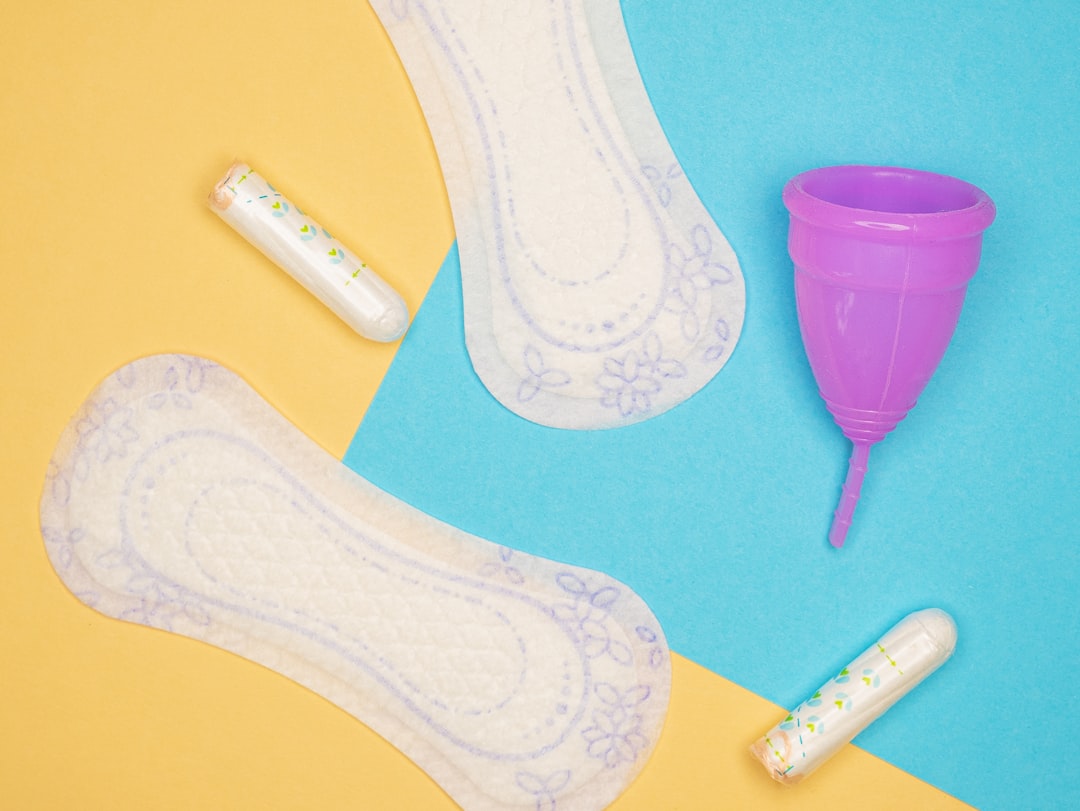
- Choose Your Menstrual Products Carefully: There's a wide range of products available, including sanitary pads, tampons, menstrual cups, and period panties. Choose what feels most comfortable for your body and lifestyle. For beginners, pads might be the easiest to start with, as they are simple to use.
- Change Regularly: Depending on your flow, you should change your sanitary product every 4 to 8 hours. For tampons and menstrual cups, it's particularly important to change them regularly to avoid risks such as Toxic Shock Syndrome (TSS), a rare but serious condition.
- Wash Your Hands: Always wash your hands before and after changing your menstrual product to prevent infections.
- Keep Yourself Clean: Use water and mild, unscented soap to wash the area around your vagina at least twice a day. This can help manage odours and keep away bacteria. During menstruation, the vagina's pH levels are disrupted, making it more susceptible to bacterial growth.
- Dispose of Products Properly: Sanitary products should be disposed of responsibly. Most public bathrooms have designated bins for this purpose. Never flush anything other than toilet paper down the toilet as it could block the system.
Dealing with Period Stigma and Taboos
Despite being a natural biological process, menstruation is often shrouded in stigma and taboo. This can make it difficult for some to seek help or even buy menstrual products. It's important to remember that menstruation is natural and nothing to be ashamed of. Engaging in open conversations about menstruation can help break these taboos and normalise this bodily function.
Managing Period Symptoms
Beyond hygiene, managing other period symptoms like cramps, mood swings, and fatigue is equally important:
- Stay Hydrated: Drinking plenty of water is important, especially if you're experiencing bloating during your period.
- Eat Well: Maintaining a healthy diet can alleviate some period symptoms. Foods rich in iron and magnesium can be particularly beneficial.
- Exercise: While it might feel counterintuitive, light exercise like yoga or walking can ease cramps and boost your mood.
- Use Heat: A hot water bottle or a heating pad on your abdomen can help relax the muscles and reduce pain.
When to Seek Help
If you're experiencing excessively heavy bleeding (changing your pad or tampon every hour or less), severe pain that can't be managed with over-the-counter medication, or if your cycle is consistently shorter than 21 days or longer than 35 days, it might be time to talk to a healthcare professional.
Creating a Period Kit
A practical way to manage your menstrual hygiene is by creating a period kit that you can carry in your school bag or keep ready at home. This could include:
- Extra sanitary pads or tampons
- Hand sanitiser
- Wet wipes
- A spare pair of underwear
- Pain relief medication
- A small bag or pouch to keep everything discreet
Being prepared not only helps you stay clean and comfortable, it also eases the stress that can come with unexpected or heavy periods.
Conclusion
Understanding and maintaining good menstrual hygiene is vital for your health, comfort, and confidence. It can be a bit overwhelming at first, but with the right products, habits, and attitudes, you can handle your period like a pro. Remember, menstruation is a natural process, and with the right care, it shouldn't stop you from living your life to the fullest.
How are you feeling?
It is really important that when we need help, we feel able to ask for it. This could be speaking to a parent, a close friend, a teacher or someone else you trust. Sometimes it can be really hard to share our feelings with other people but if we are feeling low or don't know where to turn, sharing with others is really important. Teachers will always take you seriously and listen to your problems in confidence if you approach them for help. Likewise, parents, siblings or friends will help you if you reach out to them.
If you feel like you can't speak to anyone you know, there are people and organisations that can help support you:
- Childline - Call them on 0800 1111 any time of the day or night, every day of the week
- NSPCC - Call them on 0808 800 5000 between 10am and 4pm Monday to Friday or email them on help@NSPCC.org.uk
- The Samaritans – Call them on 116 123 any time of the day or night, every day of the week
- SANE – Call 0300 304 7000 for support (4:30pm - 10:30pm every day)
- Mind – Call 0300 123 3393 (9:00am - 6:00pm Monday to Friday)
*Sometimes we will use real life examples in our articles to aid understanding. When we do, names and ages will be changed.