













Let's get started...
Understanding the Importance of Hygiene During Puberty
Puberty is a critical period of development that typically occurs between the ages of 8 and 16, characterised by physical, hormonal, and emotional changes. One of these changes includes increased sweat production due to the activation of sweat glands, specifically the apocrine glands that become active during puberty and are found mainly in areas like your underarms and groin. This can lead to body odour, which underscores the importance of maintaining good hygiene practices. Additionally, many teens experience an increase in oil production from their skin and hair, which can lead to acne and greasy hair if not properly managed.
The Impact of Poor Hygiene on Teens
Poor hygiene can significantly impact a teenager's life in various ways. From a social standpoint, body odour and visible signs of uncleanliness can lead to embarrassment and social isolation, which can deteriorate a young person's self-esteem and confidence. Academically, teens might avoid participation in class or extracurricular activities due to self-consciousness about their appearance or odour. Health-wise, inadequate hygiene practices can lead to skin infections, dental issues, and other health problems.
Effective Strategies for Maintaining Hygiene During Puberty
Maintaining good hygiene is essential for both physical and mental well-being. Here are some practical strategies to help you stay clean and confident throughout puberty:
Daily Showering and Bathing
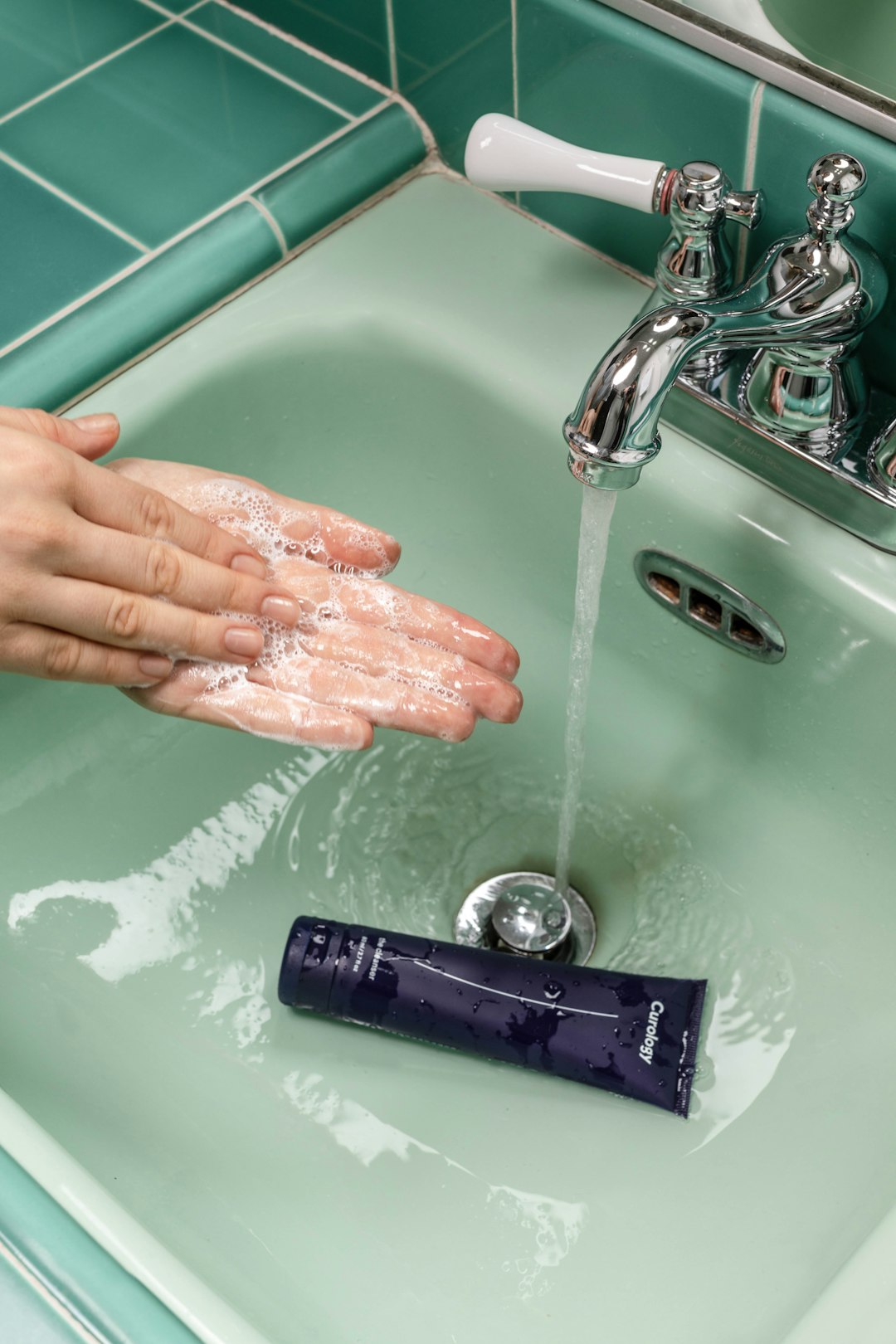
- Use a mild soap: Choose a soap that suits your skin type, preferably unscented or hypoallergenic to avoid skin irritation.
- Focus on key areas: Pay special attention to areas with sweat glands like the face, underarms, and genital areas.
- Showering after activities: Always shower after engaging in sports or physically demanding activities to prevent the build-up of sweat and bacteria.
Managing Body Odour
- Use deodorant or antiperspirant: Apply deodorant or an antiperspirant to your underarms. Deodorants mask the smell of perspiration, while antiperspirants reduce sweat production.
- Regularly change clothes: Wear clean clothes and change them daily or more often if you sweat a lot. Choose natural fibres like cotton, which allow your skin to breathe better than synthetic materials.
- Wash clothes thoroughly: Make sure to launder your clothes regularly using appropriate water temperature and detergent to remove all sweat and bacteria.
Caring for Hair
- Shampoo regularly: Teenagers should shampoo their hair two to three times a week, more if you have oily hair or engage in activities that make you sweat heavily.
- Use conditioner: Apply a conditioner that matches your hair type to keep your hair nourished and manageable.
Oral Hygiene
- Brush and floss: Brush your teeth at least twice a day and floss daily to maintain dental health and prevent bad breath.
- Regular dental check-ups: Visit your dentist for professional cleanings and check-ups at least twice a year.
Skincare
- Gentle cleansing: Use a gentle cleanser to wash your face twice daily, especially if you have acne-prone skin. Avoid over-washing as it can strip your skin of natural oils, leading to more breakouts.
- Avoid common irritants: Steer clear of harsh scrubs and alcohol-based products that can irritate your skin.
- moisturise: Apply a lightweight, oil-free moisturiser to keep your skin hydrated and healthy.
Mental Health and Hygiene
Maintaining good personal hygiene can also positively affect your mental health by boosting your self-esteem and reducing anxiety about personal appearance. Establishing a routine can help manage the overwhelming nature of puberty and instil a sense of control and normalcy.
Remember, it is perfectly normal to feel overwhelmed or embarrassed about the changes your body is going through. Take things one step at a time, and do not be afraid to ask for help from a trusted adult, such as a parent, teacher, or school counsellor, if you're struggling with these new responsibilities.
Conclusion
Maintaining hygiene during puberty may feel daunting at first, but with the right practices, it can become a simple and satisfying part of your daily life. Not only does good hygiene help prevent physical health issues, but it also plays a crucial role in boosting your confidence and overall mental well-being during these formative years.
How are you feeling?
It is really important that when we need help, we feel able to ask for it. This could be speaking to a parent, a close friend, a teacher or someone else you trust. Sometimes it can be really hard to share our feelings with other people but if we are feeling low or don't know where to turn, sharing with others is really important. Teachers will always take you seriously and listen to your problems in confidence if you approach them for help. Likewise, parents, siblings or friends will help you if you reach out to them.
If you feel like you can't speak to anyone you know, there are people and organisations that can help support you:
- Childline - Call them on 0800 1111 any time of the day or night, every day of the week
- NSPCC - Call them on 0808 800 5000 between 10am and 4pm Monday to Friday or email them on help@NSPCC.org.uk
- The Samaritans – Call them on 116 123 any time of the day or night, every day of the week
- SANE – Call 0300 304 7000 for support (4:30pm - 10:30pm every day)
- Mind – Call 0300 123 3393 (9:00am - 6:00pm Monday to Friday)
*Sometimes we will use real life examples in our articles to aid understanding. When we do, names and ages will be changed.