













Let's get started...
Understanding the Transformation: Boys' Bodies During Puberty
Puberty is a pivotal chapter in everyone's life. For boys, it can be both exciting and confusing, heralding significant physical, emotional, and psychological changes. Understanding these changes can help mitigate confusion and build confidence during this critical phase of growth.
Physical Changes in Boys During Puberty
The changes boys undergo during puberty are due to hormonal shifts, primarily driven by an increase in testosterone. Here's what typically happens:
- Increased Body Size: One of the first noticeable changes is growth spurts, which can start as early as age 11 or as late as 16. Boys grow taller, their shoulders widen, and they gain muscle mass.
- Development of Body Hair: Hair begins to grow under the arms, on the face, and around the genitals. This often starts slightly later than the growth spurts.
- Change in Voice: As puberty progresses, boys will experience a deepening of their voice. This is due to the growth of the voice box and lengthening of the vocal cords.
- Changes in the Genitals: The testicles and penis grow larger during puberty, and boys start to produce sperm.
- Increased Oil and Sweat Gland Production: Boys may notice that they sweat more and that their skin is oilier, which can also increase the likelihood of acne.
- Emotional and Mental Changes: With the surge of hormones, emotional outbursts, mood swings, and an increased interest in sexual activities can occur.
The Real-Life Impact of Puberty on Young Boys
Puberty is not just about physical changes. The transformation can have a profound impact on a boy's self-image and mental health. Many boys might feel awkward or self-conscious about their changing bodies, worry if they're developing too fast or too slow compared to their peers, or feel pressure to look a certain way. This phase may also bring about new tensions in family dynamics, as boys seek more independence and can sometimes clash with parental expectations.
Practical Strategies for Navigating Puberty
Open Communication
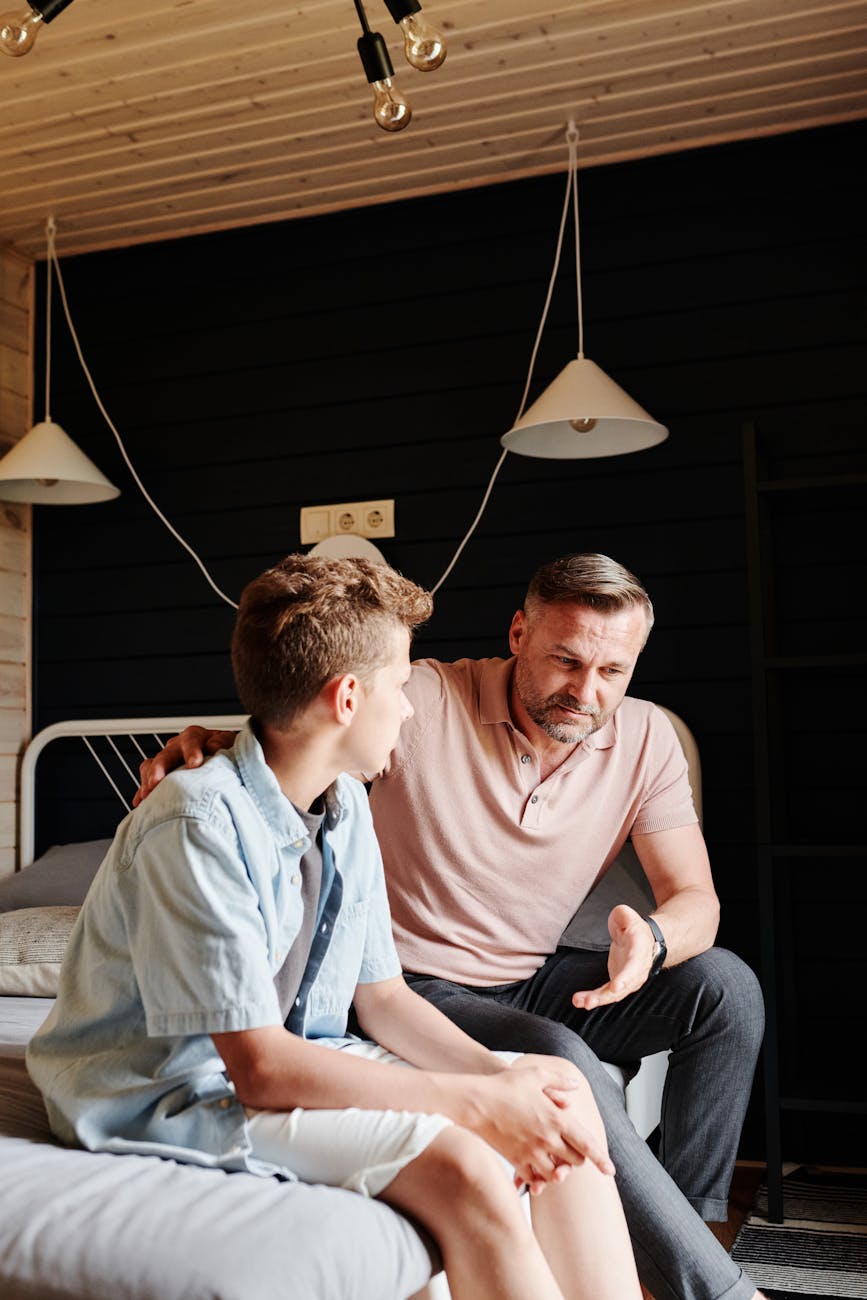
Maintaining open lines of communication with trusted adults can be invaluable. Encourage discussions at home about these changes so that boys understand that puberty is a normal part of growing up and nothing to be embarrassed about. Adults should be open to answering questions, offering guidance, or sharing their own experiences to normalise these transformations.
Educational Resources
Learning about puberty should not be limited to conversations at home. Books, reputable online resources, and health classes at school can also provide valuable information that reassures a young person that what they are experiencing is normal and shared by their peers.
Focus on Health
Eating a nutritious diet, getting regular physical exercise, and maintaining a healthy sleep schedule are crucial. Such habits will not only aid physical development but also help manage mood swings and other emotional challenges brought on by hormonal changes.
Skin Care
Given the increase in oil production, establishing a good skincare routine can prevent or manage acne and boost self-esteem. Washing the face twice daily with a mild cleanser and using non-comedogenic (non-pore-blocking) products can be effective strategies.
Emotional Support Networks
Peers can be a great source of support since they are likely going through similar experiences. Encourage social interaction and the building of a support network which can provide emotional assurance. Additionally, if feelings of anxiety or depression occur, seeking support from a counsellor or therapist can be beneficial.
Understanding and Patience
Finally, it's essential for young boys and those around them to cultivate patience and understanding during this time. Each boy experiences puberty at his own pace and in his own way, so it's vital not to compare oneself too closely to others. Recognising that this is a temporary and natural part of life can ease the emotional burden.
Puberty is a landscape of change. Each boy's journey through puberty is unique, shaped by his body's personal development timeline and the specific challenges he faces. Understanding these changes can help prepare and navigate this critical time more confidently, knowing that the awkward phases pass and growth invariably occurs not just physically but emotionally and intellectually.
How are you feeling?
It is really important that when we need help, we feel able to ask for it. This could be speaking to a parent, a close friend, a teacher or someone else you trust. Sometimes it can be really hard to share our feelings with other people but if we are feeling low or don't know where to turn, sharing with others is really important. Teachers will always take you seriously and listen to your problems in confidence if you approach them for help. Likewise, parents, siblings or friends will help you if you reach out to them.
If you feel like you can't speak to anyone you know, there are people and organisations that can help support you:
- Childline - Call them on 0800 1111 any time of the day or night, every day of the week
- NSPCC - Call them on 0808 800 5000 between 10am and 4pm Monday to Friday or email them on help@NSPCC.org.uk
- The Samaritans – Call them on 116 123 any time of the day or night, every day of the week
- SANE – Call 0300 304 7000 for support (4:30pm - 10:30pm every day)
- Mind – Call 0300 123 3393 (9:00am - 6:00pm Monday to Friday)
*Sometimes we will use real life examples in our articles to aid understanding. When we do, names and ages will be changed.