













Let's get started...
Understanding Period Pain: What's Going On?
For many, the monthly onset of menstrual pain is a familiar discomfort. Medically termed 'dysmenorrhea', it generally manifests as cramps in the lower abdomen but can also cause back pain, sore breasts, and headaches. These symptoms result from the uterus contracting to help expel its lining, an action powered by the release of hormone-like substances called prostaglandins, which are involved in pain and inflammation triggers.
This pain is more than a mere inconvenience; for some, it seriously disrupts day-to-day activities. But why do some suffer more than others? Factors can include a heavier menstrual flow, genetic influences (if your mother had severe cramps, you might too), or medical conditions like endometriosis or fibroids.
The Personal Impact of Period Pain
For teenagers, period pain can be particularly challenging. Alongside managing school demands, extracurricular activities, and social lives, dealing with discomfort can feel like a huge additional burden. It can affect concentration in class, participation in sports, and even socialising, which are all critical aspects of teenage life.
Moreover, the emotional effects of period pain shouldn't be underestimated. It can induce feelings of frustration or sadness, and the stress of managing pain can even lead to feelings of anxiety, especially around the ability to keep up with academic and personal commitments.
Practical Strategies for Managing Period Pain
Natural Remedies and Lifestyle Changes
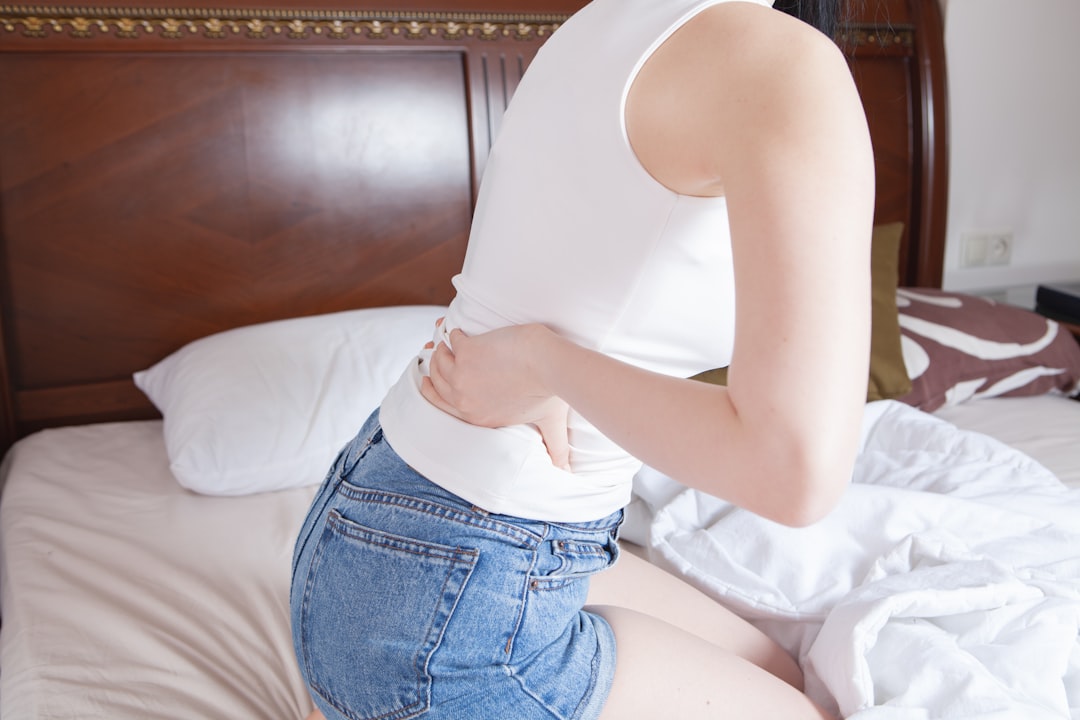
- Heat Therapy: Applying a heat patch or a hot water bottle to your lower abdomen can help relax the uterine muscles and relieve cramps. The warmth offers comforting relief that is easy to apply and can be very effective.
- Regular Exercise: It might seem counterintuitive to move more when you're in pain, but activities like walking, yoga, or Pilates can increase blood circulation and release endorphins, which act as natural painkillers.
- Opt for Anti-inflammatory Foods: Certain foods can exacerbate inflammation while others can reduce it. During your period, try to increase intake of fruits, vegetables, nuts, and fish, which are rich in anti-inflammatory properties, and decrease consumption of processed foods and sugars.
- Adequate Hydration: Staying hydrated helps your body handle cramps better. Drinking water can prevent bloating and water retention, which often accompany menstrual periods and enhance discomfort.
Over-the-Counter Relief
If natural remedies aren't sufficient, over-the-counter pain relievers can be effective. Nonsteroidal anti-inflammatory drugs (NSAIDs), like ibuprofen and naproxen, not only relieve pain but also reduce the production of prostaglandins and lessen the contractions. Be sure to follow the recommended dosages and consider consulting with a healthcare provider, especially if medication is being used regularly each month.
Alternative Therapies
Some find relief in alternative therapies such as acupuncture, which can help in reducing menstrual pain. Techniques like meditation and deep breathing exercises can also manage the stress and anxiety that might accompany periods.
Consulting a Professional
If your menstrual pain is severe or getting worse, it might be time to see a doctor. Persistent, extreme pain could indicate underlying health issues that need medical intervention. Treatments can vary widely, from hormonal birth control, which can regulate or even eliminate periods, to surgical options for conditions like endometriosis.
Building a Support System
Discussing period pain can often feel taboo, but opening up about it with friends, family, or trusted teachers can provide emotional support and understanding. Knowing others understand what you're going through can make a significant difference in how you cope. Remember, you're not alone, and support is out therefrom advice on practical approaches to handle period pain to empathy over shared experiences.
Period pain is a significant issue with a real impact on a teenager's life, but it doesn't have to be debilitating. With the right strategies and support, you can manage your symptoms effectively, reduce your discomfort, and retain your active lifestyle. Tailoring these approaches to what feels best for your body is the key to coping successfully with menstrual pain.
How are you feeling?
It is really important that when we need help, we feel able to ask for it. This could be speaking to a parent, a close friend, a teacher or someone else you trust. Sometimes it can be really hard to share our feelings with other people but if we are feeling low or don't know where to turn, sharing with others is really important. Teachers will always take you seriously and listen to your problems in confidence if you approach them for help. Likewise, parents, siblings or friends will help you if you reach out to them.
If you feel like you can't speak to anyone you know, there are people and organisations that can help support you:
- Childline - Call them on 0800 1111 any time of the day or night, every day of the week
- NSPCC - Call them on 0808 800 5000 between 10am and 4pm Monday to Friday or email them on help@NSPCC.org.uk
- The Samaritans – Call them on 116 123 any time of the day or night, every day of the week
- SANE – Call 0300 304 7000 for support (4:30pm - 10:30pm every day)
- Mind – Call 0300 123 3393 (9:00am - 6:00pm Monday to Friday)
*Sometimes we will use real life examples in our articles to aid understanding. When we do, names and ages will be changed.