













Let's get started...
Understanding Acne: What Is It?
Acne is a common skin condition that affects most people at some point in their lives, particularly during teenage years. It manifests as spots, oily skin, and sometimes skin that's hot or painful to touch. Acne typically appears on the face, forehead, chest, upper back, and shoulders where the sebaceous glands are most dense.
Acne develops due to several factors. The primary cause is the overproduction of oil (sebum) by the glands in the skin coupled with a build-up of dead skin cells. When these combine, they create an environment ripe for bacterial growth, particularly Propionibacterium acnes (P. acnes). Hormones can also play a significant role, especially during puberty, causing glands to produce more sebum.
The Impact of Acne on Teenagers
Acne is not just a physical issue; it can significantly impact mental health, particularly during the sensitive teenage years. It can lead to decreased self-esteem, anxiety, and in severe cases, depression. Adolescents might feel self-conscious about their appearance or avoid social interactions. Moreover, the presence of acne can lead to bullying or teasing from peers, exacerbating emotional distress.
The importance of addressing both the physical and psychological impacts of acne cannot be overstressed, as treating the skin condition might also help improve an individual's self-confidence and overall mental health.
Practical Strategies for Managing Acne
1. Proper Skin Care Regimen
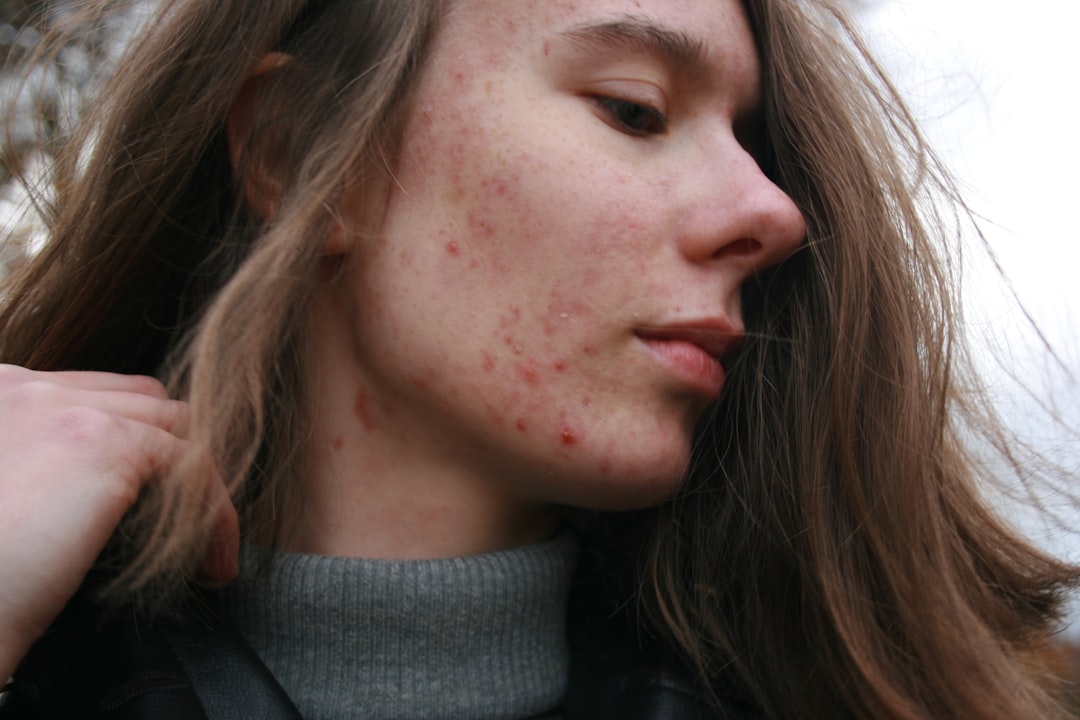
- Cleanse Gently: Twice a day, cleanse your face with a mild soap or a specialised acne cleanser that is free from harsh detergents. Avoid scrubbing your face aggressively, which can irritate the skin and exacerbate acne.
- Exfoliate Sparingly: Use a gentle exfoliator to help remove dead skin cells. However, limit this to once or twice a week to prevent irritating the skin.
- moisturise: Look for non-comedogenic moisturisers that do not block pores. Even oily skin needs hydration to maintain its health.
- Avoid Touching Your Face: Keep your hands away from your face to prevent the spread of bacteria and the irritation of existing acne.
2. Consider Over-the-Counter Treatments
Products containing ingredients like benzoyl peroxide, salicylic acid, or alpha hydroxy acids can be effective in treating mild to moderate acne. These ingredients help reduce oil production, fight bacterial infection, and encourage the shedding of dead skin cells.
3. Prescription Medications
For more severe cases, a dermatologist might prescribe topical retinoids, topical antibiotics, or even oral medications such as antibiotics or isotretinoin. These treatments can be more aggressive and are designed to tackle tougher cases of acne.
4. Maintain a Healthy Lifestyle
- Eat a Balanced Diet: While no direct link connects diet to acne, maintaining a balanced diet rich in fruits, vegetables, and whole grains can support overall skin health.
- Stay Hydrated: Drinking enough water is essential for maintaining hydrated, healthy skin.
- Manage Stress: Stress is known to exacerbate acne in some individuals. Engage in regular physical activity and consider practices like yoga or meditation to manage stress levels.
5. Seek Professional Help
If your acne persists or worsens, it might be time to consult a professional. A dermatologist can offer personalised advice and treatment plans tailored to your specific condition.
6. Be Persistent and Patient
Acne treatments require time to work. It can be frustrating, but maintaining a consistent skincare regimen and following professional advice is crucial. Changes might only be noticeable after several weeks or even months.
Conclusion
Dealing with acne involves a combination of proper skin care, lifestyle adjustments, and possibly medical intervention. Understanding that this is a common issue can help relieve some of the psychological burden. Remember, you're not alone in this, and with persistence and the right approach, acne can generally be managed effectively.
How are you feeling?
It is really important that when we need help, we feel able to ask for it. This could be speaking to a parent, a close friend, a teacher or someone else you trust. Sometimes it can be really hard to share our feelings with other people but if we are feeling low or don't know where to turn, sharing with others is really important. Teachers will always take you seriously and listen to your problems in confidence if you approach them for help. Likewise, parents, siblings or friends will help you if you reach out to them.
If you feel like you can't speak to anyone you know, there are people and organisations that can help support you:
- Childline - Call them on 0800 1111 any time of the day or night, every day of the week
- NSPCC - Call them on 0808 800 5000 between 10am and 4pm Monday to Friday or email them on help@NSPCC.org.uk
- The Samaritans – Call them on 116 123 any time of the day or night, every day of the week
- SANE – Call 0300 304 7000 for support (4:30pm - 10:30pm every day)
- Mind – Call 0300 123 3393 (9:00am - 6:00pm Monday to Friday)
*Sometimes we will use real life examples in our articles to aid understanding. When we do, names and ages will be changed.