

















Let's get started...
Periods are a natural part of life for females, but they're often surrounded by myths and embarrassment. Understanding periods can help you feel more confident and informed about your body. Here are 10 things you've always wanted to know about periods but might have been too afraid to ask.1. What Is a Period?
A period, or menstruation, is when the lining of the uterus sheds and leaves the body through the vagina. This happens roughly once a month if an egg released during ovulation isn't fertilised. It's a normal part of the menstrual cycle, which prepares the body for a potential pregnancy.2. When Do Periods Start?
Most females get their first period between the ages of 9 and 16, with the average age being around 12. Your first period can feel exciting, scary, or a mix of both. It's a sign that your body is growing and developing.3. How Long Do Periods Last?
Periods typically last between 3 and 7 days, but this can vary from person to person. The flow might be heavier on some days and lighter on others. It's normal for your cycle to be irregular at first, but it usually settles into a pattern within a couple of years.4. What Are the Signs of a Period?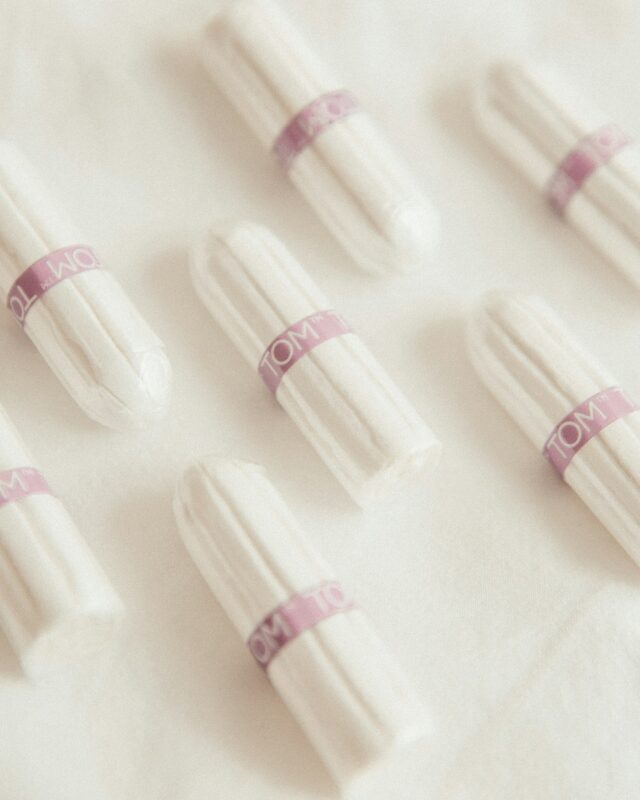
Before your period starts, you might notice symptoms like:
- Cramps or discomfort in your lower abdomen.
- Breast tenderness.
- Changes in mood, such as irritability or sadness.
- Feeling bloated or swollen.
- Increased hunger or cravings.
5. Why Do Periods Happen?
Periods are part of the menstrual cycle, which typically lasts 28 days but can range from 21 to 35 days. Hormones signal your body to release an egg and prepare the uterus for pregnancy. If the egg isn't fertilised, the lining of the uterus breaks down and leaves the body as a period.6. What Products Can You Use During Your Period?
There are several products to manage your period, including:- Sanitary pads: Disposable or reusable pads that stick to your underwear.
- Tampons: Absorbent products inserted into the vagina.
- Menstrual cups: Reusable silicone cups that collect period blood.
- Period pants: Washable underwear designed to absorb blood.
7. What If Periods Are Painful?
Many females experience cramps or discomfort during their period, caused by the uterus contracting to shed its lining. To ease period pain, you can:- Use a hot water bottle or heating pad on your abdomen.
- Take over-the-counter pain relief, like ibuprofen.
- Stay active, light exercise can help reduce cramps.
- Practice relaxation techniques, like deep breathing or yoga.
8. What If Periods Are Irregular?
Irregular periods are common, especially during the first few years of menstruation. They can be caused by factors like stress, changes in weight, or medical conditions such as polycystic ovary syndrome (PCOS). If your periods are consistently irregular or cause concern, consult a healthcare professional for guidance.9. Real-Life Impact: A Teen's Story
Sophia, a 15-year-old from London, shared her experience: "When I got my first period, I was so nervous about leaking at school. But over time, I learned to prepare by keeping pads in my bag and wearing dark clothing on heavy days. Talking to my mum and friends really helped me feel less embarrassed." Sophia's story highlights the importance of being prepared and seeking support when needed.10. How Can You Feel More Comfortable About Periods?
Feeling confident about periods takes time, but these tips can help:- Be prepared: Keep period products in your bag for emergencies.
- Talk about it: Share your questions or worries with a trusted friend, parent, or teacher.
- Track your cycle: Use a period tracking app to understand your cycle and plan ahead.
- Normalise periods: Remember, it's a natural process that half the population experiences!
Conclusion
Periods are a normal and healthy part of life, even if they feel overwhelming at first. By understanding why they happen, finding the right products, and managing symptoms, you can feel more prepared and empowered. Remember, it's okay to ask questions or talk to someone if you're unsure about anything, periods are nothing to be afraid of or ashamed of.How are you feeling?
It is really important that when we need help, we feel able to ask for it. This could be speaking to a parent, a close friend, a teacher or someone else you trust. Sometimes it can be really hard to share our feelings with other people but if we are feeling low or don't know where to turn, sharing with others is really important. Teachers will always take you seriously and listen to your problems in confidence if you approach them for help. Likewise, parents, siblings or friends will help you if you reach out to them.
If you feel like you can't speak to anyone you know, there are people and organisations that can help support you:
- Childline - Call them on 0800 1111 any time of the day or night, every day of the week
- NSPCC - Call them on 0808 800 5000 between 10am and 4pm Monday to Friday or email them on help@NSPCC.org.uk
- The Samaritans – Call them on 116 123 any time of the day or night, every day of the week
- SANE – Call 0300 304 7000 for support (4:30pm - 10:30pm every day)
- Mind – Call 0300 123 3393 (9:00am - 6:00pm Monday to Friday)
*Sometimes we will use real life examples in our articles to aid understanding. When we do, names and ages will be changed.
