













Let's get started...
Everyone knows exercise is good for you, right? But why exactly is it considered so crucial, especially during your teenage years? Let's dive into the reasons why exercise isn't just another chore on your to-do list, but a vital activity that can shape your health, happiness, and even your future.
The Science Behind Exercise
When you exercise, your body isn't just burning calories and building muscles, it's undergoing a whole series of biochemical transformations. Physically active bodies release endorphins, often known as 'feel-good' hormones, which can help combat stress and pain. Regular exercise also helps regulate your sleep patterns, boosts your immune system, and can improve your overall mood.
At a cellular level, exercising stimulates the release of proteins called neurotrophic or growth factors, which contribute to brain health. This can improve cognitive functions such as memory, problem-solving, and attention, which are particularly critical during your teenage years when your brain is still developing.
Impact of Exercise on Teen Health
For teenagers, the benefits of exercise are multifaceted. Not only does it help build a stronger, healthier body, but it also has profound effects on mental health. During adolescence, you undergo significant physical, emotional, and cognitive changes. Exercise can serve as a stabilising force through these changing years.
Physically, it helps build and maintain healthy bones, muscles, and joints. It also helps control weight, reduce fat, and prevent obesity, a growing concern in today's increasingly sedentary lifestyle. Anaerobic exercises like sprinting or weight lifting enhance muscular strength and increase muscle mass, while aerobic exercises like swimming, cycling, or running improve cardiovascular endurance.
Mentally, exercise is just as beneficial. It has been shown to decrease symptoms of depression and anxiety. Physical activity can also boost self-esteem and self-image, which are particularly important during your teenage years when body image concerns can be prominent.
Social and Academic Benefits
Exercise isn't just about individual benefits; it has social aspects as well. Team sports like football, rugby, or netball, and even group fitness classes, offer chances to meet new people and develop teamwork and communication skills. These social interactions can improve your mood and mental health, contributing to a more positive school environment.
It's also worth noting that students who engage in physical activity tend to perform better academically. The discipline and focus required in physical fitness often translate to improved concentration and dedication in school work, leading to better grades and more efficient learning.
Practical Strategies for Incorporating Exercise
So, how can you make exercise a part of your life, especially if you're not naturally inclined towards sports? Here are some practical tips to help get you moving:
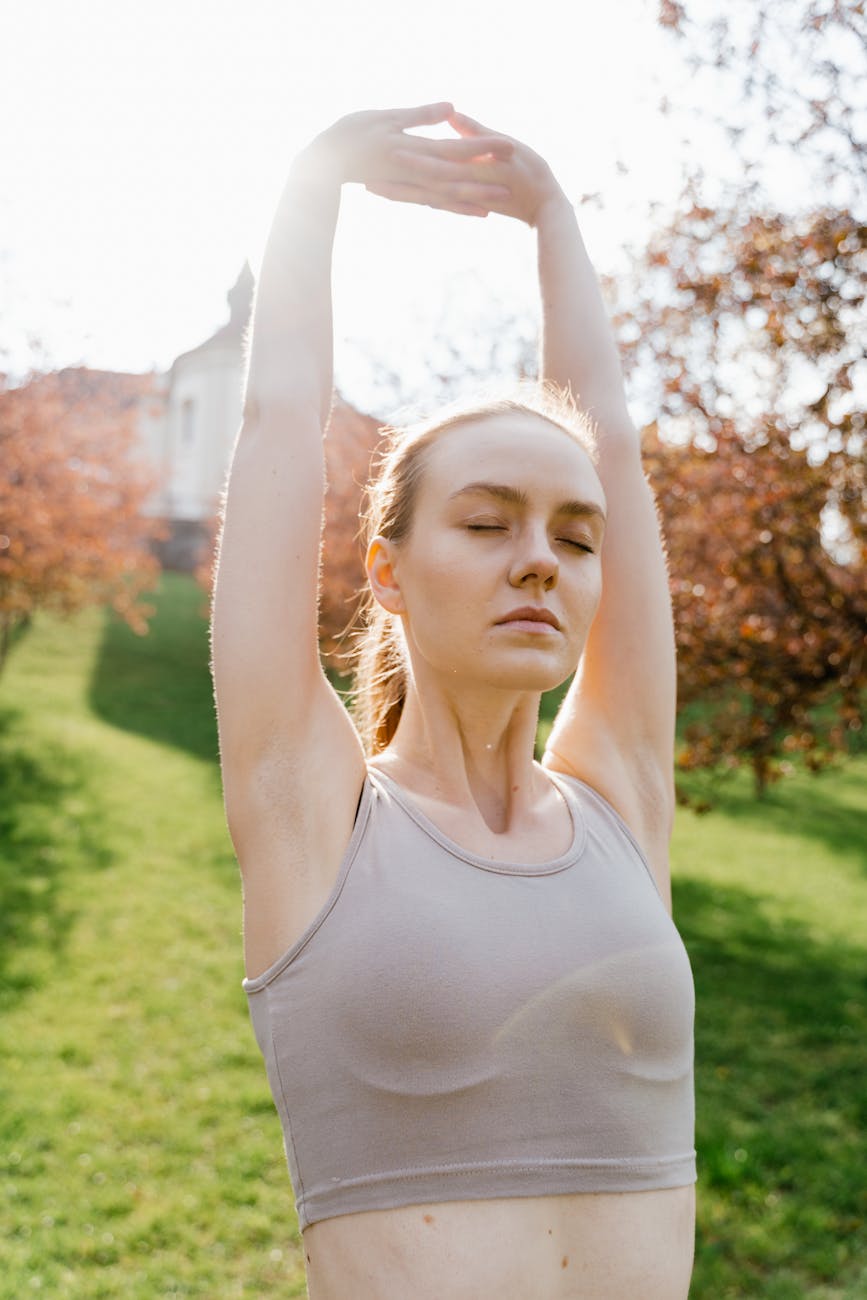
- Start Small: If you're not accustomed to regular physical activity, start with small, achievable goals. Even a ten-minute walk after school each day is a good beginning.
- Find What You Enjoy: Exercise doesn't have to be a chore. Whether it's dancing, skateboarding, or yoga, choose an activity you love; you're more likely to stick with it.
- Make It a Routine: Set specific times for physical activity, and make it as routine as brushing your teeth or doing your homework.
- Involve Your Friends: Group activities can make exercising more fun and less of a workout. Plus, having a buddy can motivate you to stick to your exercise routine.
- Use Technology: There are plenty of apps and online resources that can help you plan and stick to your fitness goals. Use them to your advantage.
It's also important to listen to your body and avoid over-exertion, which can lead to injuries. Make sure to warm up before any strenuous activity and cool down afterward to keep your muscles and joints healthy.
Conclusion
Exercise is more than just a physical activity, it's a comprehensive approach to a healthy lifestyle. The benefit's for teenagers extend far beyond the gym or the sports field. They infiltrate every area of life, from your mental health to your academic performance. By integrating regular physical activity into your daily schedule, you're not just investing in a healthier today but a brighter tomorrow.
Remember, the goal of exercise shouldn't be perfection; it's about improvement and well-being. Start where you are, use what you have, and do what you can. Your future self will thank you.
How are you feeling?
It is really important that when we need help, we feel able to ask for it. This could be speaking to a parent, a close friend, a teacher or someone else you trust. Sometimes it can be really hard to share our feelings with other people but if we are feeling low or don't know where to turn, sharing with others is really important. Teachers will always take you seriously and listen to your problems in confidence if you approach them for help. Likewise, parents, siblings or friends will help you if you reach out to them.
If you feel like you can't speak to anyone you know, there are people and organisations that can help support you:
- Childline - Call them on 0800 1111 any time of the day or night, every day of the week
- NSPCC - Call them on 0808 800 5000 between 10am and 4pm Monday to Friday or email them on help@NSPCC.org.uk
- The Samaritans – Call them on 116 123 any time of the day or night, every day of the week
- SANE – Call 0300 304 7000 for support (4:30pm - 10:30pm every day)
- Mind – Call 0300 123 3393 (9:00am - 6:00pm Monday to Friday)
*Sometimes we will use real life examples in our articles to aid understanding. When we do, names and ages will be changed.