
Let's get started...
Understanding the Importance of Beginner Workouts
Embarking on your fitness journey is an exciting prospect, especially when you're armed with the right beginner workouts. Whether your goal is to build muscle, increase endurance, or simply enhance your overall health, starting with the appropriate exercises is crucial. This ensures that you develop good workout habits, prevent injuries, and progressively improve your fitness levels.
For teenagers, especially, it's important to choose workouts that are suitable for their age and current fitness level. Engaging in physical activities that are too strenuous can lead to injuries and burnout, which might discourage you from regular exercise.
The Basics of Beginner Workouts
Beginner workouts generally consist of simple exercises that aim to work the major muscle groups without the need for specialised gym equipment. These workouts can be done at home or in a park, making them convenient and accessible. The key aspects of these workouts include flexibility, aerobic fitness, and strength training.
Flexibility exercises such as stretching are important to keep your muscles elastic and improve your joints' range of motion. Aerobic fitness can be developed through activities that raise your heart rate, like brisk walking, jogging, or cycling. Lastly, strength training involves using body weight or lightweight resistance to build muscle and bone strength.
Sample Beginner Workouts
1. Full-Body Stretch
Starting with a stretching routine helps prevent injuries and prepares your body for aerobic and strength activities. Spend about 5 to 10 minutes doing stretches such as the head-to-toe stretch, side reaches, and arm stretches.
2. Cardiovascular Exercises
Begin with simple cardio exercises like walking or jogging for at least 15 to 20 minutes. These activities are immensely beneficial for your heart and lungs, and they help burn calories effectively.
3. Strength Training
- Squats: 3 sets of 10 to 15 repetitions each to build strength in your thighs and buttocks.
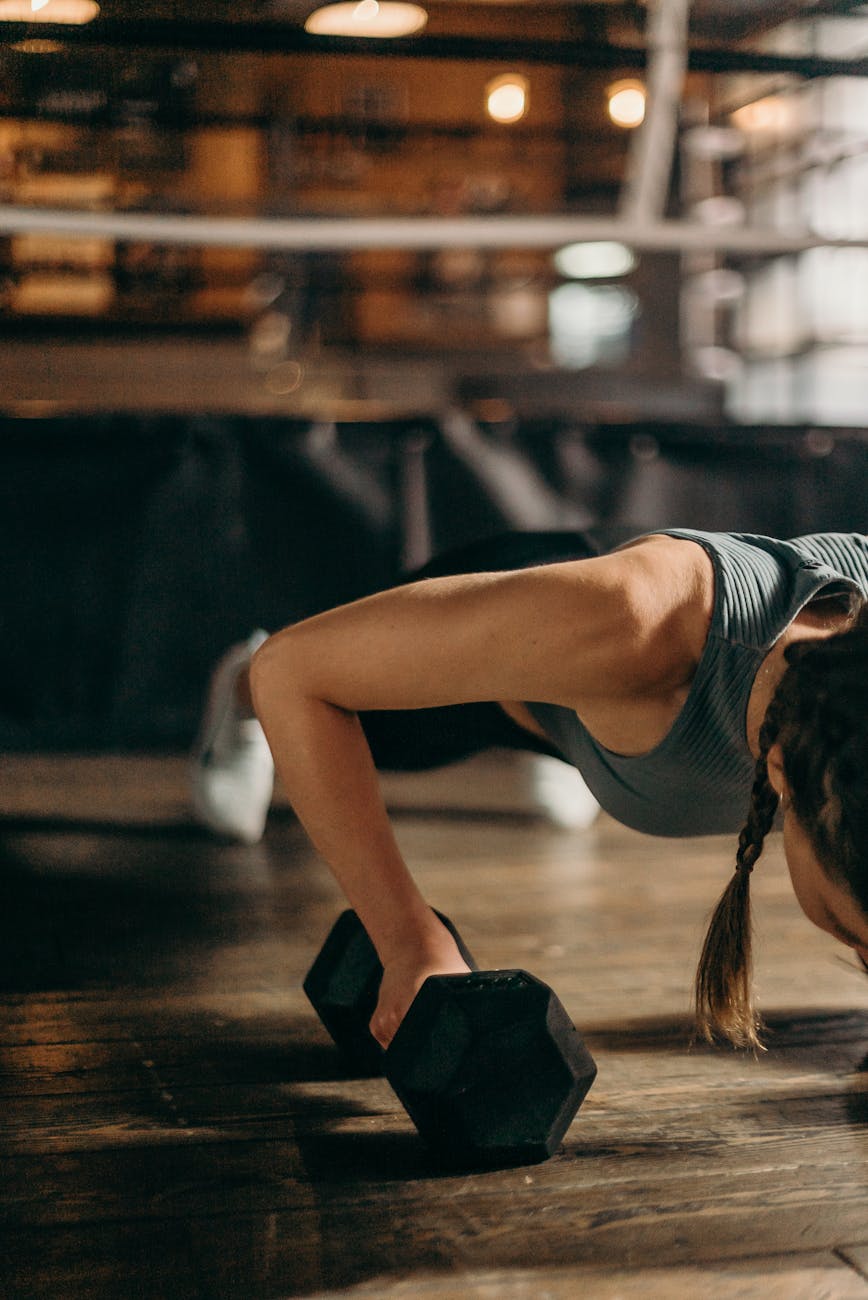
- Push-ups: Start with knee push-ups if standard push-ups are too challenging. Aim for 3 sets of 8 to 10 repetitions.
- Planks: Hold a plank for 20 to 30 seconds to strengthen your core.
How These Workouts Impact Teenagers
Engaging in regular workouts has a multitude of benefit's for teenagers. Physically, it helps build and maintain healthy bones, muscles, and joints. It also helps control weight, reduce fat, and prevent chronic diseases such as diabetes and heart disease in the long run. Mentally, regular exercise improves mood and sleep and decreases feelings of depression and anxiety.
Moreover, exercise has social benefits as well. It can provide an opportunity for you to engage with peers in a healthy, constructive way, either through team sports or group fitness activities. This can enhance your team-building and communication skills, contributing to more great social experiences.
Practical Strategies for Sticking to Your Workout Routine
Consistency is key when it comes to benefiting from any fitness programme. Here are some tips to help you stay on track:
- Set Realistic Goals: Start with manageable goals that you believe you can achieve and advance gradually.
- Make It Fun: Choose activities you enjoy. Exercise doesn't have to be tedious playing a sport, dancing, or even brisk walking with a friend are great ways to stay active.
- Track Your Progress: Keep a record of your workouts and progress. Seeing improvements can be a huge motivator.
- Stay Committed: Try to make exercise a habit. Stick to your schedule as much as possible, and adjust only when necessary.
- Be Patient: Progress takes time. Do not get discouraged if you don't see immediate results.
- Ask for Support: Involve your family or friends, or join a community. Having support can increase your motivation.
By incorporating these strategies into your routine, you can improve your chances of sticking to your workout schedule and making the most of the health benefits it offers.
Conclusion
Starting with a simple, well-rounded workout routine is an excellent way to embark on your fitness journey. Remember to include a mix of flexibility, aerobic, and strength training exercises to cover all aspects of physical fitness. With consistency and determination, you'll soon see the benefits of regular exercise in your everyday life and wellbeing.
How are you feeling?
It is really important that when we need help, we feel able to ask for it. This could be speaking to a parent, a close friend, a teacher or someone else you trust. Sometimes it can be really hard to share our feelings with other people but if we are feeling low or don't know where to turn, sharing with others is really important. Teachers will always take you seriously and listen to your problems in confidence if you approach them for help. Likewise, parents, siblings or friends will help you if you reach out to them.
If you feel like you can't speak to anyone you know, there are people and organisations that can help support you:
- Childline - Call them on 0800 1111 any time of the day or night, every day of the week
- NSPCC - Call them on 0808 800 5000 between 10am and 4pm Monday to Friday or email them on help@NSPCC.org.uk
- The Samaritans – Call them on 116 123 any time of the day or night, every day of the week
- SANE – Call 0300 304 7000 for support (4:30pm - 10:30pm every day)
- Mind – Call 0300 123 3393 (9:00am - 6:00pm Monday to Friday)
*Sometimes we will use real life examples in our articles to aid understanding. When we do, names and ages will be changed.