

















Let's get started...
Understanding Meditation in Yoga: A Path to Inner Peace
Meditation in yoga is commonly mistaken as merely a part of the physical practices like poses and breath control. However, diving deeper, we see it as a core aspect of yoga that leads to mental clarity, self-awareness, and ultimately, inner peace. It's important to understand that yoga is not only about the physicality; it encompasses mental and spiritual dimensions as well. Let's explore what meditation in yoga truly means and how it can influence life, especially for teenagers who are navigating one of the most transformative periods of their lives.
The Historical Background of Yoga and Meditation
The roots of yoga can be traced back over 5,000 years to ancient India. Originally, yoga was developed as a means to achieve spiritual growth, with meditation being a crucial element. Unlike the popular modern-day physical forms of yoga like Vinyasa or Hatha, classical yoga involves deeper spiritual aspects. According to Patanjali's Yoga Sutras, a key yogic scripture, yoga is an eight-limbed path. Among these limbs is Dhyana, or meditation, which is the seventh step, coming right after Dharana (concentration) and leading to Samadhi (a state of spiritual enlightenment).
The practise of Meditation in Yoga
Meditation in yoga isn't just about sitting quietly; it's an active process of focusing the mind and eliminating the flow of scattered thoughts. This leads to a state of consciousness that brings serenity and deeper insight. The practise might include focusing on a mantra, observing the breath, or visualisation, among other techniques. This powerful method helps in reducing stress, anxiety, and various negative mental states, contributing significantly to overall well-being.
Impact of Meditation on Young People
Teenage years are often filled with stress due to academic pressures, social dynamics, and personal development. Meditation can be a valuable tool in coping with these challenges. Practicing meditation can help in the following ways:
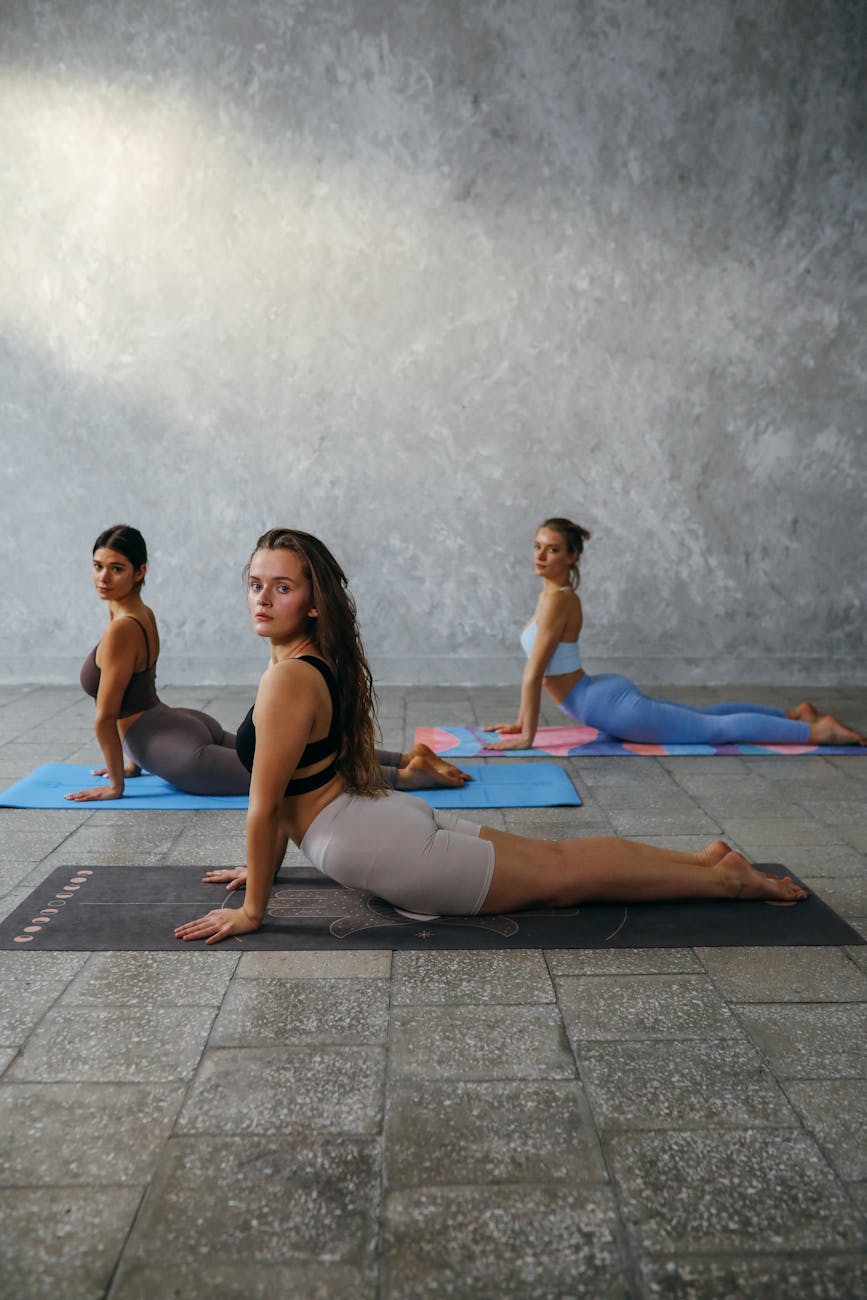
- Reducing Stress and Anxiety: Meditation helps lower levels of cortisol, the stress hormone, thereby easing feelings of anxiety and stress.
- Enhancing Concentration: Regular meditation improves the ability to concentrate, which can directly influence academic performance and attention span.
- Improving Sleep: Meditation promotes relaxation and can help in improving sleep patterns, which is crucial during the teen years for physical and mental development.
- Boosting Self-esteem: By promoting a greater sense of peace and self-awareness, meditation can help boost confidence and self-esteem.
Practical Strategies for Incorporating Meditation into Daily Life
Starting a meditation practise may seem daunting at first, especially for active teenagers who might find sitting still a challenge. Here are some practical tips to ease into meditation:
- Start Small: Begin with just a few minutes each day. Even five minutes can make a difference and slowly increase the time as you get more comfortable.
- Create a Conducive Environment: Find a quiet space where you won't be disturbed. This could be a corner of your bedroom or a spot in a garden.
- Make it a Routine: Set a specific time for meditation each day to establish it as a habit, perhaps in the morning before starting your day or in the evening as a way to wind down.
- Use Guided Meditations: Many apps and websites offer guided meditations specific for beginners or those targeted towards dealing with stress and anxiety, which can be particularly helpful when starting.
- practise Mindfulness Throughout the Day: Meditation doesn't always have to be a separate activity. Try to incorporate mindfulness into daily activities like eating, walking, or even during study breaks.
- Join a Yoga Class: Since meditation is a key aspect of yoga, joining a class can help you integrate both physical and meditation practices together under guided supervision.
Meditation in yoga is more than just a technique for relaxation. It is a comprehensive tool that helps foster mental clarity, emotional stability, and a deeper sense of self-awareness. Particularly for teenagers, it offers a way to navigate the complexity of their emotions and the challenges of their environments. By incorporating even a few minutes of meditation into their daily routine, teens can significantly enhance their ability to deal with stress and build a solid foundation for mental health and well-being.
How are you feeling?
It is really important that when we need help, we feel able to ask for it. This could be speaking to a parent, a close friend, a teacher or someone else you trust. Sometimes it can be really hard to share our feelings with other people but if we are feeling low or don't know where to turn, sharing with others is really important. Teachers will always take you seriously and listen to your problems in confidence if you approach them for help. Likewise, parents, siblings or friends will help you if you reach out to them.
If you feel like you can't speak to anyone you know, there are people and organisations that can help support you:
- Childline - Call them on 0800 1111 any time of the day or night, every day of the week
- NSPCC - Call them on 0808 800 5000 between 10am and 4pm Monday to Friday or email them on help@NSPCC.org.uk
- The Samaritans – Call them on 116 123 any time of the day or night, every day of the week
- SANE – Call 0300 304 7000 for support (4:30pm - 10:30pm every day)
- Mind – Call 0300 123 3393 (9:00am - 6:00pm Monday to Friday)
*Sometimes we will use real life examples in our articles to aid understanding. When we do, names and ages will be changed.
