













Let's get started...
Understanding Body Flexibility
Flexibility is the ability of your joints to move through a full range of motion. It's a key component of overall fitness and well-being. However, not everyone's body boasts the same level of limberness, and that's perfectly fine. Flexibility is influenced by several factors, including genetics, age, gender, and your level of physical activity. It's important to understand that flexibility varies greatly from person to person, and having less flexibility than others isn't necessarily an indicator of poor health or fitness.
Impact of Flexibility on Teenage Life
As a teenager, your body is still growing and changing, so it's a great time to work on your flexibility. Improved flexibility may not only enhance your performance in activities and sports but can also reduce your risk of injuries. For example, if you play football, being more flexible can help in performing movements like kicks and sprints more efficiently. Even for everyday tasks, such as bending to tie a shoelace or reaching for items on a high shelf, good flexibility can make life easier and more comfortable.
Limited flexibility, however, can sometimes be discouraging, especially in physical education classes or when comparing yourself to peers. It might make you feel less adept or awkward. Such feelings can impact self-esteem and body image during your teenage years, a critical period for personal development.
Improving Flexibility: Strategies for Teenagers
If you're concerned about your flexibility, there are several positive, practical steps you can take to improve it. Remember, progress may be slow, but persistence will pay off. Here are some effective strategies:
1. Regular Stretching
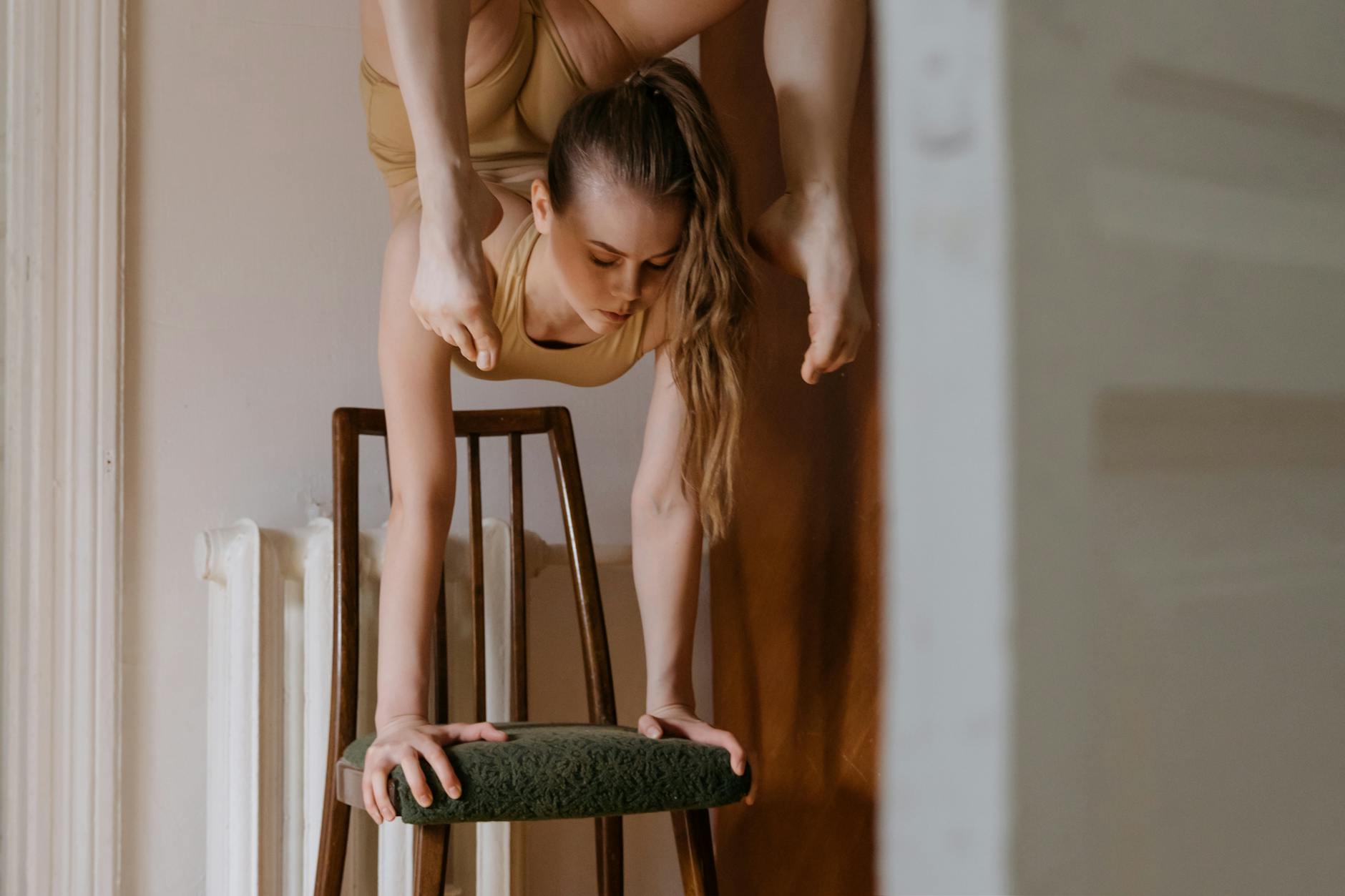
- Dynamic Stretching: Involve movements that are specific to an activity or sport you are preparing for. This could include leg swings before running or arm circles before swimming.
- Static Stretching: Involves holding a stretch for 20-30 seconds. Focus on areas that feel particularly tight, such as your hamstrings, shoulders, or lower back.
2. Include Yoga or Pilates in Your Routine
Both yoga and Pilates incorporate a variety of movements that improve flexibility, balance, and overall fitness. These practices also focus on breathing and mindfulness, which can help in reducing stress another aspect that might be affecting your flexibility as muscles can tense up under stress.
3. Stay Hydrated
Drinking plenty of water helps maintain the health of your muscles and joints. Hydrated tissues are more supple and less prone to stiffness.
4. Incorporate Strength Training
Building muscle can seem counterintuitive when you want to become more flexible, but they actually go hand-in-hand. Stronger muscles can support your joints better and improve the fluidity of your movements.
5. Consistency is Key
Improving flexibility is not a one-time task, but rather a continuous effort. Integrating regular flexibility exercises into your daily routine is crucial. Even 10-15 minutes a day can make a significant difference over time.
6. Get Expert Advice
If you find that your flexibility is not improving or if you are experiencing pain when you stretch, it might be wise to consult a doctor or physical therapist. They can provide personalised exercises and advice suitable for your needs.
Coping with Frustration and Setting Realistic Goals
It's normal to feel a bit frustrated if progress seems slow. However, it's important to set realistic expectations and celebrate small victories. Remember, increasing your flexibility is a gradual process, and it varies for each individual. Avoid comparing your flexibility to others, particularly because everyone's body is unique.
Set small, achievable goals, like reaching a bit further on a specific stretch each week, and track your progress. This method of goal-setting and tracking can also be uplifting and keep you motivated.
Summary
While having less flexibility can feel like a limitation, it doesn't have to hold you back from any physical goals you set for yourself. By understanding the components and influences on flexibility, actively including flexibility training in your routine, and setting realistic goals, you can improve your flexibility over time. More importantly, learning to appreciate your body for what it can do, rather than focusing on what it can't, is crucial.
How are you feeling?
It is really important that when we need help, we feel able to ask for it. This could be speaking to a parent, a close friend, a teacher or someone else you trust. Sometimes it can be really hard to share our feelings with other people but if we are feeling low or don't know where to turn, sharing with others is really important. Teachers will always take you seriously and listen to your problems in confidence if you approach them for help. Likewise, parents, siblings or friends will help you if you reach out to them.
If you feel like you can't speak to anyone you know, there are people and organisations that can help support you:
- Childline - Call them on 0800 1111 any time of the day or night, every day of the week
- NSPCC - Call them on 0808 800 5000 between 10am and 4pm Monday to Friday or email them on help@NSPCC.org.uk
- The Samaritans – Call them on 116 123 any time of the day or night, every day of the week
- SANE – Call 0300 304 7000 for support (4:30pm - 10:30pm every day)
- Mind – Call 0300 123 3393 (9:00am - 6:00pm Monday to Friday)
*Sometimes we will use real life examples in our articles to aid understanding. When we do, names and ages will be changed.