

















Let's get started...
Understanding Yoga: Is It Really That Boring?
Yoga, a practise rooted in ancient Indian philosophy, has become incredibly popular across the globe, touted for its physical, mental, and spiritual benefits. But what if, despite its popularity and acclaimed benefits, you find yoga boring? It's a common concern, especially among teenagers who are often drawn to more dynamic, high-intensity activities. If you're among those who think yoga isn't for them simply because it doesn't seem exciting, it's worth taking a deeper look at why this might be and how you can make it more engaging.
Why Might Yoga Seem Boring?
First, let's explore some reasons why yoga might not click for you:
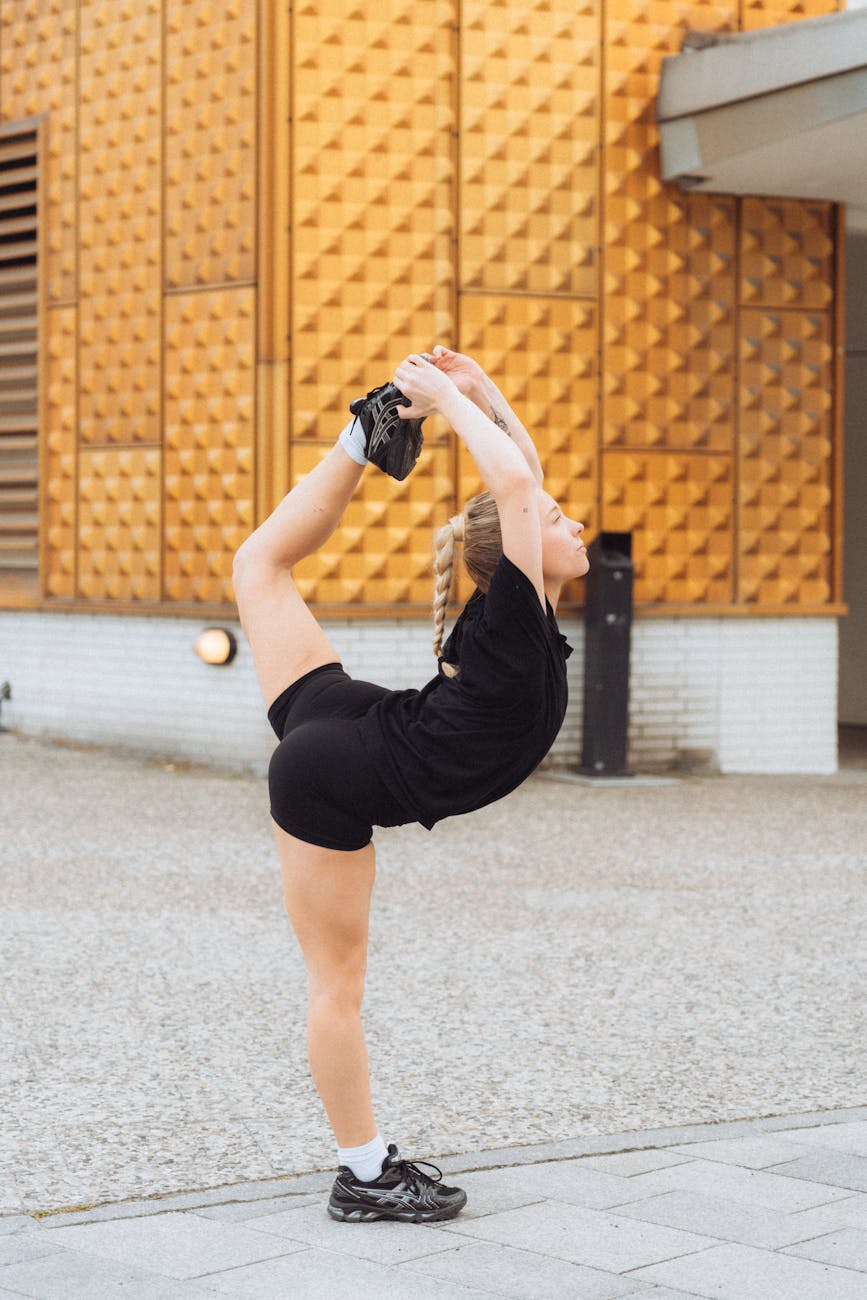
- Pace: Yoga often involves slow movements and sustained poses rather than the fast-paced activities you might be used to.
- Complexity: The subtlety of the movements and the focus required can sometimes feel less stimulating compared to activities that involve more overt physical exertion.
- Repetition: The repetitive nature of some yoga practices can be perceived as monotonous, especially if the variety is lacking in the routines.
- Environment: The calm and quiet environment typical of yoga sessions might contrast sharply with the high-energy environments you might prefer.
Identifying what about yoga feels boring to you can be a stepping stone toward making it a more interesting and enjoyable experience.
Real-Life Impact of Yoga on Young People
Before completely ruling out yoga, consider the potential benefits it can offer, even if you're not a fan at first. Yoga has been shown to improve physical health by enhancing flexibility, strength, and balance. It also poses significant benefits for mental health, including reduced anxiety, depression, and stress. For teenagers, managing stress and emotional fluctuations is crucial, and yoga can serve as a powerful tool for emotional regulation and mindfulness during these formative years.
Moreover, regular yoga practise can improve concentration and academic performance by enhancing cognitive functions and decreasing stress levels. It fosters a greater connection between mind and body, aiding in the development of self-awareness and self-esteem.
Turning Yoga into a Fun and Engaging Activity
If you're ready to give yoga another try or want to make it more exciting, here are some practical strategies that can help transform your yoga experience from boring to rejuvenating:
Choose the Right Style
Yoga comes in many forms from the gentle flows of Hatha yoga to the physically demanding poses of Ashtanga or Vinyasa. If one style doesn't suit you, try another! For those who thrive on intensity, styles like Power Yoga or Rocket Yoga might offer the dynamism and challenge you're looking for.
Integrate Music and Technology
Enhance your yoga sessions by integrating technology. Use apps that allow customisation of yoga routines or play energetic music that motivates you during the practise. This can transform the atmosphere of your workout and keep boredom at bay.
Vary Your Routine
Sticking to the same routines can be dull. Introduce variety by trying new poses, sequences, or incorporating yoga props like blocks, straps, and wheels to challenge yourself and keep learning.
Include Friends
Everything's more fun with friends, including yoga! Partner up to try partner yoga poses or attend a class together. Having a buddy can also help you stay motivated and committed.
Set Personal Goals
Whether it's mastering a particular pose or improving flexibility, setting goals gives you something to work towards. Achieving these can offer a rewarding experience and a sense of accomplishment.
practise Mindfulness
While yoga is physical, it's also a mental practise. Focus on the mindfulness aspects, like breathing techniques and meditation. These can significantly increase the mental health benefits and may make the practise more fulfilling.
Conclusion
Yoga doesn't have to be boring. By understanding what aspects don't appeal to you and employing strategies to make it more engaging, you can transform your yoga experience into something enjoyable and beneficial.
Remember, the key to enjoying yoga or any activity is to tailor it to fit your interests and needs. Experiment with different styles, settings, and pace until you find what genuinely excites you. This exploration not only makes yoga fun but also enhances your overall well-being, contributing positively to your fitness journey.
How are you feeling?
It is really important that when we need help, we feel able to ask for it. This could be speaking to a parent, a close friend, a teacher or someone else you trust. Sometimes it can be really hard to share our feelings with other people but if we are feeling low or don't know where to turn, sharing with others is really important. Teachers will always take you seriously and listen to your problems in confidence if you approach them for help. Likewise, parents, siblings or friends will help you if you reach out to them.
If you feel like you can't speak to anyone you know, there are people and organisations that can help support you:
- Childline - Call them on 0800 1111 any time of the day or night, every day of the week
- NSPCC - Call them on 0808 800 5000 between 10am and 4pm Monday to Friday or email them on help@NSPCC.org.uk
- The Samaritans – Call them on 116 123 any time of the day or night, every day of the week
- SANE – Call 0300 304 7000 for support (4:30pm - 10:30pm every day)
- Mind – Call 0300 123 3393 (9:00am - 6:00pm Monday to Friday)
*Sometimes we will use real life examples in our articles to aid understanding. When we do, names and ages will be changed.
