













Let's get started...
Introduction to Yoga and its Benefits
Yoga, an ancient practise originating from India, has evolved into a popular physical, mental, and spiritual discipline that is practised around the world. Yoga aims to create balance in the body through various postures, breathing techniques, and meditation. For teenagers, yoga can be an excellent way to relieve stress, boost concentration, improve posture, and enhance overall fitness.
Why Should Teenagers practise Yoga?
Amidst the fast-paced and often stressful life of a teenager, yoga can offer a much-needed escape. It helps in managing stress, promotes physical health, and improves mental focus something very beneficial during school years. Moreover, incorporating yoga into your daily routine can build self-esteem and body awareness, fostering a positive image and outlook.
Easy Yoga Poses to Get Started
Beginning yoga might seem daunting at first, but there are several simple poses that are perfect for beginners, and they don't require you to be extraordinarily flexible or have immense strength. Let's explore some easy yoga poses that can be incorporated into any beginner's routine.
1. Mountain Pose (Tadasana)
This pose is a foundation for all standing poses and helps improve posture, balance, and calm focus.
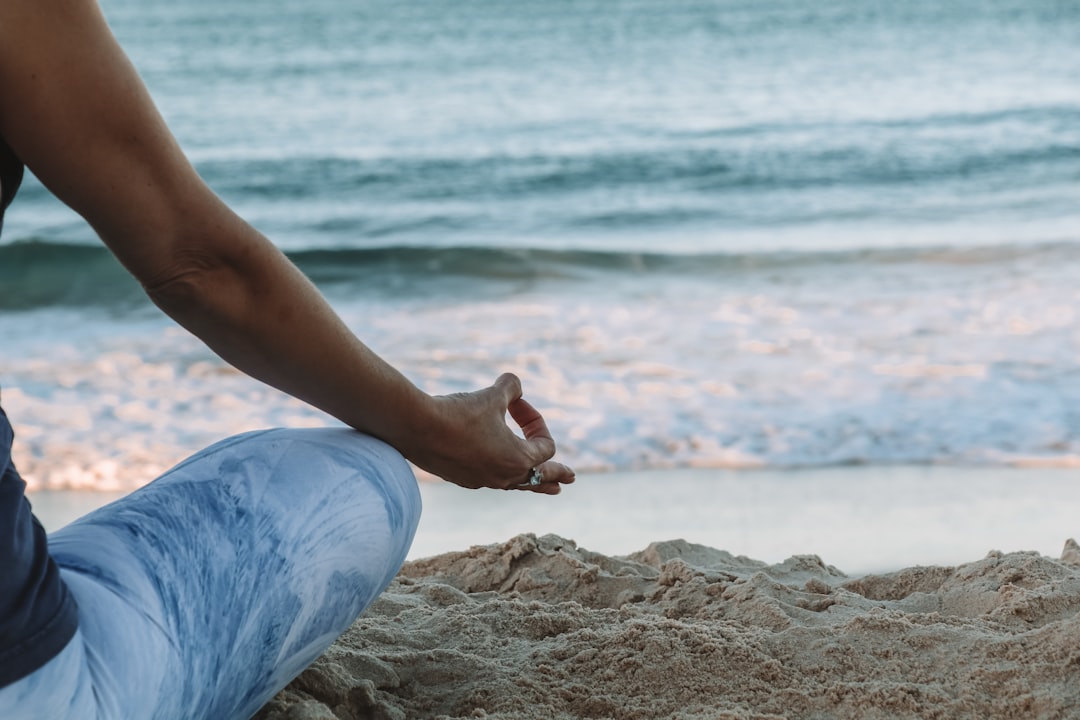
- Stand straight with your feet together.
- Spread your toes and place your weight evenly through both feet.
- Lift your knees upwards, engaging the thighs.
- Bring your arms along the sides of your body with the palms facing your thighs.
- Stand tall, extending the crown of your head towards the ceiling as you breathe deeply.
2. Cat-Cow Stretch (Chakravakasana)
This gentle sequence of movements helps ease the spine and warms up the body.
- Begin on your hands and knees, aligning your wrists under your shoulders and your knees under your hips.
- Inhale as you gently arch your back, tilting your tailbone and chin towards the ceiling (Cow Pose).
- Exhale as you round your back, drawing your belly to your spine and the crown of your head towards your tailbone (Cat Pose).
- Continue this movement, following the pace of your own breath.
3. Warrior II (Virabhadrasana II)
This is a strong standing pose that builds stamina and concentration.
- Stand with your feet about 3 to 4 feet apart.
- Turn your right foot out 90 degrees and your left foot in slightly.
- Extend your arms out to the sides, keeping them parallel to the floor.
- Bend your right knee until it is over your right ankle.
- Gaze out over your right hand, while keeping your torso perpendicular to the floor.
- Hold the position, breathe evenly before switching to the other side.
4. Tree Pose (Vrksasana)
Tree pose helps to improve balance and strengthen the legs.
- Stand in Mountain Pose.
- Shift your weight onto your right foot, planting it firmly on the ground.
- Bend your left knee and place your left foot on your right thigh, calf (not on the knee), or ankle with your toes touching the floor for balance.
- Press your palms together in prayer position at your chest, or raise them over your head for more of a challenge.
- Maintain the pose for several breaths then switch legs.
Bringing Yoga Into Your Daily Routine
Incorporating the above poses into a daily or weekly routine doesn't need to be time-consuming. Even a short 10-15 minutes session can yield significant benefits. Here are some strategies to help you get the most out of your practise:
- Consistency is key: Try to perform yoga at the same time each day to establish a routine.
- Find a comfortable space: Make sure you have a quiet and comfortable space to practise without interruptions.
- Use guided resources: Utilise online videos or apps for guided instructions, which are particularly useful when you are just starting out.
- Listen to your body: Always work within your own range of limits and abilities. If you feel any pain, gently ease out of the pose.
- End with relaxation: Finish your yoga session with a relaxation pose, like lying on your back and breathing deeply for several minutes.
Conclusion
Yoga is a versatile activity that not only strengthens your body but also calms your mind. Starting with these easy poses can encourage a positive outlook and a healthier lifestyle. Remember, the goal of yoga is progress, not perfection. Enjoy the journey as you explore what works best for you and discover the benefits of regular practise.
How are you feeling?
It is really important that when we need help, we feel able to ask for it. This could be speaking to a parent, a close friend, a teacher or someone else you trust. Sometimes it can be really hard to share our feelings with other people but if we are feeling low or don't know where to turn, sharing with others is really important. Teachers will always take you seriously and listen to your problems in confidence if you approach them for help. Likewise, parents, siblings or friends will help you if you reach out to them.
If you feel like you can't speak to anyone you know, there are people and organisations that can help support you:
- Childline - Call them on 0800 1111 any time of the day or night, every day of the week
- NSPCC - Call them on 0808 800 5000 between 10am and 4pm Monday to Friday or email them on help@NSPCC.org.uk
- The Samaritans – Call them on 116 123 any time of the day or night, every day of the week
- SANE – Call 0300 304 7000 for support (4:30pm - 10:30pm every day)
- Mind – Call 0300 123 3393 (9:00am - 6:00pm Monday to Friday)
*Sometimes we will use real life examples in our articles to aid understanding. When we do, names and ages will be changed.