

















Let's get started...
Understanding Yoga and its Risks
Yoga, an ancient practise that originated in India over 5,000 years ago, has become a popular form of exercise and relaxation among people of all ages around the world, including teenagers like yourself. It is well-loved for its ability to improve flexibility, strength, balance, and mental health. However, like any physical activity, yoga isn't without risks, and it's important to know about these to practise safely.How Can Yoga Affect Teenagers?
As a teenager, your body is still developing, and your muscles, bones, and joints are growing. Yoga can be highly beneficial during these formative years, helping with physical development and providing a mental escape from the stresses of school and social life. It can boost your mood, decrease anxiety, and even improve your concentration and memory a great advantage when you're juggling homework, exams, and other activities. However, despite the numerous benefits, there can be downsides if yoga is not practiced correctly. For instance, attempting advanced poses without adequate experience or proper guidance can lead to strains or injuries.Common Yoga Injuries and Their Causes
While yoga is generally a low-impact activity, injuries can still occur, particularly if poses are performed incorrectly: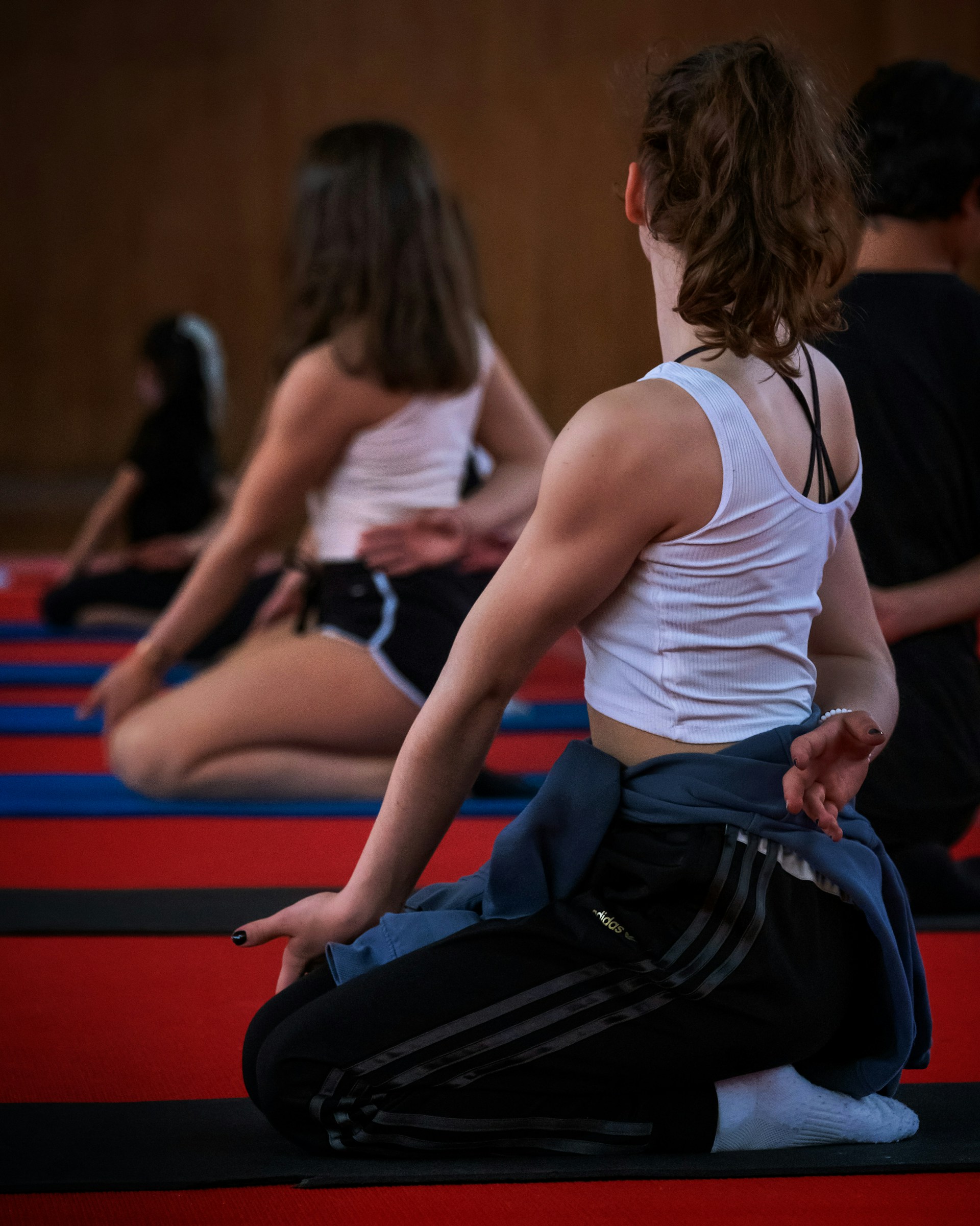
- Strains and Sprains: These are the most common injuries and can occur in the wrists, shoulders, neck, back, and knees. Overstretching or holding a pose for too long can strain muscles and ligaments.
- Joint Injuries: Certain yoga poses can put a lot of pressure on joints, which can be harmful, especially if you have any pre-existing joint issues or if the poses are done without proper alignment.
- Repetitive Strain Injuries: These can happen from performing the same poses frequently, especially if they put strain on specific parts of the body, like the wrists in poses like Downward Dog or Chaturanga.
Strategies for Safe Yoga practise
To gain the benefits of yoga safely, here are some strategies you can follow:1. Choose the Right Class or Style
Yoga comes in various styles, from the slow-paced Hatha yoga, which is good for beginners, to the more physically demanding Ashtanga or Vinyasa yoga. When starting, it's wise to choose beginner-friendly classes that focus on learning the correct form of each pose.2. Use Proper Equipment
Ensure that you have a good quality, non-slip yoga mat to help provide support and prevent injuries. Yoga blocks and straps can also be helpful to maintain balance and alignment, especially when you're working on more challenging poses.3. Listen to Your Body
One of the fundamental principles of yoga is being aware of your body and it's limits. Never push yourself to pain during your practise. If a pose feels uncomfortable, try to modify it or use props. Remember, yoga is not about competition; it's about personal growth and wellbeing.4. Keep Hydrated and Nourished
Ensure you're well hydrated and have eaten adequately before your yoga practise. Doing yoga on a full stomach can be uncomfortable, but practicing on an empty stomach might leave you feeling weak and dizzy.5. Work With Experienced Teachers
Seek out experienced teachers who are familiar with the needs of teenagers in yoga. Good teachers will correct your posture, suggest modifications, and can tailor sessions that best suit your age and fitness level.6. Warm-Up and Cool Down
Guaranteed, yoga can sometimes look and feel gentle, but it's crucial to prepare your body for the session with a proper warm-up and to conclude with a cool-down period to relax your muscles.In Review
Practicing yoga can provide numerous physical and mental benefits, helping cope with the pressures of teenage life. However, yoga must be approached with caution, especially by beginners. By understanding and managing the risks, choosing suitable classes, using the right equipment, listening to your body, staying hydrated, and working with experienced instructors, you can enjoy all that yoga has to offer safely. There's no need to fear yoga if you're aware of the risks and know how to avoid them. Yoga should be a rewarding part of your routine that boosts your wellbeing and supports your development.How are you feeling?
It is really important that when we need help, we feel able to ask for it. This could be speaking to a parent, a close friend, a teacher or someone else you trust. Sometimes it can be really hard to share our feelings with other people but if we are feeling low or don't know where to turn, sharing with others is really important. Teachers will always take you seriously and listen to your problems in confidence if you approach them for help. Likewise, parents, siblings or friends will help you if you reach out to them.
If you feel like you can't speak to anyone you know, there are people and organisations that can help support you:
- Childline - Call them on 0800 1111 any time of the day or night, every day of the week
- NSPCC - Call them on 0808 800 5000 between 10am and 4pm Monday to Friday or email them on help@NSPCC.org.uk
- The Samaritans – Call them on 116 123 any time of the day or night, every day of the week
- SANE – Call 0300 304 7000 for support (4:30pm - 10:30pm every day)
- Mind – Call 0300 123 3393 (9:00am - 6:00pm Monday to Friday)
*Sometimes we will use real life examples in our articles to aid understanding. When we do, names and ages will be changed.
