

















Let's get started...
Introduction to Yoga at Home
Yoga, an ancient practise rooted in Indian philosophy, has grown in popularity across the globe due to its extensive benefits on mental and physical health. Traditionally, yoga was taught by gurus in ashrams. However, in the modern world, yoga practices have adapted to newer forms, making it accessible to everyone, including teenagers like yourself, from the comfort of home. Engaging in yoga at home not only saves time and money but also encourages a personalised rhythm and routine, free from the pressures of a group environment.
The Benefits of Practicing Yoga for Teenagers
As a teenager, you're at a critical stage of life filled with changes, stress, and challenges. Practicing yoga can significantly benefit you by improving flexibility, strength, and posture. It promotes better breathing and relaxation techniques, helping to manage stress and anxiety. Moreover, yoga enhances concentration and memory, which are crucial for academic success. Regular practise also boosts self-esteem and body awareness, promoting a healthy relationship with your body and self-image.
Starting Your Yoga Journey from Home
Beginning yoga at home can seem intimidating at first, but it can be a rewarding experience with the right approach. Here are some practical strategies and tips:
1. Create a Comfortable Space
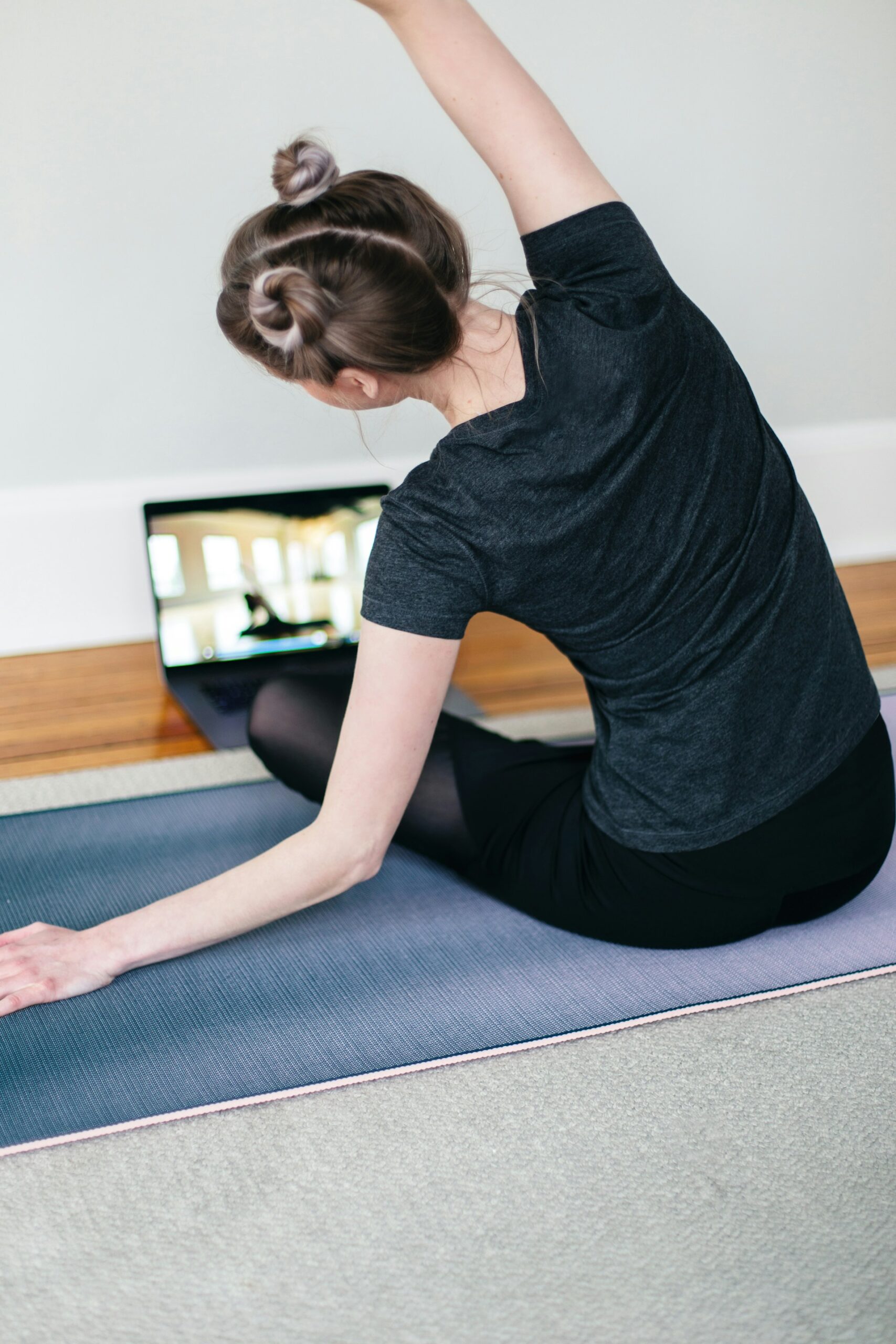
- Choose a Quiet Spot: Find a quiet corner in your home that is free from distractions. This could be your bedroom, a study, or even a section of your living room.
- Get the Gear: Invest in a good quality yoga mat, which provides cushioning and grip. Additionally, having a few blocks, a strap, and a blanket can be helpful aids for your practise.
2. Utilise Online Resources
- YouTube Channels: Platforms like YouTube host numerous yoga instructors with classes that vary by length, style, and level. Channels such as Yoga With Adriene are popular among beginners for their user-friendly tutorials.
- Apps and Websites: Apps like Daily Yoga and Down Dog offer guided sessions and structured plans that can be customised to your preference and schedule.
3. Establish a Routine
Consistency is key in yoga. Try to set a specific time each day or several days a week for your yoga practise. This builds a habit and integrates yoga into your daily life. Morning sessions can be energising for the day ahead, while evening sessions might help you unwind before sleep.
4. Begin with Basics
Start with basic poses and sequences, such as sun salutations, which are foundational to many yoga practices. Understanding the foundations will help you gradually progress into more advanced poses and sequences, reducing the risk of injury.
5. Listen to Your Body
Yoga is not about competition. Listen to your body and respect its limits. Yoga should not hurt. If you feel any sharp pain, gently back out of the pose and consider a modified version. This awareness and sensitivity can prevent injuries and enhance your practise over time.
Integrating Yoga into Your Lifestyle
Yoga is more than just physical exercise; it's also about mental wellbeing. Integrating mindfulness and meditation into your routine enhances the benefits of the physical exercise. Spending a few minutes in meditation after your yoga practise can improve your mental clarity and stress management.
Overcoming Challenges
Staying motivated can be challenging, especially when practicing alone at home. Set small, achievable goals and celebrate when you reach them. Involve friends or family members who might be interested in starting their yoga journey as well. This can add a fun, communal aspect to your practise, keeping the motivation high.
The Bottom Line
Embarking on a yoga journey from home can be an enriching experience, providing you with tools to enhance both your physical and mental health. With the right approach and resources, you can build a yoga routine that fits seamlessly into your lifestyle, promoting a balanced and healthy development during your teenage years.
How are you feeling?
It is really important that when we need help, we feel able to ask for it. This could be speaking to a parent, a close friend, a teacher or someone else you trust. Sometimes it can be really hard to share our feelings with other people but if we are feeling low or don't know where to turn, sharing with others is really important. Teachers will always take you seriously and listen to your problems in confidence if you approach them for help. Likewise, parents, siblings or friends will help you if you reach out to them.
If you feel like you can't speak to anyone you know, there are people and organisations that can help support you:
- Childline - Call them on 0800 1111 any time of the day or night, every day of the week
- NSPCC - Call them on 0808 800 5000 between 10am and 4pm Monday to Friday or email them on help@NSPCC.org.uk
- The Samaritans – Call them on 116 123 any time of the day or night, every day of the week
- SANE – Call 0300 304 7000 for support (4:30pm - 10:30pm every day)
- Mind – Call 0300 123 3393 (9:00am - 6:00pm Monday to Friday)
*Sometimes we will use real life examples in our articles to aid understanding. When we do, names and ages will be changed.
