

















Let's get started...
Understanding Healthy Snacking
In a world where snacking has become more frequent due to hectic schedules and easy access to a variety of food options, making healthy choices can be challenging, especially for teenagers who are continuously bombarded with options. Snacking healthily is crucial not just for maintaining an ideal weight, but for ensuring your body gets the nutrients it needs as you grow. Healthy snacks are those that provide good nutrition and keep you full and satisfied between meals. They play an essential role in adding to your daily intake of essential nutrients. Proper snacking can contribute positively to your overall health, providing energy, aiding in weight management, and delivering the needed boost to get you through school and extra-curricular activities.The Impact of Choosing Healthy Snacks
For teenagers, choosing healthy snacks over less nutrient-dense options can have a significant impact on various aspects of life. Physically, healthy snacks contribute to better growth and development. Emotionally and mentally, the right snacks can enhance mood stability, improve concentration and overall brain function, which are critical as you navigate through both the complexity of adolescence and schoolwork. The immediate benefit's of choosing healthy snacks include longer-lasting energy and a better understanding of what it means to eat in moderation. This can also establish a foundation for healthy eating habit's that extend into adulthood.Practical Healthy Snack Options
Choosing the right snacks can sometimes be tricky, especially with so many options available. Here are some healthy snack ideas that are both delicious and beneficial.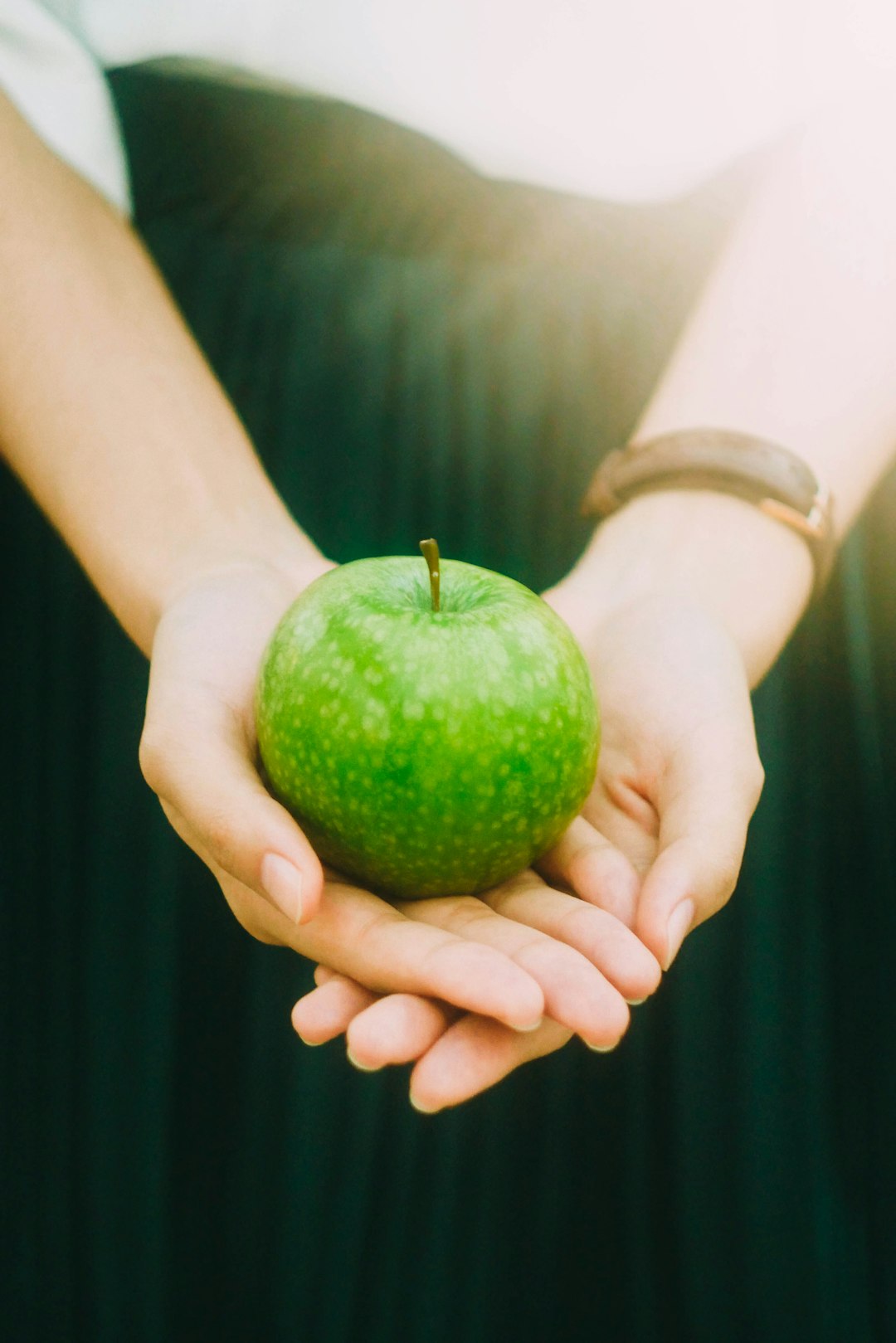
- Fruit's and Vegetables: Always a quick, easy, and nutritious choice. Carrot sticks, apple slices, a banana, or a small bowl of mixed berries offer vitamins and fibre that are essential for your health.
- Nuts and Seeds: A small handful of almonds, walnuts, or sunflower seeds can provide a good dose of healthy fats and protein, which are important for brain health and keeping you full.
- Whole Grains: Snacks like air-popped popcorn or whole-grain crackers can be a good source of fibre. Pairing these with hummus or cheese can add extra flavour and nutrients.
- Yoghurt and Dairy: A small pot of low-fat yoghurt or a piece of cheese provides calcium, which is crucial during your teenage years to build strong bones.
- Smoothies: Combining fruits, vegetables, and a protein source like yoghurt or almond milk can make for a nutritious, filling snack that is also hydrating.
Strategies to Incorporate Healthy Snacks into Your Diet
Plan Your Snacks
Just like meals, planning your snacks can prevent you from making impulsive decisions when you're extremely hungry. Prepare or pack your snacks ahead of time to avoid turning to the vending machine or convenience store.Keep Portions in check
Even healthy snacks need to be eaten in moderation. Using small plates or bags to portion your snacks can help avoid overeating.Mix and Match
Try combining different food groups in your snacks to balance the nutrients. For example, eating an apple with a small handful of nuts provides both fibre and protein, which can help you feel full longer.Understanding Labels
When choosing packaged snacks, reading nutrition labels is key in identifying what is truly healthy. Look for snacks low in sugar, high in fibre, and with as few artificial ingredients as possible.Hydration is Key
Often hunger is actually thirst in disguise. Make sure to drink adequate water throughout the day which can also help in reducing unnecessary snacking. By incorporating these healthy snacking strategies, you cater not only to your taste buds but also to your overall health and well-being. It paves the way for enhanced academic performance, better physical health, and emotional stability all of which are crucial during your teenage years.How are you feeling?
It is really important that when we need help, we feel able to ask for it. This could be speaking to a parent, a close friend, a teacher or someone else you trust. Sometimes it can be really hard to share our feelings with other people but if we are feeling low or don't know where to turn, sharing with others is really important. Teachers will always take you seriously and listen to your problems in confidence if you approach them for help. Likewise, parents, siblings or friends will help you if you reach out to them.
If you feel like you can't speak to anyone you know, there are people and organisations that can help support you:
- Childline - Call them on 0800 1111 any time of the day or night, every day of the week
- NSPCC - Call them on 0808 800 5000 between 10am and 4pm Monday to Friday or email them on help@NSPCC.org.uk
- The Samaritans – Call them on 116 123 any time of the day or night, every day of the week
- SANE – Call 0300 304 7000 for support (4:30pm - 10:30pm every day)
- Mind – Call 0300 123 3393 (9:00am - 6:00pm Monday to Friday)
*Sometimes we will use real life examples in our articles to aid understanding. When we do, names and ages will be changed.
