

















Let's get started...
Working out at the gym is a great way to get fit and healthy, but what you eat before and after you exercise is just as important as the workout itself. The right foods can help you energise your session and recover properly afterwards. So, what should you really be eating?
Why Your Pre and Post-Gym Meals Matter
When you exercise, your body uses up energy stored in the form of glycogen found in your muscles. Eating the right foods before you head to the gym ensures you have enough energy to power through your workout. Meanwhile, after exercising, the right nutrition helps repair muscle tissues and replenish spent energy stores. That's why your pre and post-gym meals are crucial.
Best Foods to Eat Before the Gym
Eating something before you exercise can help you perform better and even increase the number of calories you burn. Here are some ideas:
- Bananas: Known as nature's power bar, bananas are packed with potassium and simple carbs, which are easy on your stomach and can boost your muscle and nerve function.
- Oats: Oats release carbohydrates gradually. Due to this slow release, energy levels are kept consistent throughout your workout, meaning you can train harder for longer.
- Wholegrain bread: A slice of wholegrain bread is a good source of carbs. Top it with jam or honey for a quick energy boost, or with a boiled egg or low-fat turkey for added protein.
- Grilled chicken, broccoli, and sweet potato: If you're into evening workouts, this combo provides excellent balanced nutrition with carbs, proteins, and essential nutrients.
Remember, timing is key! It's ideal to eat your pre-workout meal around 30 to 60 minutes before hitting the gym. This gives your body enough time to digest the food and start metabolising the energy.
Best Foods to Eat After the Gym
Post-workout meals are all about recovery and preparing for the next workout. Here are some nutritious options:
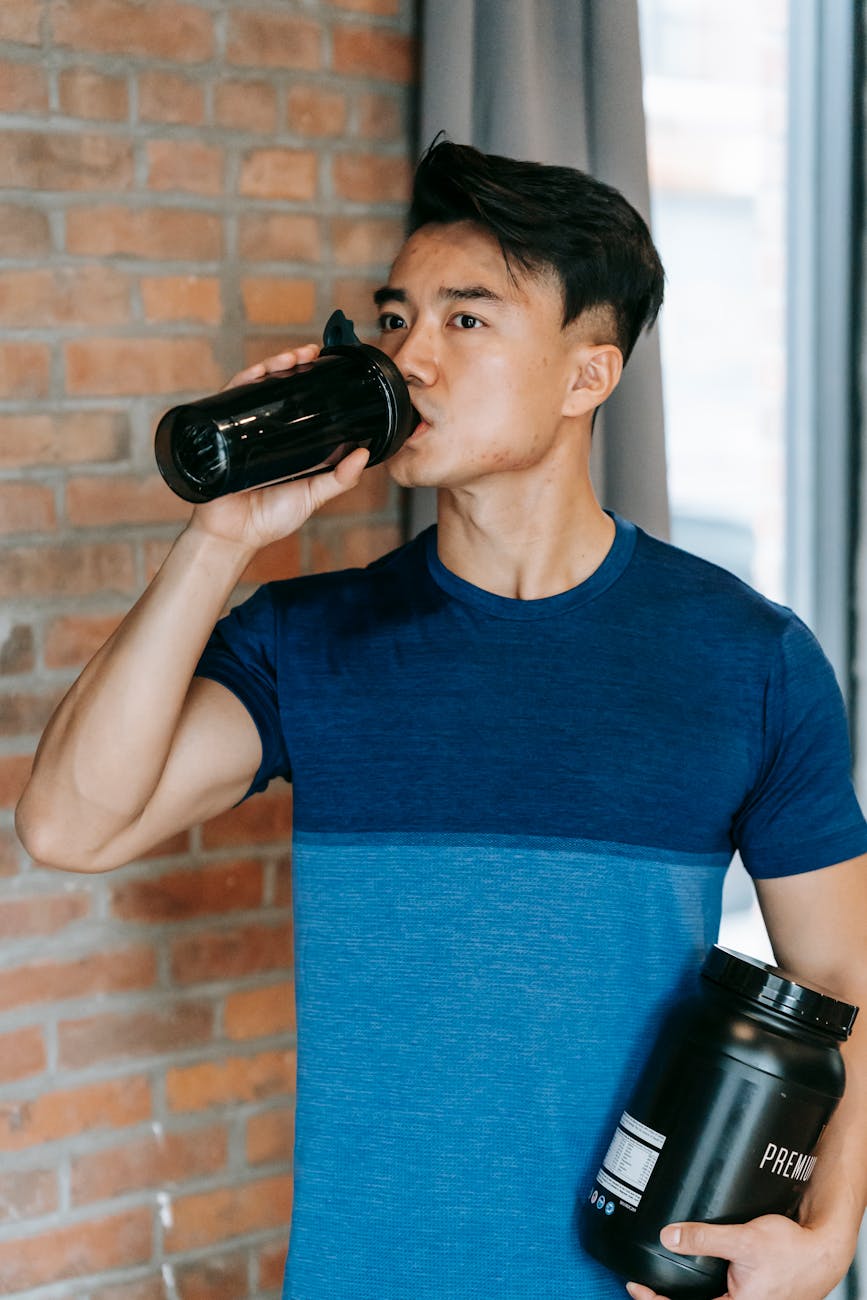
- Protein shake: Protein shakes can rapidly kick start recovery by contributing to muscle protein synthesis. Add a scoop of your favourite protein powder to water or almond milk, blend with a banana, and you're good to go!
- Yoghurt and berries: Yoghurt is rich in protein, while berries are packed with antioxidants that help decrease muscle soreness.
- Cottage cheese: It's high in casein, a slow-digesting protein that's perfect for muscle maintenance, especially if you won't eat again soon.
- Chicken or salmon with vegetables: A hearty meal containing lean protein and vegetables will fill you up and help repair muscles.
It's best to eat within 45 minutes after exercising when your body's ability to rebuild glycogen and protein is enhanced. A good balance of protein and carbs does wonders here.
Understanding Your Body
Everyone's body reacts differently to different foods and timings. It's important to listen to your body and see how it responds to various pre and post-workout meals. If you notice you feel sluggish at the gym after eating a certain food, try something different next time. Keep a simple food diary to note what works and what doesn't. This will help you find the perfect meal plan that suits your workout routine.
Staying Hydrated
While solid food can help fuel your workouts, staying hydrated is equally vital. Water is crucial when it comes to the physical performance of workouts. Ensure you drink enough water throughout the day, not just before or after your gym session. A good rule is to drink at least 500ml of water two hours before working out. Keep sipping during your workout and rehydrate after to make up for any fluid lost through sweat.
Practical Tips for Your Nutrition and Workout Success
Here are a few practical strategies to incorporate effective eating habits with your gym routine:
- Plan Ahead: Prepare your meals in advance. This will save you from grabbing something less nutritious just because it's convenient.
- Know Your Portions: Understanding portion sizes can help prevent overeating, especially post-workout when you might feel very hungry.
- Vary Your Nutrition: While it might be easy to eat the same things every day, variety in your diet makes sure you get all necessary nutrients and keeps meals interesting.
Eating right and exercising are both parts of a broader approach to health and fitness. By fuelling your body with the right foods at the right times, you'll not only perform better in the gym, but you'll also improve your overall health and wellbeing. And remember, the best diet for you is one that fits into your lifestyle and tastes! Experiment, listen to your body, and find what makes you feel like a champion in and out of the gym.
How are you feeling?
It is really important that when we need help, we feel able to ask for it. This could be speaking to a parent, a close friend, a teacher or someone else you trust. Sometimes it can be really hard to share our feelings with other people but if we are feeling low or don't know where to turn, sharing with others is really important. Teachers will always take you seriously and listen to your problems in confidence if you approach them for help. Likewise, parents, siblings or friends will help you if you reach out to them.
If you feel like you can't speak to anyone you know, there are people and organisations that can help support you:
- Childline - Call them on 0800 1111 any time of the day or night, every day of the week
- NSPCC - Call them on 0808 800 5000 between 10am and 4pm Monday to Friday or email them on help@NSPCC.org.uk
- The Samaritans – Call them on 116 123 any time of the day or night, every day of the week
- SANE – Call 0300 304 7000 for support (4:30pm - 10:30pm every day)
- Mind – Call 0300 123 3393 (9:00am - 6:00pm Monday to Friday)
*Sometimes we will use real life examples in our articles to aid understanding. When we do, names and ages will be changed.
