













Let's get started...
Have you ever heard someone talk about eating a balanced diet and wondered what it actually means? It sounds like it could just be having a bit of everything, but there's a bit more to it than that. Let's dive into what a balanced diet really is, why it's important, especially for someone like you, and how you can make smart food choices without it feeling like a chore.
Understanding a Balanced Diet
A balanced diet isn't about strict limitations or staying unrealistically thin. It's about ensuring your body gets all the different kinds of foods it needs to function at its best. Imagine your body as a complex machine; each part needs certain types of fuel to run smoothly. Your body is like a complex machine, needing fuel from different food groups to be healthy.
What Are the Main Food Groups?
Typically, a balanced diet is built upon these main food groups:
- Fruits and Vegetables: These are packed with vitamins, minerals, and fibre. Aim for a variety of colours on your plate because each colour often represents different nutrients.
- Proteins: This group includes meat, fish, eggs, and vegetarian alternatives like beans and lentils. Proteins are essential for muscle repair and growth.
- Dairy and Dairy Alternatives: Foods like milk, cheese, and yoghurt provide calcium, which is vital for strong bones and teeth. Dairy alternatives include soy or almond milk.
- Starchy Foods: Bread, rice, potatoes, and pasta are great sources of energy. Choose whole grain versions when you can as they contain more nutrients and keep you feeling full longer.
- Fats and Sugars: Yes, your body does need some fat, but it's important to choose small amounts of healthy fats like those found in nuts, seeds, and olive oil. Sugars should be enjoyed in moderation.
Why Is a Balanced Diet Important?
As a teenager, you're still growing and developing, and the right nutrition is crucial. Eating well can help you not only physically, by improving your strength and energy levels, but also mentally, by enhancing your mood and concentration. Plus, developing good eating habits now can help you keep up these habits as an adult.
How Does a Balanced Diet Affect You?
A balanced diet can impact almost every aspect of your life. Let's look at a few examples:
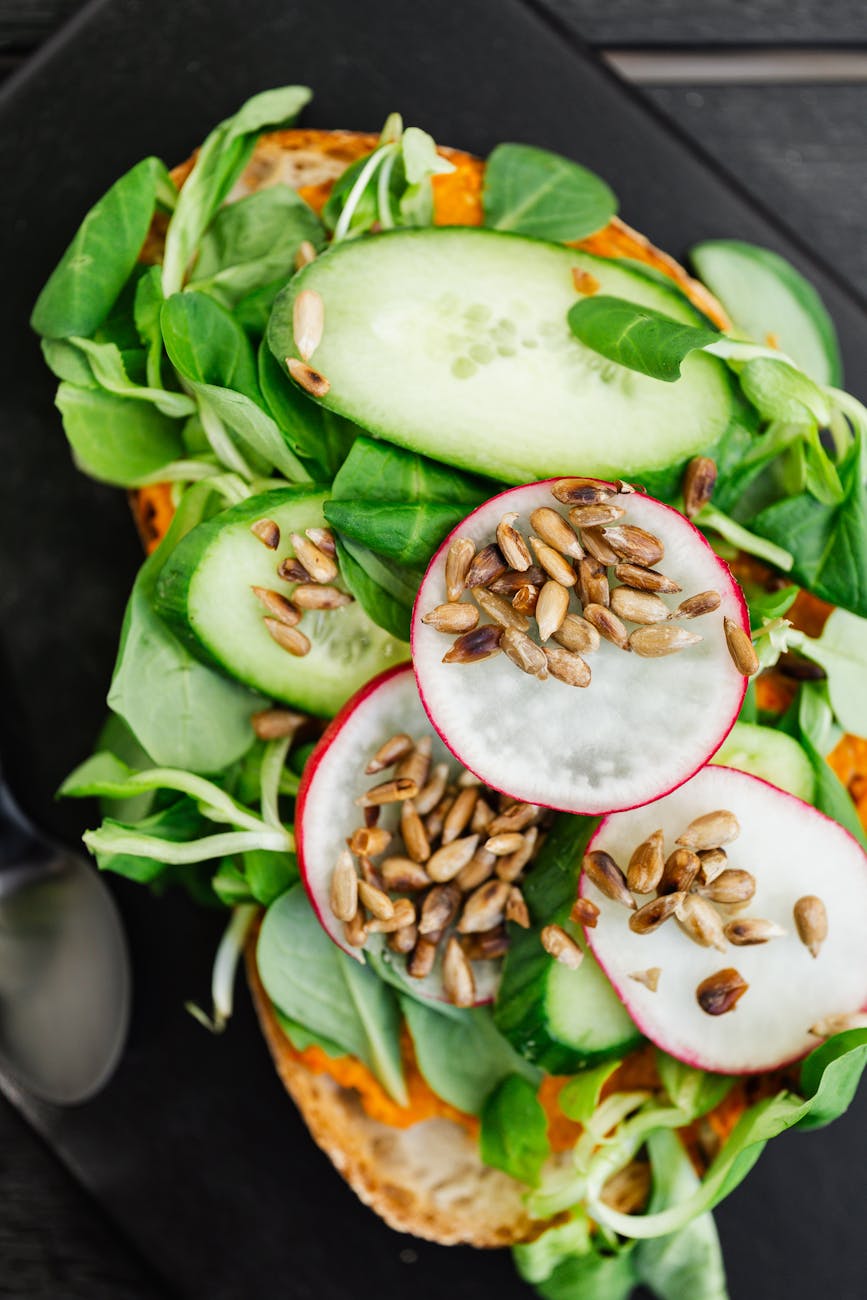
- School Performance: Eating a breakfast rich in protein and whole grains can help improve your concentration and memory throughout the day. This means you could perform better in exams or understand new topics more easily.
- Sports and Hobbies: Regular intake of carbohydrates, proteins, and healthy fats fuels your body for all kinds of activities, whether you're into football, rugby, netball, dancing, or chess. Yes, even brain activities burn energy!
- Social Life: Food is a big part of social interactions. Understanding what makes up a balanced diet can help you make smarter choices when eating out with friends, without feeling left out.
- Mental Health: Foods rich in omega-3 fatty acids, like certain fish, can boost brain function and mood. Meanwhile, a diet high in junk food has been linked to higher rates of depression and anxiety.
Practical Strategies for a Balanced Diet
Knowing about balanced diets is great, but how do you practically fit this into your everyday life, especially with school, hobbies, and your social life? Here are some tips:
- Start with Breakfast: Try porridge with fresh fruits, a piece of whole grain toast with a boiled egg, or a smoothie made with Greek yoghurt and berries.
- Smart Snacking: Replace crisps and biscuits with nuts, seeds, yoghurt, or a piece of fruit. Not only are these snacks healthier, but they'll keep you fuller for longer.
- Hydration: Drink plenty of water throughout the day. Sometimes when you think you're hungry, you might just be dehydrated.
- Packed Lunches: Prepare your own lunch if you can. This way, you control what you're eating and can ensure it's balanced. A sandwich with lean meat or hummus, some cut veggies, a piece of fruit, and a dairy item like a yoghurt is a good example.
- Get Involved in Cooking: Learning to cook is a useful life skill. It can be fun and is a great way to understand what goes into your food. Try making dinner once a week for your family.
- Dining Out: When eating out, look for grilled, not fried options, and load up on veggies wherever possible. For example, choose a grilled chicken wrap instead of a fried chicken burger.
Remember, balance is key. It's okay to have treats and enjoy less healthy food occasionally. What's important is making sure they're just part of what you eat, not all of it.
Final Thoughts
So, a balanced diet involves mixing foods from all the essential food groups in the right quantities to get the nutrients you need, which fuels everything you do from studying to hanging out with friends. It's about eating a variety of foods, not restricting yourself, and enjoying your meals while making sure you give your body what it needs to stay happy and healthy.
How are you feeling?
It is really important that when we need help, we feel able to ask for it. This could be speaking to a parent, a close friend, a teacher or someone else you trust. Sometimes it can be really hard to share our feelings with other people but if we are feeling low or don't know where to turn, sharing with others is really important. Teachers will always take you seriously and listen to your problems in confidence if you approach them for help. Likewise, parents, siblings or friends will help you if you reach out to them.
If you feel like you can't speak to anyone you know, there are people and organisations that can help support you:
- Childline - Call them on 0800 1111 any time of the day or night, every day of the week
- NSPCC - Call them on 0808 800 5000 between 10am and 4pm Monday to Friday or email them on help@NSPCC.org.uk
- The Samaritans – Call them on 116 123 any time of the day or night, every day of the week
- SANE – Call 0300 304 7000 for support (4:30pm - 10:30pm every day)
- Mind – Call 0300 123 3393 (9:00am - 6:00pm Monday to Friday)
*Sometimes we will use real life examples in our articles to aid understanding. When we do, names and ages will be changed.