













Let's get started...
Understanding Hydration: What Does It Mean for You?
Hydration might sound like a fancy word, but it simply means making sure your body has enough water to function properly. Water is crucial for your body because it helps with loads of things - from making sure your brain works well so you can focus on your homework, to keeping your skin healthy and even helping you digest food.
Why Is Water So Important?
Let's break down why water is a big deal for our bodies. Firstly, about 60% of your body is just water. So, it plays a massive role in how nearly every part of your body works. For example, water helps carry nutrients and oxygen to cells, regulates body temperature (keeps you cool), and keeps joints lubricated (which is great if you love sports).
Also, staying hydrated helps you concentrate better in class and keeps your energy levels up. Ever felt really tired after a long day at school? Sometimes, it might just be because you haven't drunk enough water!
How Much Water Should You Be Drinking?
As a guideline, it's often suggested that teenagers should aim to drink about 1.5 to 2 litres of water a day. However, this can seem a bit vague. The exact amount can actually vary because of different factors like how active you are or the weather (you might need to drink more on a hot day).
Can You Drink Too Much Water?
Yes, it is possible to drink too much water, which can dilute the salts in our body, leading to something called hyponatremia. However, this is quite rare. Most people don't drink enough water, rather than too much.
How to Know If You're Hydrated
A simple way to check if you're drinking enough is to look at the colour of your wee. If it's light yellow, like straw, you're probably doing fine. If it's dark, like apple juice, that might be a sign to drink a bit more water.
Practical Strategies to Stay Hydrated
So, how can you make sure you're getting enough water every day? Here are some easy ideas:
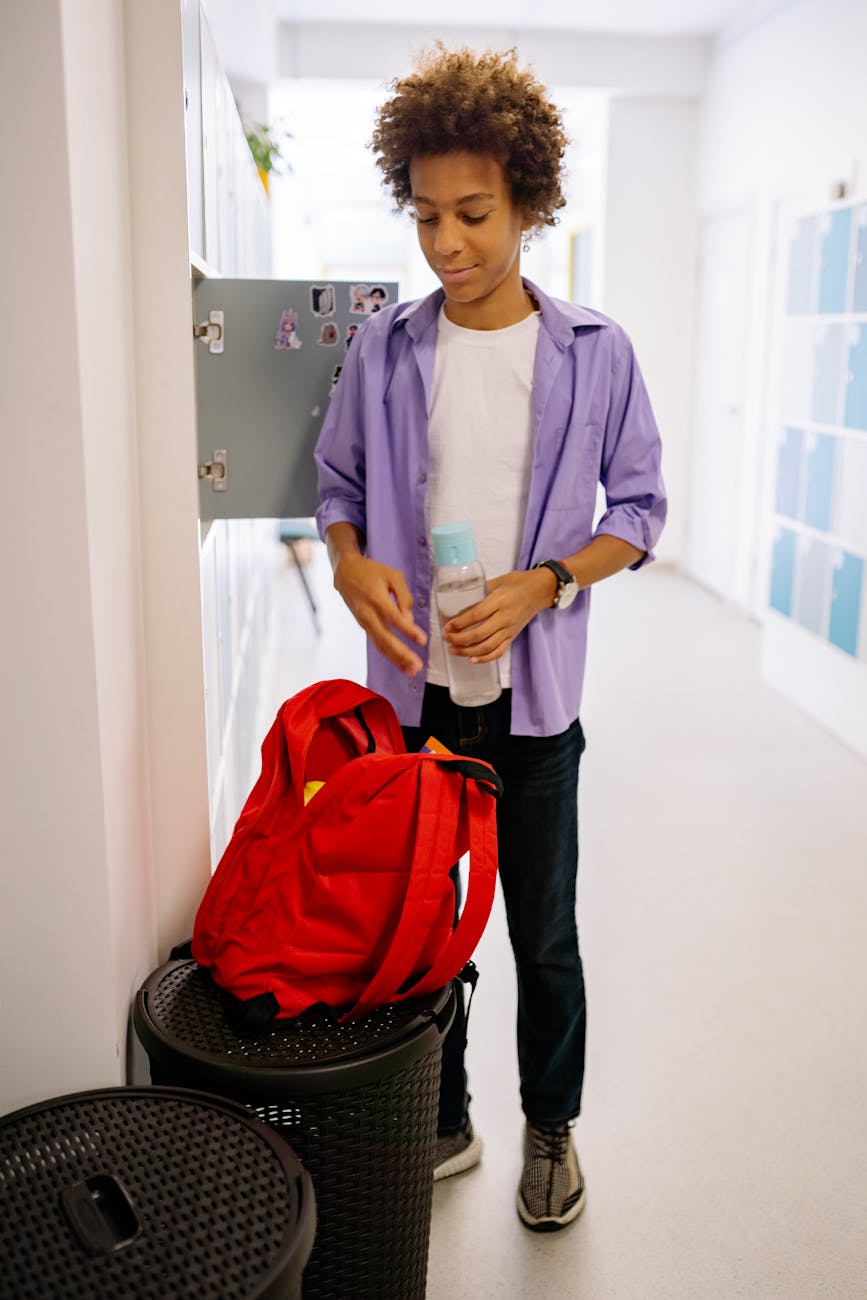
- Carry a water bottle: Have a water bottle with you at school. It's an easy reminder to drink water throughout the day.
- Eat water-rich foods: Did you know that fruits and veggies like cucumbers, melons, oranges, and strawberries are full of water? Adding these to your lunch can boost your hydration.
- Set reminders: If you often forget to drink water, try setting reminders on your phone. A quick prompt can help you remember to take a sip.
- Flavour your water: If you find plain water boring, try adding slices of fruits like lemon, lime, or berries to make it more interesting.
Other Sources of Hydration
Besides water, there are other fluids like milk, juices, and even tea that contribute to your daily water intake. Just be mindful of the sugar content in some of these drinks, as too much sugar isn't great for your health.
What About Sports Drinks?
Sports drinks can be helpful if you're doing intense exercise for a long time, like playing in a tournament or doing your Duke of Edinburgh hike. They help replace salts, sugars, and other important nutrients. However, for most school sports or regular days, water is just fine.
What Happens if You Don't Drink Enough?
Not drinking enough water can lead to dehydration. Symptoms of mild dehydration include headaches, feeling dizzy or tired, and dry lips or skin. It's particularly important to drink more if you're physically active or if it's a hot day.
Hydration and Health
Keeping hydrated is also good for your long-term health. It can help prevent things like urinary tract infections and even kidney stones later on in life. Plus, being well-hydrated helps your brain to keep performing at its best.
Wrap Up
So, staying hydrated isn't just about drinking water when you feel thirsty - it's about making sure your body has what it needs to keep you feeling good and ready to take on the world. Try out some of these hydration hacks, like livening up your water with fruits or eating hydrating snacks, and see if you feel a difference in your energy levels and overall health!
How are you feeling?
It is really important that when we need help, we feel able to ask for it. This could be speaking to a parent, a close friend, a teacher or someone else you trust. Sometimes it can be really hard to share our feelings with other people but if we are feeling low or don't know where to turn, sharing with others is really important. Teachers will always take you seriously and listen to your problems in confidence if you approach them for help. Likewise, parents, siblings or friends will help you if you reach out to them.
If you feel like you can't speak to anyone you know, there are people and organisations that can help support you:
- Childline - Call them on 0800 1111 any time of the day or night, every day of the week
- NSPCC - Call them on 0808 800 5000 between 10am and 4pm Monday to Friday or email them on help@NSPCC.org.uk
- The Samaritans – Call them on 116 123 any time of the day or night, every day of the week
- SANE – Call 0300 304 7000 for support (4:30pm - 10:30pm every day)
- Mind – Call 0300 123 3393 (9:00am - 6:00pm Monday to Friday)
*Sometimes we will use real life examples in our articles to aid understanding. When we do, names and ages will be changed.