













Let's get started...
For teenagers with severe allergies, knowing how to use an EpiPen (or other adrenaline auto-injector) is essential. EpiPens can save lives during allergic reactions by quickly delivering a dose of adrenaline to reduce symptoms. This article will explain what an EpiPen is, how it works, the real-life importance of using one, and practical steps for handling an emergency.What Is an EpiPen?
An EpiPen is a brand of adrenaline auto-injector used to treat severe allergic reactions, also known as anaphylaxis. Adrenaline helps reverse symptoms like swelling, breathing difficulties, and low blood pressure. It's a small, portable device designed for easy use, even during stressful situations.Why Might You Need an EpiPen?
An EpiPen is prescribed to people who are at risk of anaphylaxis, which can be triggered by: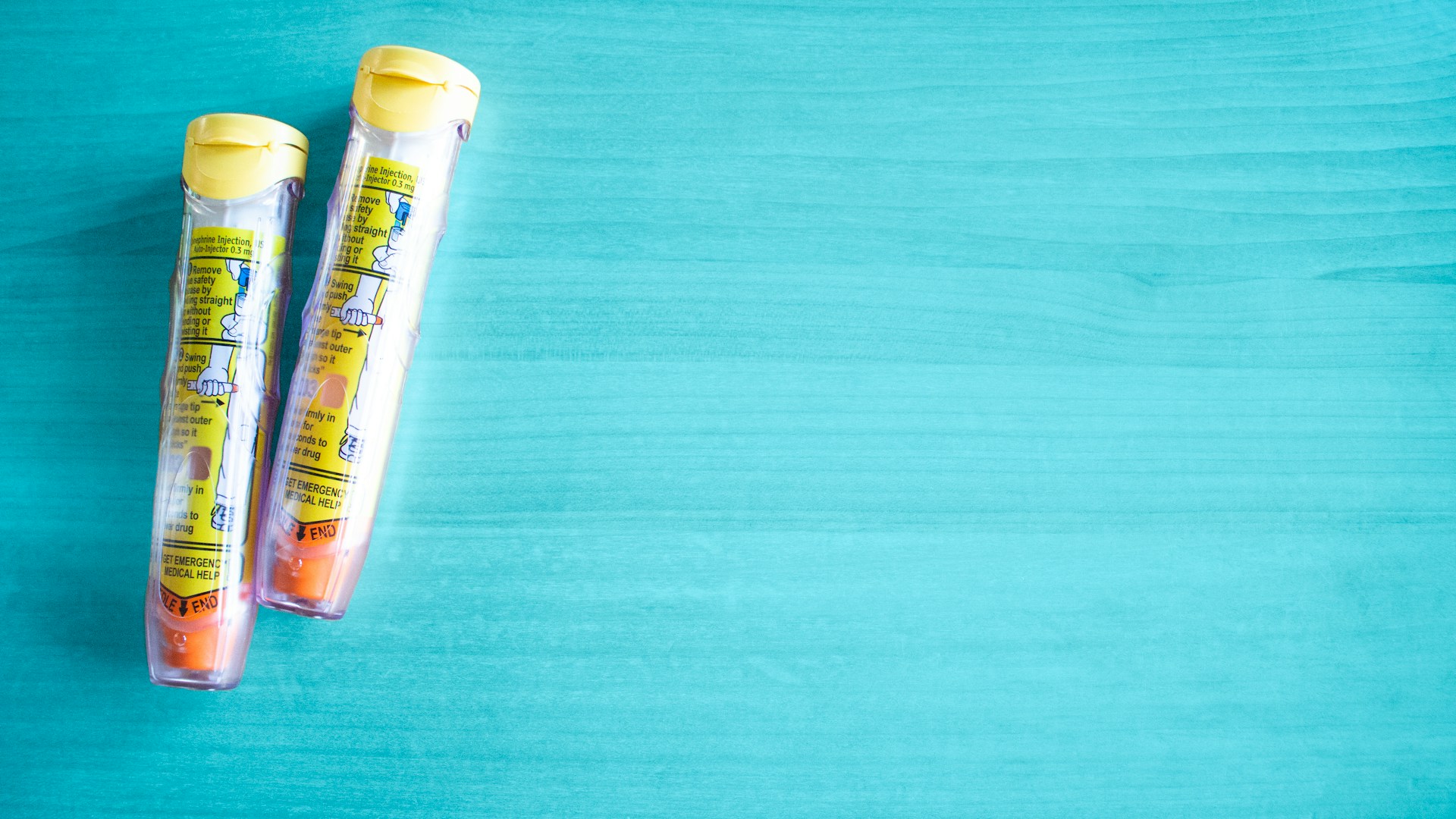
- Food allergies (e.g., peanuts, shellfish, or milk)
- Insect stings (e.g., bees or wasps)
- Medication allergies
- Latex allergies
How to Use an EpiPen
Using an EpiPen correctly is crucial during an allergic reaction. Follow these steps:1. Stay Calm
Recognise the signs of an allergic reaction, such as difficulty breathing or swelling. If you or someone else is experiencing these symptoms, act quickly but stay calm.2. Remove the EpiPen from Its Case
Take the EpiPen out of its protective case. Hold it firmly in your hand, with the orange tip (the end with the needle) pointing downward.3. Remove the Blue Safety Cap
Pull off the blue safety cap to activate the device. Be careful not to touch the orange tip, as this is where the needle will come out.4. Place the EpiPen Against Your Outer Thigh
Hold the EpiPen firmly and press it against the outer middle part of your thigh. It can be used through clothing if necessary.5. Inject the Adrenaline
Push the EpiPen into your thigh until you hear a click. Hold it in place for about 10 seconds to ensure the full dose is delivered.6. Remove the EpiPen
Remove the EpiPen from your thigh and massage the injection site for a few seconds to help distribute the adrenaline.7. Call 999
Even if the reaction seems to improve, call 999 immediately. Anaphylaxis can return, and you may need additional treatment in a hospital.When Should You Use an EpiPen?
You should use an EpiPen at the first sign of a severe allergic reaction. Symptoms to watch for include:- Difficulty breathing or wheezing
- Swelling of the face, lips, or throat
- Severe hives or itching
- Feeling faint or dizzy
Real-Life Impact on Teenagers
Having an EpiPen can be life-saving, but it also comes with challenges. Here are some examples:1. Confidence in Emergencies
Ella, 15, felt more secure knowing she could use her EpiPen after practicing with a trainer device at her doctor's office.2. Social Awareness
Sam, 14, taught his friends how to use his EpiPen, which helped him feel supported during outings and parties.3. Avoiding Risks
Tom, 17, became more careful about checking food labels and asking questions at restaurants to avoid needing his EpiPen unnecessarily.Tips for Using an EpiPen
To ensure you're prepared, follow these tips:1. Practice with a Trainer Device
Many EpiPen kits come with a trainer device that doesn't contain a needle or medicine. Use it to practice the steps until you feel confident.2. Always Carry Your EpiPen
Keep your EpiPen with you at all times, whether at school, out with friends, or on holiday. Consider using a case or pouch to protect it.3. Check Expiry Dates
Adrenaline auto-injectors expire after about a year. Regularly check the expiry date and replace your EpiPen as needed.4. Inform Others
Teach your friends, teachers, and family members how to use your EpiPen in case you're unable to administer it yourself.5. Know When to Use a Second Dose
If symptoms return after 5-15 minutes and emergency services haven't arrived yet, use a second EpiPen if available.What to Do After Using an EpiPen
After using an EpiPen, you should always go to the hospital for further observation. This ensures you get any additional treatment needed and reduces the risk of a secondary reaction.Final Thoughts
Knowing how to use an EpiPen is a vital skill for teenagers with severe allergies. By understanding the steps and practicing regularly, you can feel confident in managing emergencies and staying safe. Remember, being prepared can save lives, so always carry your EpiPen and educate those around you about how to help in an allergic reaction.How are you feeling?
It is really important that when we need help, we feel able to ask for it. This could be speaking to a parent, a close friend, a teacher or someone else you trust. Sometimes it can be really hard to share our feelings with other people but if we are feeling low or don't know where to turn, sharing with others is really important. Teachers will always take you seriously and listen to your problems in confidence if you approach them for help. Likewise, parents, siblings or friends will help you if you reach out to them.
If you feel like you can't speak to anyone you know, there are people and organisations that can help support you:
- Childline - Call them on 0800 1111 any time of the day or night, every day of the week
- NSPCC - Call them on 0808 800 5000 between 10am and 4pm Monday to Friday or email them on help@NSPCC.org.uk
- The Samaritans – Call them on 116 123 any time of the day or night, every day of the week
- SANE – Call 0300 304 7000 for support (4:30pm - 10:30pm every day)
- Mind – Call 0300 123 3393 (9:00am - 6:00pm Monday to Friday)
*Sometimes we will use real life examples in our articles to aid understanding. When we do, names and ages will be changed.