

















Let's get started...
Isn't it a bit nerve-wracking when you think about stepping into the gym for the first time? You might worry about what to wear, how to use the equipment, or if you'll look out of place. But don't sweat it every gym pro was once a beginner, and there's a first time for everything. Let's dive into some tips and tricks on choosing the right gym wear and handling gym equipment with confidence. This guide will make you feel more prepared and less anxious about your gym experience.
Choosing the Right Gym Gear
The right outfit can make a huge difference in how you feel and perform at the gym. When you're comfortable and confident in what you're wearing, you're more likely to focus on your workout rather than feeling self-conscious.
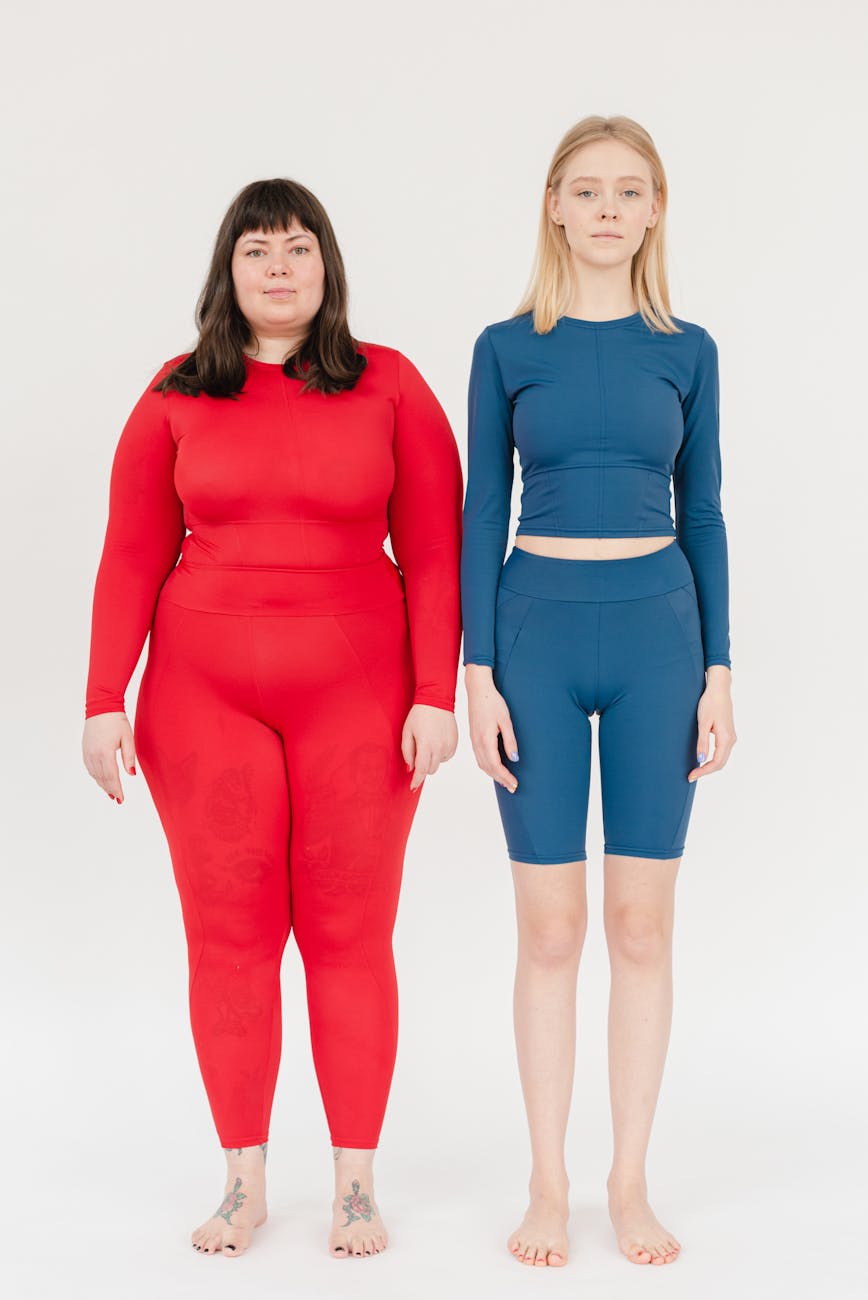
1. Comfort is Key
Always choose clothes that are comfortable. This means fabrics that stretch well and allow your skin to breathe. You'll be moving a lot, so tight clothes that restrict your movement or heavy materials that don't wick sweat can become uncomfortable. Look for items made from polyester, nylon, or cotton blends.
2. Get the Right Fit
Make sure your gym clothes fit you properly. Clothes that are too tight can hinder your movement and make you feel restricted. On the other hand, overly loose clothes might catch on equipment or flop around, which can also be annoying. Try on different sizes and cuts to see what offers the best comfort and mobility for your body type.
3. Appropriate Footwear
Don't overlook your feet! The right shoes can protect you from injury and help you perform better. Depending on your activity whether it's running, weightlifting, or a class exercise different trainers offer various types of support and cushioning. It's worth visiting a shoe store where they can advise you based on your foot type and planned activities.
Navigating the Gym like a Pro
After you're kitted out in your new gym gear, the next step is actually using the gym equipment. This can seem daunting if you're not accustomed to the setup. Here's how to ease into it:
1. Use an Introduction Session
Many gyms offer a free introduction session when you join. This tour or session generally includes basic instructions on how to use each piece of equipment. Don't be shy this is your chance to learn without feeling rushed.
2. Start Simple
Begin with machines that are straightforward and that you feel comfortable using. Machines like treadmills or stationary bikes are great starting points. They usually have simple interfaces and are less intimidating than complex weight machines or barbells.
3. Watch and Learn
Observing others can be incredibly helpful. If you're unsure how to use a piece of equipment, take a moment to watch how others use it. Most people don't mind if you watch them, just be polite and maintain a respectful distance. Alternatively, you can find loads of tutorial videos online that demonstrate proper usage.
4. Ask for Help
If watching isn't enough to boost your confidence, don't hesitate to ask for help. Gym instructors are there to assist, and they can show you the ropes. If you're more comfortable, you might find asking someone about your age or a friend who is familiar with gym workouts could help too.
Building Confidence Through Routine
Confidence at the gym, like any skill, builds over time and through practice. Developing a routine not only helps you become more efficient but also more relaxed and sure of yourself when you're at the gym.
1. Make a Plan
Before you go to the gym, have a workout plan in mind. This doesn't have to be complicated just a simple outline of what machines you want to use, what exercises you want to do, and for how long. This will help you move with purpose and avoid wandering around unsure of what to do next.
2. Keep Track of Your Progress
Keeping a log of your workouts not only helps in monitoring your physical progress but also boosts your mental confidence. Seeing improvements, no matter how small, can motivate you to keep going and make you feel successful.
3. Pair Up
Going to the gym with a friend can make a huge difference, especially if it's someone who knows their way around and can guide you. At the same time, it's more fun and you're likely to feel less self-conscious.
Remember, everyone at the gym was once in your shoes. With the right gear, a basic understanding of the equipment, and a little bit of planning, you'll be conquering your gym sessions with confidence in no time. Remember to go at your own pace, listen to your body, and, most importantly, have fun!
How are you feeling?
It is really important that when we need help, we feel able to ask for it. This could be speaking to a parent, a close friend, a teacher or someone else you trust. Sometimes it can be really hard to share our feelings with other people but if we are feeling low or don't know where to turn, sharing with others is really important. Teachers will always take you seriously and listen to your problems in confidence if you approach them for help. Likewise, parents, siblings or friends will help you if you reach out to them.
If you feel like you can't speak to anyone you know, there are people and organisations that can help support you:
- Childline - Call them on 0800 1111 any time of the day or night, every day of the week
- NSPCC - Call them on 0808 800 5000 between 10am and 4pm Monday to Friday or email them on help@NSPCC.org.uk
- The Samaritans – Call them on 116 123 any time of the day or night, every day of the week
- SANE – Call 0300 304 7000 for support (4:30pm - 10:30pm every day)
- Mind – Call 0300 123 3393 (9:00am - 6:00pm Monday to Friday)
*Sometimes we will use real life examples in our articles to aid understanding. When we do, names and ages will be changed.
