













Let's get started...
Starting to go to the gym can feel a bit intimidating, especially if it's your first time stepping into one. You might worry about not knowing what to do, or feel self-conscious about working out around others. However, going to the gym can be a fantastic way to stay active, meet new friends, and boost your confidence. Here's a beginner's gym survival guide to help you navigate your new fitness journey successfully.Understanding the Benefits of Going to the Gym
Before diving into the practical stuff, it's good to know why going to the gym is such a great choice. Exercise not only helps you physically, by improving your strength and fitness, but it also boosts your mental health. Regular physical activity can help reduce stress and anxiety, increase your self-esteem, and even improve your sleep. For a teen like you, balancing school, social life, and perhaps even part-time work, the gym can become a valuable outlet for stress.Getting Started
The first step to your gym journey is usually signing up. Look for a gym that's close to your home or school, making it easier to visit regularly. Some gyms offer teen memberships which can be more affordable. Make sure you go for a tour of the gym before you join. This way, you can check out the facilities, ask about the types of classes available, and get a feel for the atmosphere. Once you've joined, your first visit can be a mixture of excitement and nervousness. A good tip is to start by scheduling an induction. Most gyms offer a free session with a trainer who can show you how to use the equipment correctly and safely. This is also a great time to ask any questions you might have.What to Wear and Bring
Being comfortable is key when you're working out, so it's important to wear the right kind of clothes. Opt for breathable, flexible clothing that won't restrict your movements, like a t-shirt, joggers, leggings, or shorts. Proper trainers are also essential; they'll provide the right support for your feet during different activities. Don't forget a water bottle to stay hydrated and perhaps a small towel to wipe down equipment after use - it's good gym etiquette!Finding Your Way Around
Gyms can be big and full of various sections like cardio machines, weight areas, and studios for classes. It can be handy to use your initial induction to help learn the layout. Don't hesitate to ask for help if you're lost or can't find a piece of equipment. Remember, everyone was new at some point!Creating a Routine
When you're new, the variety of equipment and classes can be overwhelming. It's helpful to start with a simple plan. Think about your goals: do you want to improve your strength, increase your endurance, or perhaps manage your weight? Once clear, tell the trainer who is doing your induction so they can help design a beginner's workout plan tailored to your goals. Most gyms offer personal training sessions, and some might have special rates for teens.- Start slow: Begin with exercises you're comfortable with, like using the treadmill or taking a basic fitness class.
- Learn proper form: This is crucial to prevent injuries. Always ask if you're unsure about how to use any equipment.
- Gradually increase intensity: Over time, as you get more comfortable and stronger, you can expand your routine and try new equipment or classes.
Dealing with Gym Anxiety
It's completely normal to feel a bit nervous or self-conscious, especially at first. Remember that everyone is there for the same reason: to get fitter or healthier. Most people are focused on their workouts, not on what others are doing. Sometimes, bringing a friend can help ease the anxiety as you have someone to talk to and figure out things together.Making it a Habit
Consistency is key to making the most out of your gym experience. Try to go to the gym at the same times each week. This helps it become a part of your routine. It might be tough some days, but stick with it. Setting small, achievable goals can also motivate you to head to the gym even on days when you are not feeling up for it. Celebrate your successes, no matter how small, and remember why you started.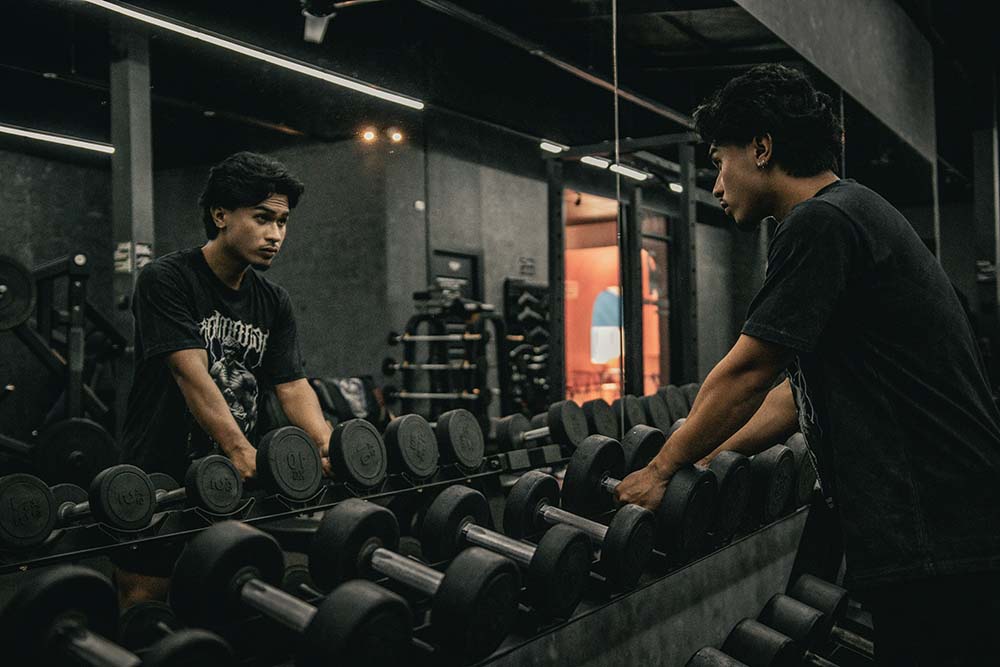 Staying Safe and Healthy
It's important to listen to your body. If something hurts in a bad way, stop and ask a professional about it. Additionally, make sure you're eating well and getting enough sleep - these are just as vital as exercising in keeping you healthy and fit. Remember, the gym is part of a lifestyle that includes good nutrition and sufficient rest.
Hopefully, this beginner's guide makes stepping into the gym a little less daunting. Remember, every expert was once a beginner. Everyone starts somewhere, and the most important thing is that you're starting. So, grab your gym kit, and let's get moving!How are you feeling?
It is really important that when we need help, we feel able to ask for it. This could be speaking to a parent, a close friend, a teacher or someone else you trust. Sometimes it can be really hard to share our feelings with other people but if we are feeling low or don't know where to turn, sharing with others is really important. Teachers will always take you seriously and listen to your problems in confidence if you approach them for help. Likewise, parents, siblings or friends will help you if you reach out to them.
If you feel like you can't speak to anyone you know, there are people and organisations that can help support you:
- Childline - Call them on 0800 1111 any time of the day or night, every day of the week
- NSPCC - Call them on 0808 800 5000 between 10am and 4pm Monday to Friday or email them on help@NSPCC.org.uk
- The Samaritans – Call them on 116 123 any time of the day or night, every day of the week
- SANE – Call 0300 304 7000 for support (4:30pm - 10:30pm every day)
- Mind – Call 0300 123 3393 (9:00am - 6:00pm Monday to Friday)
*Sometimes we will use real life examples in our articles to aid understanding. When we do, names and ages will be changed.