
Let's get started...
Have you ever heard of the push-pull-legs workout routine? It sounds a bit like a dance move, right? Well, it's actually a super popular way for people to organise their gym time. Let me explain what it is, why it might be great for you, and give you some tips on how to do it safely and effectively.
What is a Push-Pull-Legs Routine?
In the world of workouts, keeping things organised and easy to manage is key, and that's exactly where the push-pull-legs routine shines. This routine divides your gym activities into three categories based on the movement and muscle groups used:
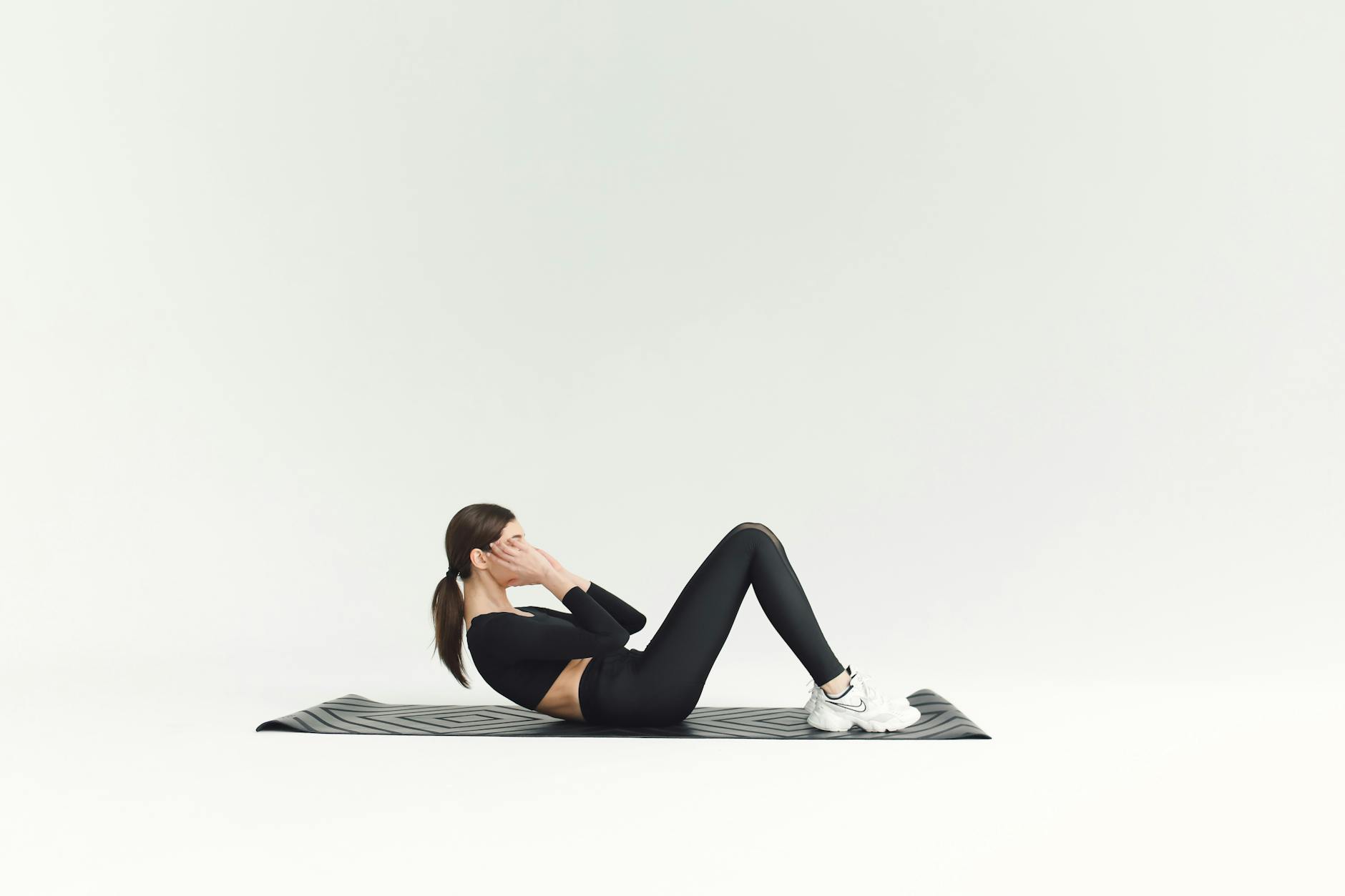
- Push days: On these days, you'll focus on exercises that require pushing movements. This mostly involves your upper body muscles, like your chest, shoulders, and triceps. Think about exercises like bench presses and push-ups.
- Pull days: These are all about pulling. You'll target your back muscles and biceps, using moves like pull-ups and rows.
- Legs days: As you might guess, this day is dedicated to working out your legs. You'll do exercises like squats and lunges which focus mainly on your thighs, glutes, and calves.
The idea is to allow each group of muscles ample time to recover before you train them again. By rotating through these days, you ensure a balanced workout that covers your entire body over the course of a week.
Why Is It Good for Teenagers?
As a teenager, your body is still growing and changing, which means you need to be careful about how you train. The push-pull-legs routine is great for several reasons:
- Balanced muscle development: This routine helps you develop a well-rounded physique by evenly training all major muscle groups, which can help prevent injuries and improve overall fitness.
- Flexibility: It's easy to fit this kind of routine into a busy schedule. You can plan your workouts around school and other activities since you only need to fit in three specific workout days a week.
- Prevents overtraining: By separating muscle groups on different days, each group has time to recover. This is crucial, especially during your teenage years when your body needs extra rest to grow.
How Can It Affect Your Life?
Aside from making you stronger and possibly boosting your confidence, regular exercise like the push-pull-legs routine can have lots of real-life benefits. It could improve your focus and mental health, making school and daily tasks feel a bit easier. Also, by building a habit of regular exercise, you're setting the stage for a healthier adult life.
Getting Started with Push-Pull-Legs
Before you dive in, it's important to learn the right way to do each exercise to prevent injuries. Here are some practical strategies to get you started:
1. Learn the Basics
Make sure you know how to perform each exercise properly. You can find lots of tutorials online, or even better, if it's an option, consider working with a coach or joining a gym class specifically designed for teens.
2. Create a Schedule
Plan which days you'll do push, pull, and legs exercises. Try to be consistent each week. For example, you could do push on Monday, pull on Wednesday, and legs on Friday. This gives each muscle group time to recover between workouts.
3. Start Slow
It can be tempting to lift heavy weights right away, but start with lighter weights where you can comfortably do about 8-12 repetitions of each exercise. This helps build your technique and strength safely.
4. Listen to Your Body
If you feel pain (beyond normal muscle tiredness), stop doing that exercise and rest. If the pain continues, it's important to talk to a doctor or physiotherapist to avoid serious injuries.
5. Keep a Workout Journal
Tracking your workouts and how they make you feel can be incredibly motivating. Over time, you'll be able to see your progress, which can keep you going on days when you're not feeling too excited about working out.
6. Balance with Other Activities
Even though your focus might be on this routine, don't forget to include some cardio activities like running or cycling, and definitely make sure you have days for just stretching or yoga to improve your flexibility and recovery.
Final Thoughts
The push-pull-legs routine can be a great way to get fit, especially if you're just starting out. It helps you structure your workouts simply and effectively, ensuring that you're not only building strength but also giving your body the rest it needs. Remember, the most important thing is to stay safe and have fun with your fitness journey. So, grab your workout gear and get ready to challenge yourself in a new and exciting way!
How are you feeling?
It is really important that when we need help, we feel able to ask for it. This could be speaking to a parent, a close friend, a teacher or someone else you trust. Sometimes it can be really hard to share our feelings with other people but if we are feeling low or don't know where to turn, sharing with others is really important. Teachers will always take you seriously and listen to your problems in confidence if you approach them for help. Likewise, parents, siblings or friends will help you if you reach out to them.
If you feel like you can't speak to anyone you know, there are people and organisations that can help support you:
- Childline - Call them on 0800 1111 any time of the day or night, every day of the week
- NSPCC - Call them on 0808 800 5000 between 10am and 4pm Monday to Friday or email them on help@NSPCC.org.uk
- The Samaritans – Call them on 116 123 any time of the day or night, every day of the week
- SANE – Call 0300 304 7000 for support (4:30pm - 10:30pm every day)
- Mind – Call 0300 123 3393 (9:00am - 6:00pm Monday to Friday)
*Sometimes we will use real life examples in our articles to aid understanding. When we do, names and ages will be changed.