













Let's get started...
Walking into the gym for the first time can feel a bit like stepping onto another planet. All the different equipment, the sounds of weights clanging, and people who look like they know exactly what they're doing. Feeling clueless is normal, but you don't have to stay that way. You're at an exciting point in your life, where building healthy habits like regular exercise can shape your future health and confidence. First off, why even bother with the gym at your age? Well, regular exercise can improve everything from your skin and energy levels to your mood and mental focus, pretty much powering up your entire body and brain. Plus, it's a great way to make friends and learn new skills that can stick with you for life.Understanding Gym Basics
Before diving into a workout routine, it's important to get a lay of the land. Most gyms are split into different areas: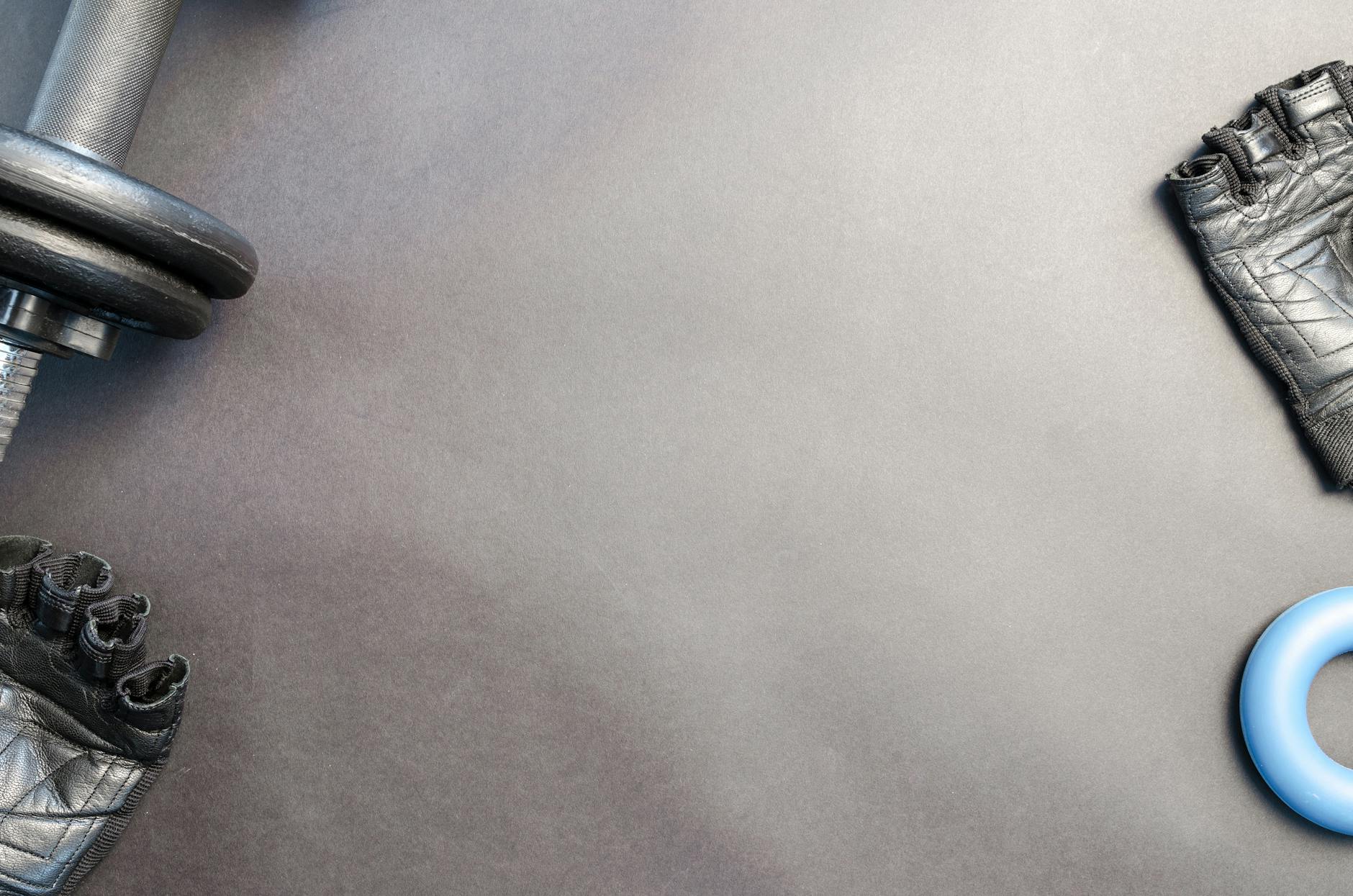
- Cardio machines: These include treadmills, bikes, rowing machines, and ellipticals. Great for warming up and building stamina.
- Weight machines: These help you target specific muscles but with a bit more guidance than free weights, making them perfect for beginners.
- Free weights area: Here you'll find dumbbells, barbells, and other weight equipment. It's where you can build strength, but it's also important to use proper form to avoid injury.
- Stretching and functional area: Usually has mats, medicine balls, and sometimes resistance bands. It's good for core workouts and stretching before and after exercise to keep your muscles flexible.
Creating Your Starter Gym Plan
As a beginner, the key is to start slow and build up gradually to avoid injuries and not get too sore or discouraged. Here's a simple plan to get you going:Day 1: Introduction to Cardio
- Start with a 10-minute warm-up on the treadmill or a bike.
- Increase to 15-20 minutes of a more intense pace that still allows you to talk but makes holding a conversation a bit difficult.
- Cool down for 5 minutes at a slow pace.
Day 3: Basic Strength with Machines
- Warm up for 10 minutes with light cardio.
- Pick 4-5 weight machine exercises, focusing on different major muscle groups like legs, arms, and back. Use a weight that makes the last couple of reps challenging but not painful.
- Do 2 sets of 10-12 repetitions for each exercise.
- Cool down by stretching muscles you worked.
Day 5: Cardio + Core Strength
- Warm up with 10 minutes of light cardio.
- Spend 25 minutes doing core exercises like planks, sit-ups, or using a medicine ball.
- Finish with another 10 minutes of cardio, perhaps trying a different machine like the cross trainer or rowing machine.
Day 2,4,6,7: Rest and Recovery
Rest days are crucial; they allow your muscles to recover and grow stronger. Don't skip them!Repeat and Progress
Continue this routine for a few weeks, alternating between cardio, machine workouts, and core training days. Once you're comfortable, start increasing the intensity and the weights, or try some free weight exercises if you feel ready. Listening to your body is key. If something hurts, stop and ask for help.Safety and Etiquette in the Gym
Gym culture can be a bit overwhelming at first, but following some basic rules can help you feel more comfortable:- Ask for help: If you're unsure how to use a machine, ask a gym trainer. They're there to help and would rather show you than have you get hurt.
- Wipe down machines: It's polite (and hygienic) to wipe down any equipment you use, usually with provided sprays and towels.
- Return weights: Always put dumbbells and other equipment back where you found them. It keeps the gym tidy and safe for everyone.
Tracking Progress and Keeping Motivated
One of the best ways to stay motivated is to keep track of your progress. You might use a notebook or an app where you log your workouts, note how much weight you lifted, or how long you spent on a cardio machine. Seeing how far you've come can be a huge boost on days you feel less eager to hit the gym. Another tip is to set manageable goals. Maybe you aim to increase your bike cardio time to 30 minutes, or graduate from the weight machines to using the free weights for certain exercises. Small achievements can lead to big results gradually. Lastly, keep mixing things up. Trying new classes, adjusting your workout routine, or even working out with friends can keep gym time exciting and less like a chore. Remember, exercise at this stage in your life is about building lifelong habits for health and happiness, not just about appearance. So, grab those trainers, sweep aside the nerves, and get ready to make the gym a regular part of your exciting journey towards staying active and feeling great.How are you feeling?
It is really important that when we need help, we feel able to ask for it. This could be speaking to a parent, a close friend, a teacher or someone else you trust. Sometimes it can be really hard to share our feelings with other people but if we are feeling low or don't know where to turn, sharing with others is really important. Teachers will always take you seriously and listen to your problems in confidence if you approach them for help. Likewise, parents, siblings or friends will help you if you reach out to them.
If you feel like you can't speak to anyone you know, there are people and organisations that can help support you:
- Childline - Call them on 0800 1111 any time of the day or night, every day of the week
- NSPCC - Call them on 0808 800 5000 between 10am and 4pm Monday to Friday or email them on help@NSPCC.org.uk
- The Samaritans – Call them on 116 123 any time of the day or night, every day of the week
- SANE – Call 0300 304 7000 for support (4:30pm - 10:30pm every day)
- Mind – Call 0300 123 3393 (9:00am - 6:00pm Monday to Friday)
*Sometimes we will use real life examples in our articles to aid understanding. When we do, names and ages will be changed.