

















Let's get started...
When you think about lifting weights, you might picture huge bodybuilders or athletes on TV. But did you know that weight lifting can be a great activity for teenagers too? However, there are loads of myths out there about lifting that might make you think twice. Let's break down these myths and discover what you really need to know as a teen interested in lifting.Myth 1: Lifting Stunts Your Growth
One of the most common myths you'll hear is that lifting weights can stunt your growth. But is there any truth to it? Actually, no. When done correctly, weight lifting has not been shown to stunt growth in teens. Your height is mostly determined by your genes. Lifting weights with proper technique and under supervision can instead strengthen your bones and muscles without harming your growth plates.
Myth 2: You Need to Spend Hours in the Gym
Many teens might think that they need to spend hours in the gym to see results from lifting weights. However, that's not true. Quality is much more important than quantity. As a beginner, even 20-30 minutes of focused strength training two or three times a week can lead to visible improvements. The key is consistency and gradually increasing the intensity and weight as you get stronger.
Myth 3: Lifting is Only for Boys
This could not be more wrong! Lifting weights is fantastic for both boys and girls. The benefits, such as increased muscle strength, enhanced metabolic rate, and improved bone density, are crucial for everyone - regardless of gender. It can also boost confidence and mental health.
Myth 4: You'll Get Bulky
Another fear might be that lifting weights will make you look bulky. This is a misconception too. Getting very muscular is not something that happens overnight or by accident. It requires specific, intense training and a diet designed to build size. For most teens, regular weight lifting will result in a toned and healthy body, not a bulky one.
How Lifting Can Benefit You
Lifting weights as a teenager can have several excellent benefits. Here are a few:
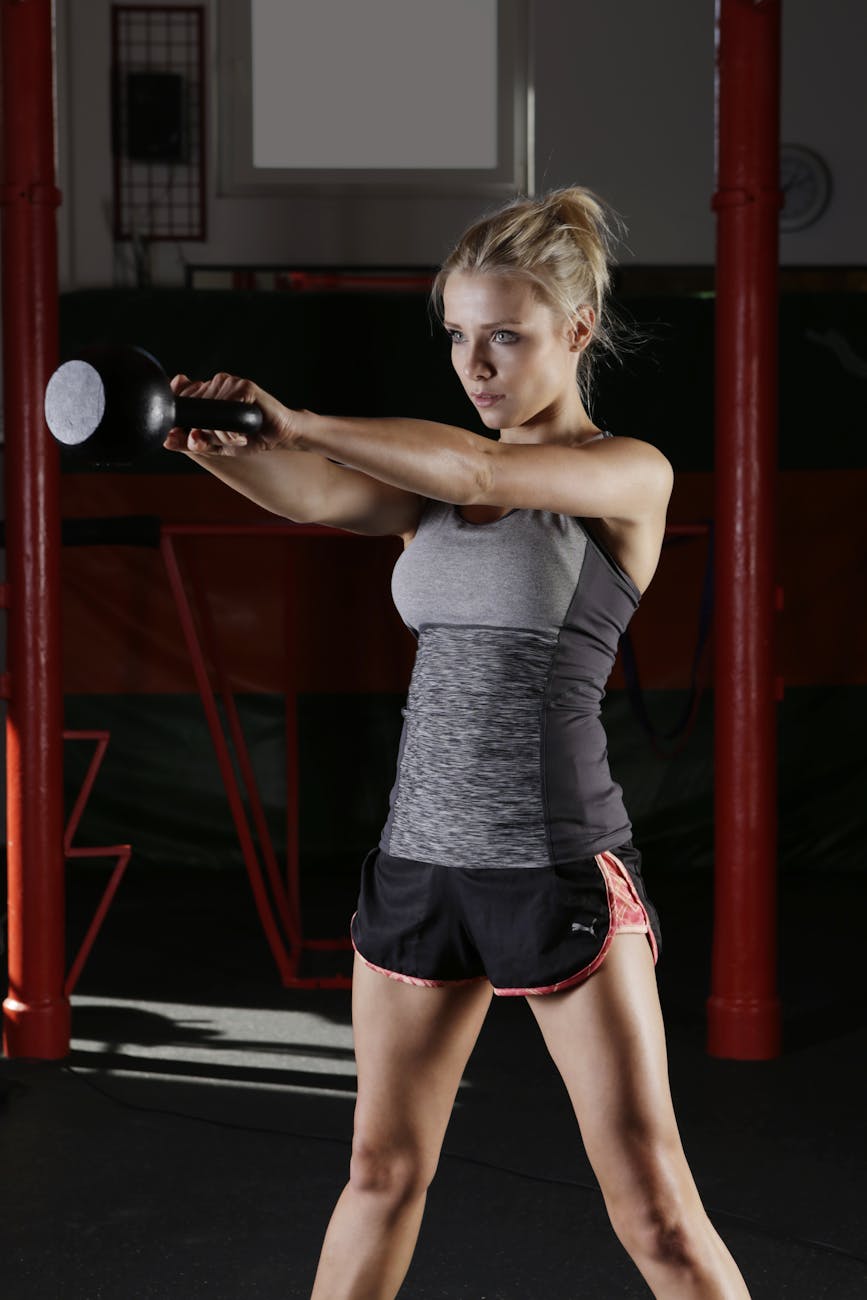
- Better Posture: Spending a lot of time sitting down at school or looking at your phone can lead to bad posture. Lifting can help strengthen your back and core muscles, which can improve your posture.
- Increase in Strength: This one is obvious, but very important. Building strength can make everyday activities easier and help you perform better in sports.
- Boosts Mental Health: Exercise, including weight lifting, releases endorphins which are chemicals that make you feel happy and more relaxed.
- Improves Focus: Regular physical activity like lifting can help you focus better in school and even enhance your memory.
Practical Strategies for Safe Lifting
If lifting weights sounds like something you'd like to try, here are some tips to ensure you start on the right foot:
- Get Proper Guidance: If you're new to lifting, getting guidance from a qualified trainer who can show you how to lift weights safely and effectively is essential. They can help you with your form and technique to prevent injuries.
- Start Small: There's no need to lift heavy weights right away. Begin with lighter weights and focus on your form. As your strength improves, you can gradually increase the weight.
- Listen to Your Body: If something hurts, stop. A little muscle soreness after working out is normal, but pain during an exercise is a sign that you may be doing something wrong or that you're pushing yourself too hard.
- Keep Balanced: Make sure your workout routine includes various exercises that work different body parts. Balancing your routine helps prevent overuse injuries and ensures overall body strength and conditioning.
- Stay Patient and Consistent: Progress can be slow, but consistency is key in any fitness regimen. Keep at it, and you'll see results over time.
Weight lifting isn't just for those who want to compete in sports or look like superheroes. It's a fantastic way to boost your physical and mental health, even as a teen. Whether you're a boy or a girl, you can enjoy the benefits of lifting while growing into a strong, healthy adult.
So, next time you think of lifting weights, remember it's not just about bulking up. It's about taking care of your body and mind, and setting up strong foundations for your future health.
Final Point
If lifting weights interests you, now is a great time to learn more about it and perhaps start your own training under proper guidance. Who knows, you might just find a new passion or a great way to boost your overall health and confidence!
How are you feeling?
It is really important that when we need help, we feel able to ask for it. This could be speaking to a parent, a close friend, a teacher or someone else you trust. Sometimes it can be really hard to share our feelings with other people but if we are feeling low or don't know where to turn, sharing with others is really important. Teachers will always take you seriously and listen to your problems in confidence if you approach them for help. Likewise, parents, siblings or friends will help you if you reach out to them.
If you feel like you can't speak to anyone you know, there are people and organisations that can help support you:
- Childline - Call them on 0800 1111 any time of the day or night, every day of the week
- NSPCC - Call them on 0808 800 5000 between 10am and 4pm Monday to Friday or email them on help@NSPCC.org.uk
- The Samaritans – Call them on 116 123 any time of the day or night, every day of the week
- SANE – Call 0300 304 7000 for support (4:30pm - 10:30pm every day)
- Mind – Call 0300 123 3393 (9:00am - 6:00pm Monday to Friday)
*Sometimes we will use real life examples in our articles to aid understanding. When we do, names and ages will be changed.
