

















Let's get started...
Starting a gym routine can feel a bit like trying to learn a whole new language. What's with all the machines, what does each one do, and how on earth can you use them without looking like you're totally lost? Well, don't worry! Creating a gym routine doesn't have to be a daunting task. With a bit of know-how and some planning, you can build a routine that's fun, effective, and far from boring.
Understanding the Basics
Before you dive into weights and treadmills, it's important to understand what makes a good gym routine. Most experts agree it should include a mix of cardiovascular (cardio) exercises like running or cycling, strength training like lifting weights, and flexibility moves like stretches.
Cardio exercises help improve the health of your heart and lungs. Strength training helps build muscle and can even boost your metabolism (that's the rate at which your body burns calories). And don't forget about flexibility, which can keep your muscles relaxed and prevent injuries.
Setting Realistic Goals
Think about what you want to achieve. Do you want to get stronger? Run faster? Or perhaps just feel more energetic? Your goals don't have to be massive. In fact, it's better if they're achievable. Something like, "I want to go to the gym three times a week" or "I want to be able to run 5 kilometres without stopping" are great goals to start with.
It's really helpful to write your goals down and keep them somewhere visible. This way, you can see them regularly and they can remind you of what you're aiming for.
Creating Your Routine
Now, let's talk about building your actual routine. You'll want to start with what's known as a warm-up. This could be a gentle jog on the treadmill or some light stretching. Warming up prepares your body for exercise and helps reduce the risk of injury.
Mixing It Up:
A good technique is to not do the same thing every day. This helps to keep the gym exciting and prevents your body from getting too used to a specific exercise, which can decrease its effectiveness. Try to alternate between different types of workouts. For instance, you could focus on cardio one day, then switch to strength training the next.
Rest and Recovery:
Your muscles need time to recover after they've been worked out, so make sure that you don't go too hard without taking breaks. A good rule is to rest for at least 48 hours before exercising the same muscle group again.
Using Gym Equipment Safely
Gym equipment can look scary, but they're all designed for specific types of workouts. Don't be afraid to ask a gym instructor for a demonstration if you're not sure how to use something. That's what they're there for!
Start Small:
When beginning with weights, start with lighter ones and build up gradually. It's better to do more repetitions with a lighter weight than to strain yourself with something too heavy.
Form Is Key:
Paying attention to your form is crucial, especially when you're starting out. Poor form can not only lead to injuries but also means you won't be getting the best out of your workouts.
Nutrition and Hydration
Nourishing your body is just as important as working it out. Eating a balanced diet and keeping hydrated will help you perform better and recover faster.
It's particularly important to drink plenty of water when you're exercising to replace the fluids you lose through sweating. Foods rich in protein, like chicken or lentils, are great after a workout because they help repair and build muscles.
Staying Motivated
Everyone has days when they feel less energetic or enthusiastic about working out. Here are a few ways to keep the motivation alive:
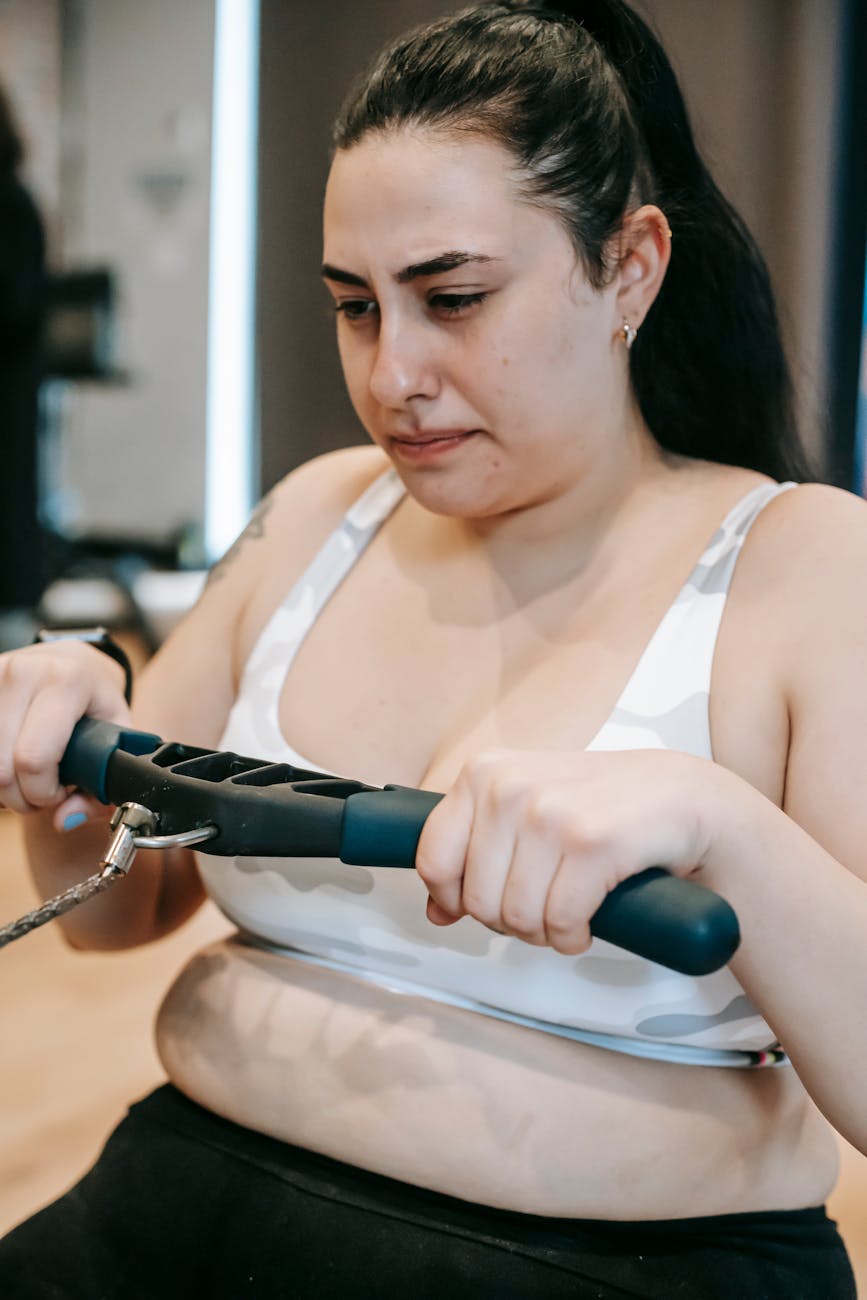
- Track Your Progress: Keeping a record of what you do and seeing your improvement over time can give you a huge boost.
- Find a Workout Buddy: Having a friend to go to the gym with can make workouts more enjoyable and less of a chore.
- Mix Up Your Playlist: Updating your music playlist can be a great way to renew your enthusiasm for a workout.
What If You Miss a Day?
Finally, don't beat yourself up if you miss a day or two. It happens to everyone! The important thing is to get back on track as soon as you can. Remember, building a routine isn't about being perfect; it's about being consistent.
Whether you're starting your first gym routine or looking to shake up your current schedule, the key is to find activities you enjoy, set achievable goals, and listen to your body. With the right approach, you'll find that hitting the gym is not only beneficial for your body but also great fun.
How are you feeling?
It is really important that when we need help, we feel able to ask for it. This could be speaking to a parent, a close friend, a teacher or someone else you trust. Sometimes it can be really hard to share our feelings with other people but if we are feeling low or don't know where to turn, sharing with others is really important. Teachers will always take you seriously and listen to your problems in confidence if you approach them for help. Likewise, parents, siblings or friends will help you if you reach out to them.
If you feel like you can't speak to anyone you know, there are people and organisations that can help support you:
- Childline - Call them on 0800 1111 any time of the day or night, every day of the week
- NSPCC - Call them on 0808 800 5000 between 10am and 4pm Monday to Friday or email them on help@NSPCC.org.uk
- The Samaritans – Call them on 116 123 any time of the day or night, every day of the week
- SANE – Call 0300 304 7000 for support (4:30pm - 10:30pm every day)
- Mind – Call 0300 123 3393 (9:00am - 6:00pm Monday to Friday)
*Sometimes we will use real life examples in our articles to aid understanding. When we do, names and ages will be changed.
