

















Let's get started...
When it comes to staying fit and healthy, you've probably heard about two popular types of exercise: cardio and weight training. But which one should you focus on, especially if you're busy with school, friends, and maybe even a part-time job? Let's dive into what each type of exercise offers and how you can include them in your life.
What is Cardio?
Cardiovascular exercise, or cardio for short, is any exercise that raises your heart rate and keeps it up for a period of time. Examples include running, swimming, cycling, and even fast walking. These activities help improve the health of your heart and lungs, and they're also great for burning calories quickly.
Benefits of Cardio
Doing regular cardio workouts can help you in many ways. It makes your heart strong so that it doesn't have to work as hard to pump blood around your body. This helps lower the risk of heart disease and keeps your blood pressure in check. Cardio is also a champion at increasing your overall stamina, which can make day-to-day activities like climbing stairs or running to catch the bus much easier.
What is Weight Training?
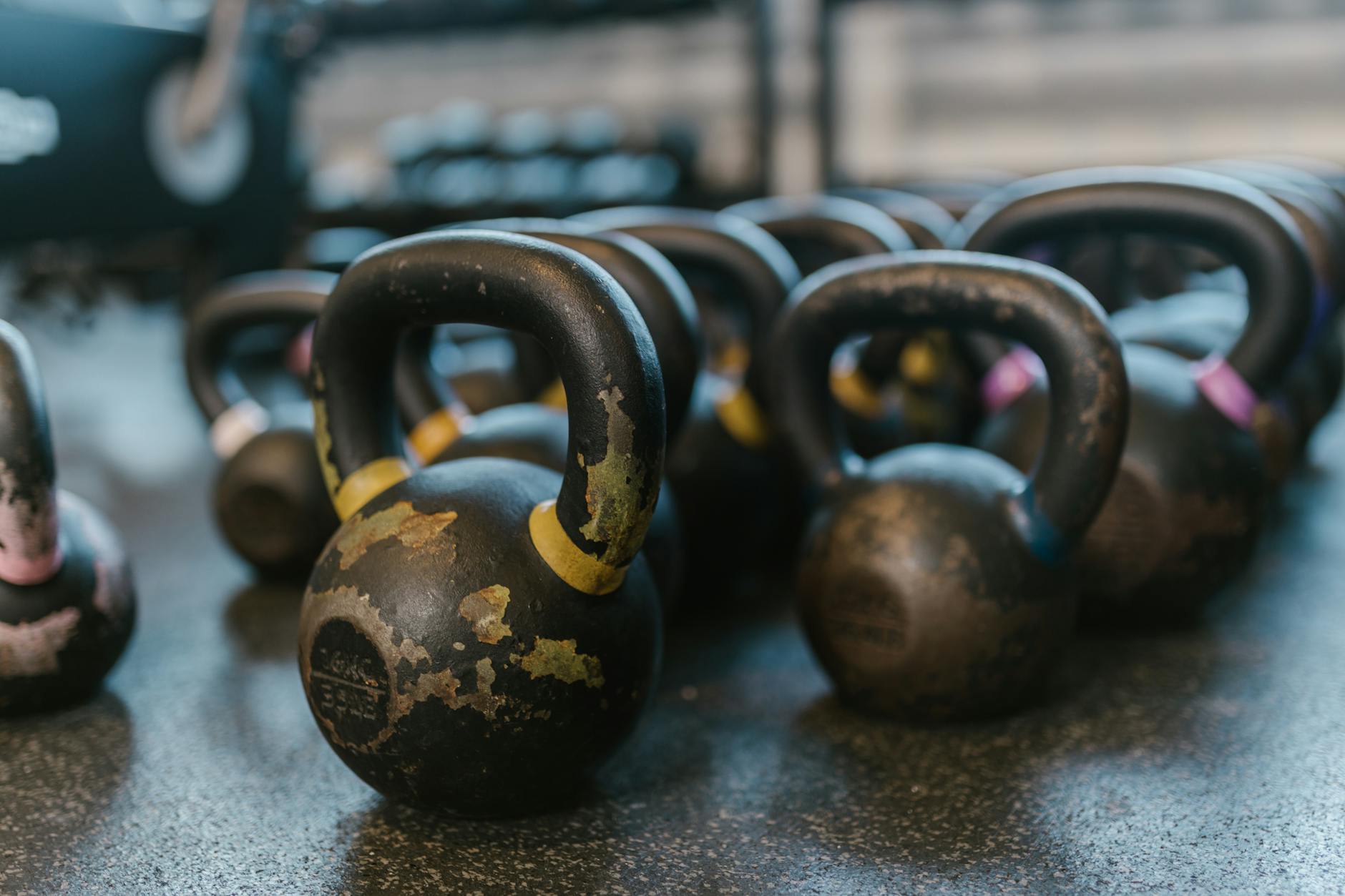
Weight training, also known as strength training or resistance training, involves using resistance to build muscle strength and endurance. This can be done using your body weight, free weights like dumbbells, or machines at a gym. Exercises like push-ups, squats, and weight lifting are all part of weight training.
Benefits of Weight Training
While it might be less about panting and more about pushing, weight training has its stack of benefits. It's terrific for building and maintaining muscle. Having more muscle means your body burns more calories even when you're just lounging around. Strength training also strengthens bones, which is super important, especially as you grow. Plus, it can help improve your posture and reduce the risk of injuries by making your muscles support your joints better.
Which One Should You Focus On?
So, should you just run or hit the weights? The answer isn't straightforward because both are important for different reasons. Cardio helps with heart health and endurance, while weight training helps with strength and metabolic rate (how fast your body burns calories). Most experts suggest that a combination of both is the best approach for overall fitness.
Finding Balance as a Teen
As a teenager, you're still growing, and your body is changing. This means you can really benefit from a mix of cardio and weight training, not only for your physical health but also for your mental well-being. Balancing school work and exercise might seem tough, but here's how you can manage both:
- Set realistic goals: You don't have to spend hours every day. Even 30 minutes a day can make a big difference.
- Mix it up: Try alternating between cardio and strength exercises throughout the week. Maybe do cardio on Monday, Wednesday, and Friday, and weight training on Tuesday and Thursday.
- Make it fun: Play sports, join a dance class, or try out new activities with friends that keep you moving. It doesn't always have to be a structured workout routine.
- Stay consistent: Keeping to a routine helps, but also be flexible. Some days are busier than others, and that's okay. Just get back on track the next day.
Practical Tips for Beginners
If you're just starting out, here are a few things to keep in mind to keep you safe and motivated:
- Start Slow: Don't push yourself to do too much too soon, especially with weights. Learn the correct form to avoid injuries.
- Get advice: Talk to a PE teacher or a coach if you're unsure how to start. They can give you tips and guide you on how to do exercises correctly.
- Listen to your body: If something hurts, stop and rest. There's a difference between good muscle soreness and pain.
- Hydrate: Drink plenty of water, especially if you're sweating a lot.
- Enjoy yourself: The best kind of exercise is the one you enjoy because that's the one you'll keep doing.
Both cardio and weight training are important, and choosing between them really depends on your personal fitness goals, interests, and the kind of physical activity that feels right for your body. You might find that you enjoy the direct energy boost from cardio more than the slower muscle building of weights, or you might love the feeling of getting stronger through resistance training. The key is to include both in your lifestyle as you grow.
Remember, exercising should be about feeling good and healthy, not just about how it makes you look. So, keep moving, have fun, and take care of your body - it's the only one you've got!
How are you feeling?
It is really important that when we need help, we feel able to ask for it. This could be speaking to a parent, a close friend, a teacher or someone else you trust. Sometimes it can be really hard to share our feelings with other people but if we are feeling low or don't know where to turn, sharing with others is really important. Teachers will always take you seriously and listen to your problems in confidence if you approach them for help. Likewise, parents, siblings or friends will help you if you reach out to them.
If you feel like you can't speak to anyone you know, there are people and organisations that can help support you:
- Childline - Call them on 0800 1111 any time of the day or night, every day of the week
- NSPCC - Call them on 0808 800 5000 between 10am and 4pm Monday to Friday or email them on help@NSPCC.org.uk
- The Samaritans – Call them on 116 123 any time of the day or night, every day of the week
- SANE – Call 0300 304 7000 for support (4:30pm - 10:30pm every day)
- Mind – Call 0300 123 3393 (9:00am - 6:00pm Monday to Friday)
*Sometimes we will use real life examples in our articles to aid understanding. When we do, names and ages will be changed.
