













Let's get started...
Understanding the Basics of Tattoos
Getting a tattoo is a significant decision, especially considering It's permanent nature. Before you decide to get inked, it's crucial to understand what a tattoo is. A tattoo is a form of body modification made by inserting ink, dyes, and pigments, either indelible or temporary, into the dermis layer of the skin to form an image, design, or text.Factors to Consider Before Getting a Tattoo
Firstly, think about the permanence of a tattoo. Unlike hair colour or clothing, a tattoo is something you wear for life unless you undergo painful and expensive removal procedures. Secondly, consider the visibility and what implications it might have on future employment opportunities or social interactions. Legal age is another important factor. In the UK, you must be at least 18 years old to get a tattoo legally, regardless of parental consent. This law ensures that individuals are mature enough to make such a permanent decision.The Significance of Choosing the Right Design and Artist
Choosing a tattoo design is more than just picking a cool image. It's about significance and personal meaning. Many people choose designs that have sentimental value, commemorate an event, or express personal beliefs. Before getting a tattoo, spend significant time reflecting on what you want it to represent. Finding the right tattoo artist is equally crucial. Research artists whose style matches your desired design. Look at portfolios, read reviews, and maybe even visit the studio to get a feel for the environment. An experienced, skilled artist is key to a beautifully rendered tattoo. Cost is also a variable to consider. Good tattoos aren't cheap, and cheap tattoos often aren't good. Based on size, complexity, and the artist's rate, a tattoo can range significantly in price.Health Risks and Safety Measures
Tattooing involves needles and blood, which means there's a risk of infection and transmission of diseases such as hepatitis and HIV if not handled in a sterile environment. Ensure the studio follows rigorous health standards, including using new needles, inks, and gloves for every client. Discuss with your artist about any allergies you may have to ensure the ink ingredients won't cause reactions. The area has to be kept clean post-tattoo to prevent infection, so understanding the aftercare process is vital.Cultural Considerations and Regrets
It's also important to be culturally respectful and aware. Some symbols and designs may carry cultural weight or significance that could be considered inappropriate or offensive if worn without a proper understanding of their background. Regret is a significant factor to consider. As interests and beliefs can change, what feels important today might not hold the same value in the future. Consider choosing designs that are timeless to you or placing them in areas that are not always visible.Real-life Impacts on Young People
A tattoo can influence how you're perceived by others. In a professional setting, visible tattoos can still be seen as inappropriate in certain industries. Socially, while tattoos have become more acceptable, there can still be judgment or stigma attached, which you might need to prepare for.Practical Strategies for Making an Informed Decision
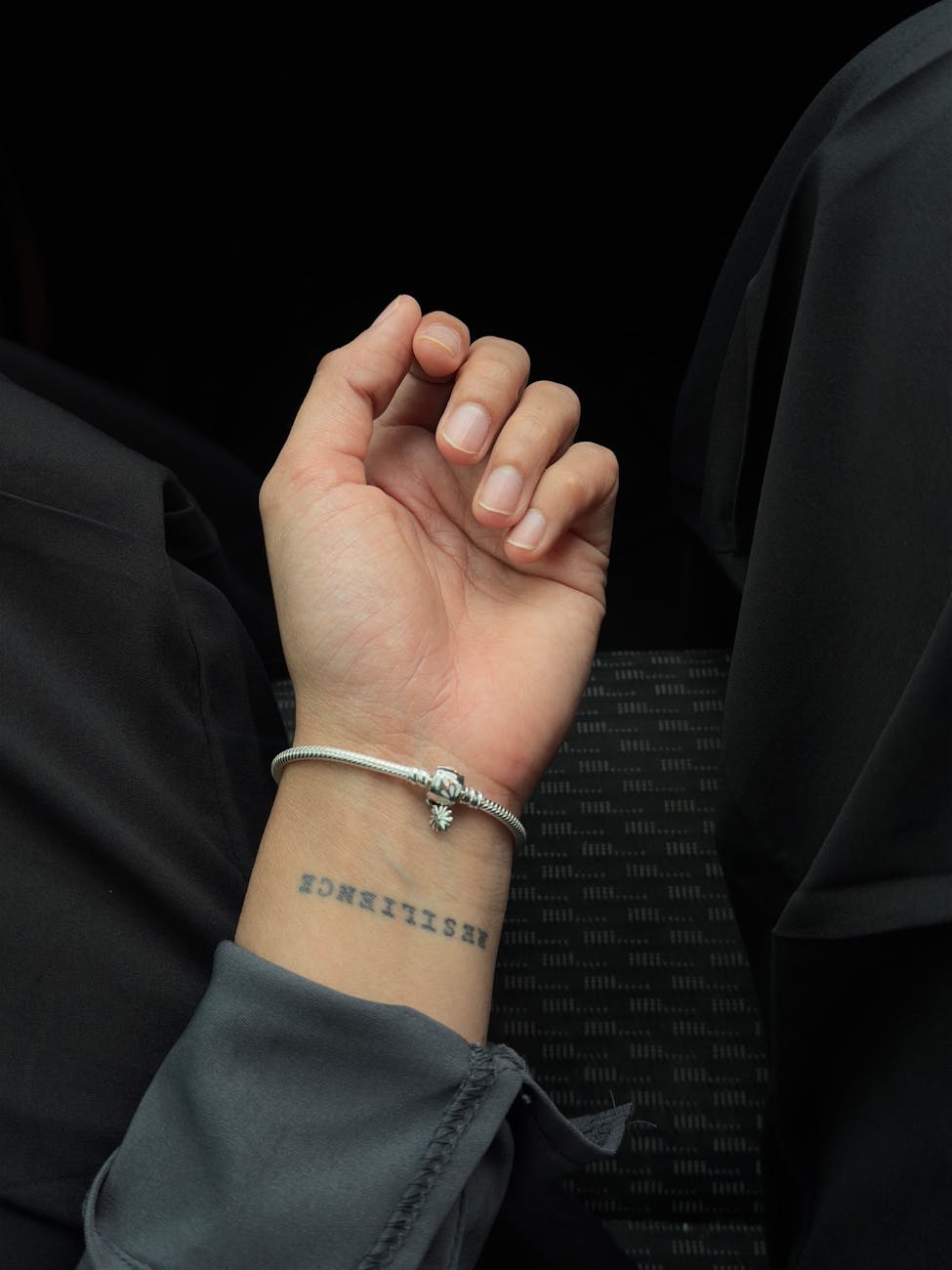
- Research Thoroughly: Spend ample time researching designs, artists, and studios to ensure quality and safety.
- Consider Temporary Alternatives: Try henna or temporary tattoo stickers to see how a design feels before committing to a permanent one.
- Think Long-term: Reflect on how your tattoo will age with you, both physically and in meaning.
- Consult with Loved Ones: Getting perspectives from people who know you well might provide valuable insight.
- Plan the Placement: Think about the placement on your body, considering potential stretching or ageing of the skin over time.
How are you feeling?
It is really important that when we need help, we feel able to ask for it. This could be speaking to a parent, a close friend, a teacher or someone else you trust. Sometimes it can be really hard to share our feelings with other people but if we are feeling low or don't know where to turn, sharing with others is really important. Teachers will always take you seriously and listen to your problems in confidence if you approach them for help. Likewise, parents, siblings or friends will help you if you reach out to them.
If you feel like you can't speak to anyone you know, there are people and organisations that can help support you:
- Childline - Call them on 0800 1111 any time of the day or night, every day of the week
- NSPCC - Call them on 0808 800 5000 between 10am and 4pm Monday to Friday or email them on help@NSPCC.org.uk
- The Samaritans – Call them on 116 123 any time of the day or night, every day of the week
- SANE – Call 0300 304 7000 for support (4:30pm - 10:30pm every day)
- Mind – Call 0300 123 3393 (9:00am - 6:00pm Monday to Friday)
*Sometimes we will use real life examples in our articles to aid understanding. When we do, names and ages will be changed.