

















Let's get started...
Removing makeup properly is an essential part of any skincare routine. Leaving makeup on overnight can clog your pores, lead to breakouts, and irritate your skin. For teenagers experimenting with makeup, learning the best ways to remove it ensures that your skin stays healthy and clean. This article explores why makeup removal is important, its real-life impact, and practical strategies for effective makeup removal.
Why Is Removing Makeup Important?
Throughout the day, your skin accumulates makeup, oil, dirt, and pollutants. If these aren't removed properly, they can cause:
- Clogged Pores: This can lead to blackheads, whiteheads, and acne.
- Skin Irritation: Sleeping in makeup can irritate sensitive skin and cause redness or dryness.
- Premature Aging: Failing to remove makeup regularly can speed up the appearance of fine lines and wrinkles.
- Eye Infections: Leaving mascara or eyeliner on overnight can irritate your eyes or lead to infections.
Real-Life Impact of Proper Makeup Removal
Here are some examples of how proper makeup removal can benefit teenagers:
1. Clearer Skin
Emma, 15, used to sleep in her makeup after long days at school. After starting a nightly makeup removal routine, her skin became clearer, and she felt more confident.
2. Improved Skin Texture
Ryan, 16, noticed his skin felt rough and bumpy from not removing makeup properly. Switching to a double cleansing method left his skin smooth and healthy.
3. Better Makeup Application
Sophie, 14, found that her makeup looked patchy because of leftover residue. Once she began thoroughly removing her makeup, her skin became a better canvas for makeup.
What Is the Best Way to Remove Makeup?
The best way to remove makeup depends on your skin type, the type of makeup you wear, and your preferences. Here's a step-by-step guide to effective makeup removal:
Step 1: Start with a Makeup Remover
Use a dedicated makeup remover to break down makeup before cleansing. Here are some popular options:
- Micellar Water: Ideal for all skin types, micellar water removes makeup and impurities gently. Use a cotton pad soaked in micellar water to wipe off makeup.
- Cleansing Oil or Balm: These are great for heavy makeup or waterproof products. Apply to dry skin, massage in circular motions, and rinse with water.
- Makeup Wipes: While convenient, wipes shouldn't be your only step. Use them as a quick solution and follow up with cleansing.
Step 2: Double Cleanse
The double cleansing method ensures all makeup, dirt, and oil are thoroughly removed. Here's how it works:
- First Cleanse: Use a cleansing oil, balm, or micellar water to break down makeup.
- Second Cleanse: Follow up with a gentle cleanser suited to your skin type to remove residue and cleanse your skin.
Step 3: Focus on Your Eyes
Eye makeup, especially waterproof mascara or eyeliner, can be tricky to remove. Use a gentle, oil-based makeup remover designed for eyes. Apply it to a cotton pad, press gently onto your eyelids for a few seconds, and wipe away.
Step 4: Be Gentle
Always handle your skin with care. Avoid harsh scrubbing or tugging, especially around the delicate eye area. Pat your skin dry with a clean towel instead of rubbing.
Step 5: Finish with Moisturiser
After removing your makeup and cleansing your face, apply a moisturiser to keep your skin hydrated and balanced. If your skin feels dry, consider using a hydrating serum or toner beforehand.
Tips for Effective Makeup Removal
Follow these tips to make your makeup removal routine even more effective:
- Choose the Right Products: Use products suited to your skin type, whether it's oily, dry, or sensitive.
- Don't Forget Your Hairline and Neck: Makeup often accumulates along the hairline and on the neck, so include these areas when cleansing.
- Use Reusable Pads: Eco-friendly alternatives to cotton pads, like reusable microfiber cloths, are gentle on your skin and the environment.
- Avoid Sleeping in Makeup: Always take the time to remove your makeup, even if you're tired. Keeping wipes by your bed can help on lazy nights.
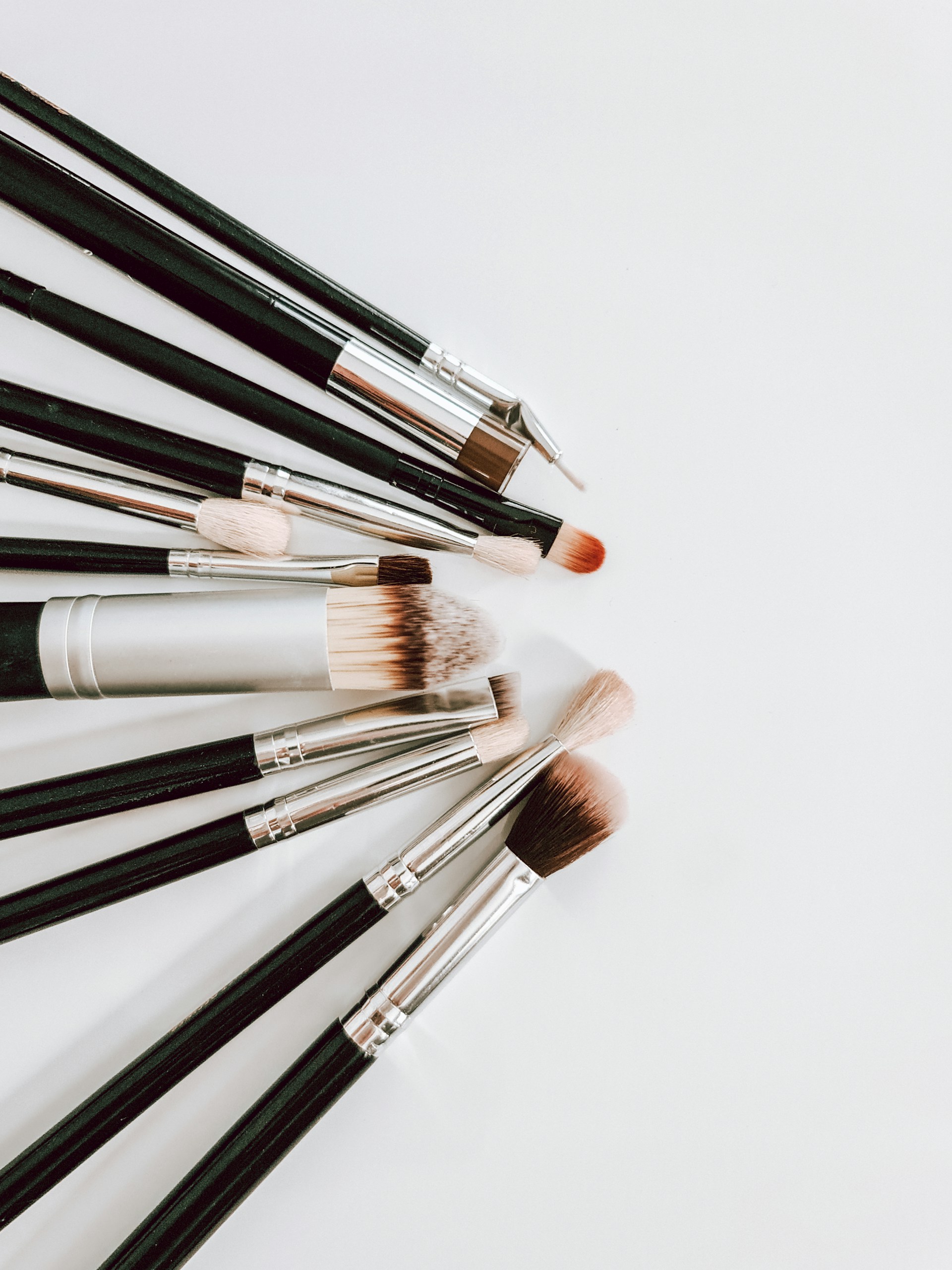
- Clean Your Brushes: Dirty makeup brushes can transfer bacteria to your skin. Wash them regularly to prevent breakouts.
Building a Makeup Removal Routine
Consistency is key when it comes to makeup removal. Here's a simple routine to follow:
- Evening: Use a makeup remover followed by a gentle cleanser. Moisturise to finish.
- Weekly: Exfoliate once or twice to remove dead skin cells and improve your skin's texture.
- Monthly: Check the expiration dates on your makeup products and replace any that are past their prime.
When to Seek Professional Advice
If you're experiencing skin irritation, persistent breakouts, or sensitivity despite removing your makeup properly, consider consulting a dermatologist. They can recommend products and treatments tailored to your skin's needs.
Final Thoughts
Removing makeup is an essential step in your skincare routine that ensures your skin stays healthy and glowing. By following the best practices for makeup removal, such as double cleansing and using the right products for your skin type, you can prevent common issues like breakouts and irritation. Remember, the goal isn't just clean skin, it's taking care of yourself and building habits that help you feel confident in your natural beauty.
How are you feeling?
It is really important that when we need help, we feel able to ask for it. This could be speaking to a parent, a close friend, a teacher or someone else you trust. Sometimes it can be really hard to share our feelings with other people but if we are feeling low or don't know where to turn, sharing with others is really important. Teachers will always take you seriously and listen to your problems in confidence if you approach them for help. Likewise, parents, siblings or friends will help you if you reach out to them.
If you feel like you can't speak to anyone you know, there are people and organisations that can help support you:
- Childline - Call them on 0800 1111 any time of the day or night, every day of the week
- NSPCC - Call them on 0808 800 5000 between 10am and 4pm Monday to Friday or email them on help@NSPCC.org.uk
- The Samaritans – Call them on 116 123 any time of the day or night, every day of the week
- SANE – Call 0300 304 7000 for support (4:30pm - 10:30pm every day)
- Mind – Call 0300 123 3393 (9:00am - 6:00pm Monday to Friday)
*Sometimes we will use real life examples in our articles to aid understanding. When we do, names and ages will be changed.
