

















Let's get started...
Washing your face is an important part of maintaining healthy skin, but how often should you do it? While it might seem simple, over-washing or under-washing can lead to various skin issues, especially for teenagers experiencing hormonal changes and acne. This article explores how often you should wash your face, the impact of proper skincare, and practical strategies to keep your skin clean and healthy.Why Is Washing Your Face Important?
Throughout the day, your skin is exposed to dirt, oil, sweat, and environmental pollutants. Washing your face helps remove these impurities, preventing clogged pores and acne. It also helps your skin absorb moisturisers and treatments more effectively.How Often Should You Wash Your Face?
For most people, washing your face twice a day, once in the morning and once at night, is enough. Here's why:1. Morning Wash
Washing your face in the morning removes oil and sweat that build up overnight. It preps your skin for the day and allows skincare products, like moisturiser and sunscreen, to work effectively.2. Evening Wash
At the end of the day, your skin accumulates dirt, oil, and makeup (if you wear it). Washing your face at night clears away these impurities, preventing clogged pores and breakouts.3. After Exercise or Sweating
If you've been sweating, it's a good idea to wash your face to remove sweat and bacteria. However, use lukewarm water and a gentle cleanser to avoid irritation.How to Wash Your Face Properly
Washing your face might seem straightforward, but using the wrong technique can irritate your skin. Follow these steps for a gentle and effective cleanse:1. Use Lukewarm Water
Hot water can strip your skin of its natural oils, while cold water may not effectively remove dirt. Lukewarm water is the perfect balance.2. Choose the Right Cleanser
Pick a cleanser suited to your skin type: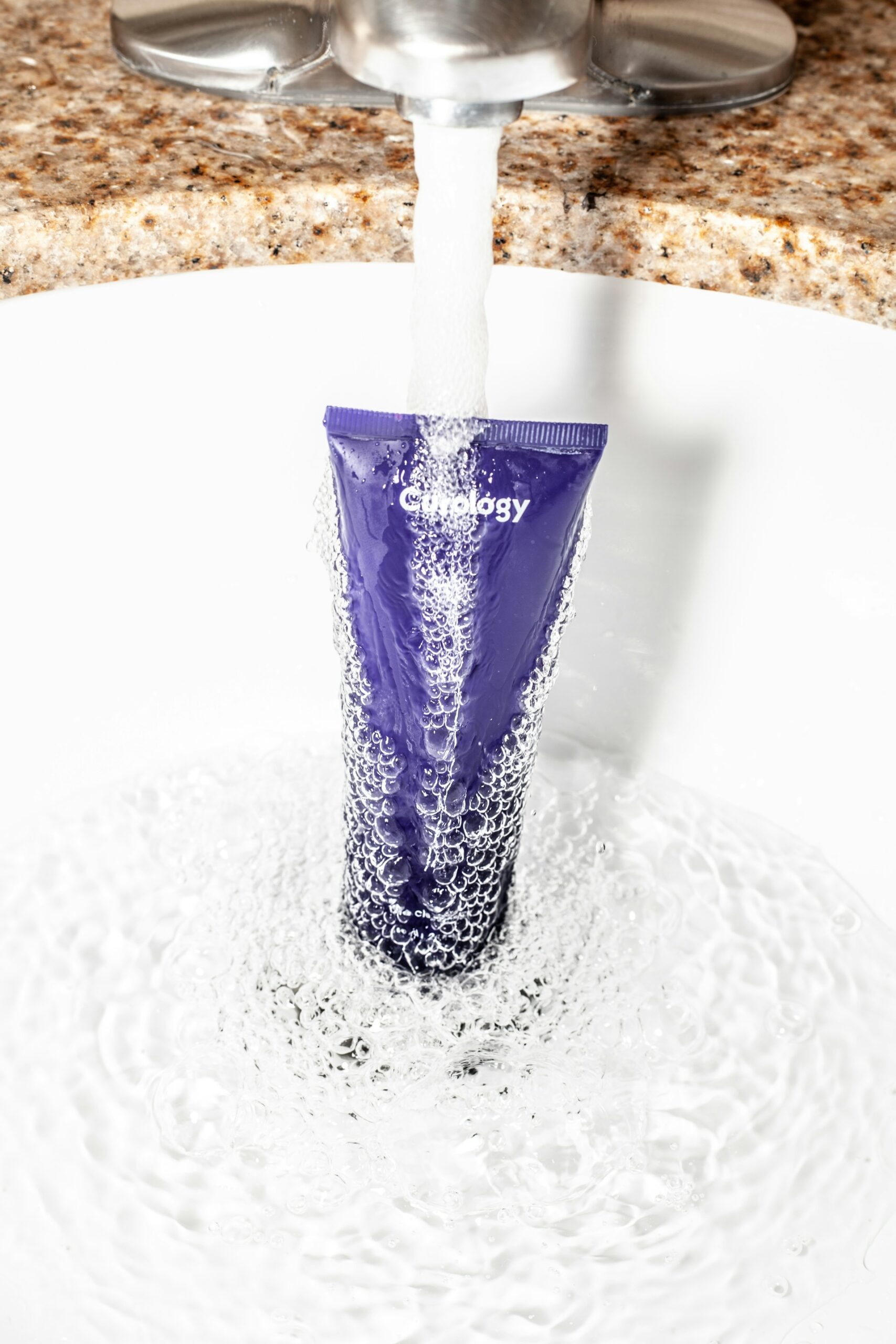
- Oily Skin: Use a foaming or gel-based cleanser to remove excess oil.
- Dry Skin: Opt for a creamy, hydrating cleanser.
- Sensitive Skin: Look for a fragrance-free, gentle cleanser.
- Combination Skin: Use a balancing cleanser that works for both oily and dry areas.
3. Be Gentle
Apply your cleanser with your fingertips, using circular motions. Avoid scrubbing or using harsh tools, which can irritate your skin.4. Rinse Thoroughly
Ensure all the cleanser is rinsed off, as leftover product can clog pores. Use a clean towel to pat your face dry, don't rub.5. Follow Up with Moisturiser
Even if your skin is oily, it needs hydration. Apply a lightweight, oil-free moisturiser after washing your face to lock in moisture and maintain balance.Tips for Teenagers with Different Skin Types
Your skin type plays a role in how you care for your face. Here are some tips tailored to different skin types:1. Oily Skin
- Stick to oil-free, non-comedogenic products.
- Use a toner with salicylic acid to control excess oil.
- Avoid over-washing, as this can increase oil production.
2. Dry Skin
- Use a creamy cleanser that won't strip moisture.
- Apply a rich moisturiser immediately after cleansing.
- Avoid using hot water when washing your face.
3. Sensitive Skin
- Choose fragrance-free, gentle products.
- Patch-test new products to ensure they won't irritate your skin.
- Avoid scrubbing or using rough towels.
4. Combination Skin
- Use a balancing cleanser to target both oily and dry areas.
- Apply different moisturisers to different areas, if needed.
- Exfoliate once a week to remove dead skin cells without over-drying.
Common Mistakes to Avoid
Here are some mistakes to steer clear of when washing your face:- Using harsh scrubs or exfoliants daily
- Skipping your night-time cleanse
- Over-washing, which can strip natural oils and irritate your skin
- Using bar soap, which can dry out your skin
When to Seek Professional Help
If you're following a consistent skincare routine but still experiencing persistent issues like acne, dryness, or redness, it might be time to consult a dermatologist. They can recommend products or treatments tailored to your specific needs.Final Thoughts
Washing your face is a simple yet essential part of your skincare routine. For most teenagers, cleansing twice a day, once in the morning and once at night, is enough to maintain clean, healthy skin. By using the right techniques and products for your skin type, you can prevent common issues like acne, dryness, and irritation. Remember, consistency is key, and a little effort each day can make a big difference in how your skin looks and feels.How are you feeling?
It is really important that when we need help, we feel able to ask for it. This could be speaking to a parent, a close friend, a teacher or someone else you trust. Sometimes it can be really hard to share our feelings with other people but if we are feeling low or don't know where to turn, sharing with others is really important. Teachers will always take you seriously and listen to your problems in confidence if you approach them for help. Likewise, parents, siblings or friends will help you if you reach out to them.
If you feel like you can't speak to anyone you know, there are people and organisations that can help support you:
- Childline - Call them on 0800 1111 any time of the day or night, every day of the week
- NSPCC - Call them on 0808 800 5000 between 10am and 4pm Monday to Friday or email them on help@NSPCC.org.uk
- The Samaritans – Call them on 116 123 any time of the day or night, every day of the week
- SANE – Call 0300 304 7000 for support (4:30pm - 10:30pm every day)
- Mind – Call 0300 123 3393 (9:00am - 6:00pm Monday to Friday)
*Sometimes we will use real life examples in our articles to aid understanding. When we do, names and ages will be changed.
