













Let's get started...
Understanding Why Tattoos Fade Over Time
If you or someone you know is considering getting inked, you might be curious about the longevity of tattoos. Many factors can influence how a tattoo looks as years pass, ranging from the design and ink quality to sun exposure and skincare. Let's dive into why tattoos fade over time and what you can do to preserve them.
What Makes Tattoos Fade?
Tattoos are created by injecting ink into the dermis, the second layer of skin, which is relatively stable. However, despite this protection, several factors can lead to a tattoo fading:
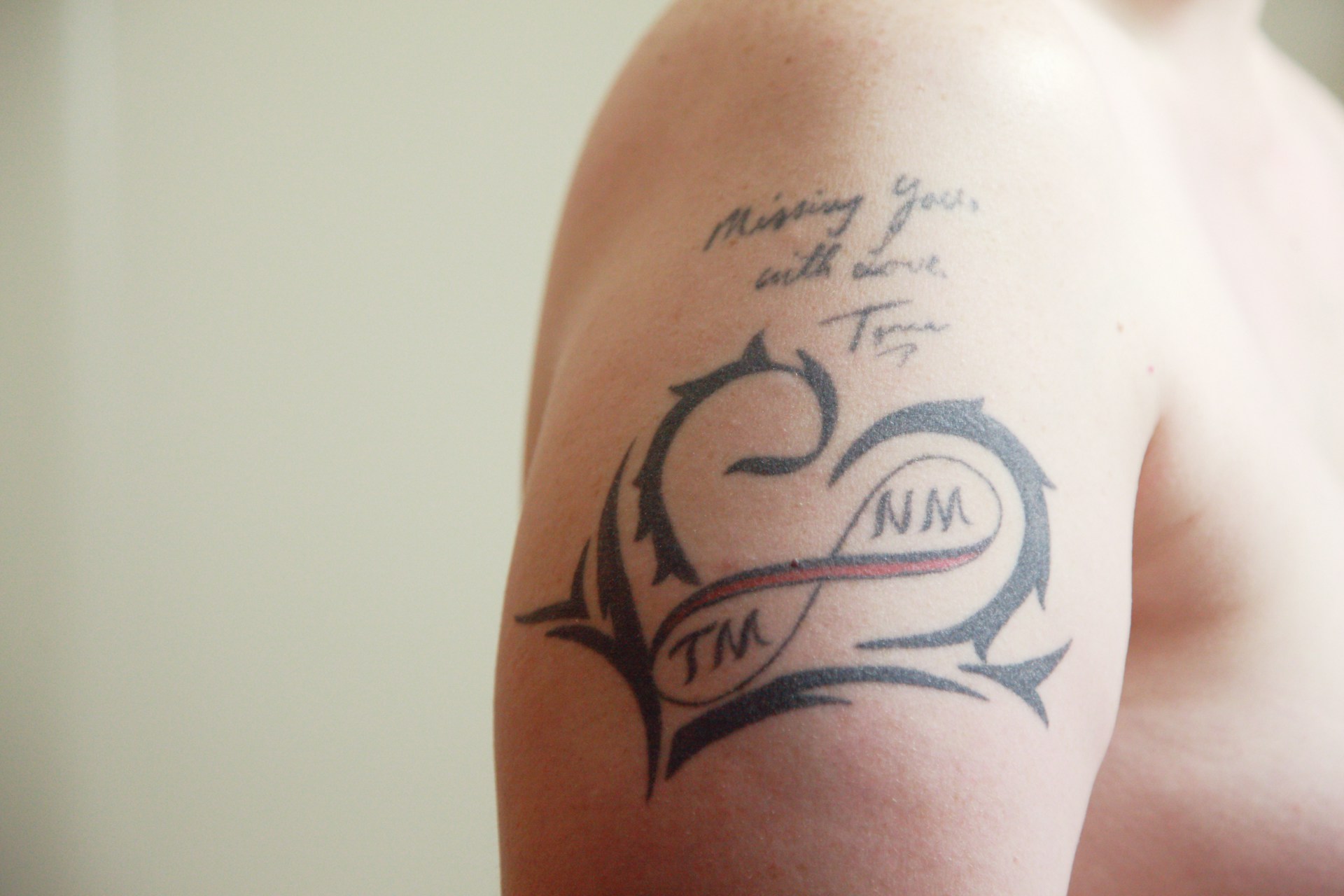
- Quality of Ink: The type of ink used can significantly impact how well a tattoo stands up over time. Some cheaper inks may fade quicker than higher-quality alternatives.
- Sun Exposure: Just like the sun can damage your skin, it can also cause your tattoo to fade. Ultraviolet (UV) rays break down the ink particles, leading to fading and colour changes.
- Location on the Body: Areas that undergo more skin regeneration or have thin skin, like the hands and feet, often see tattoos fade faster.
- Friction: Constantly rubbing or wearing tight clothing over tattooed skin can increase the rate of fading.
- Skin Care: Poor skincare habits can affect the longevity of a tattoo. Proper hydration and moisturizing are key to keeping tattooed skin looking fresh.
- Body Changes: Weight gain, loss, or muscle growth can stretch and distort tattoos, sometimes leading to a faded appearance.
How Tattoo Fading Affects Young People
For teenagers considering a tattoo, understanding the implications of a possibly fading tattoo is crucial. A tattoo is essentially a form of self-expression and commitment at any age, especially during the teen years when many lifelong preferences and values are being formed. Consider these impacts:
- Change in Appearance: As tattoos fade or blur, they may lose the sharpness and vibrancy they originally had, which can be a source of regret or dissatisfaction.
- Emotional Attachments: Many young people get tattoos with a significant emotional meaning. A fading tattoo might feel like a loss of those emotions or memories.
- Social and Professional Perception: As you grow and venture into new social and professional environments, heavily faded or poorly ageing tattoos may be perceived differently, potentially impacting first impressions.
Strategies to Maintain Your Tattoo's Vividness
Maintaining the appearance of your tattoo over time may require a bit of effort. However, these efforts prove worthwhile for anyone wanting to keep their tattoo as pristine as possible. Here's how:
- Avoid Prolonged Sun Exposure: When exposing your tattoo to sunlight, always use a high SPF sunscreen to protect the ink from UV rays.
- Maintain Skin Health: Keep your tattooed skin moisturised and hydrated. Invest in good quality tattoo-specific products that shield the ink and keep the skin supple.
- Choose Professional Tattoo Artists: Research before getting a tattoo to ensure your artist uses high-grade ink and follows all health and safety standards in their practise.
- Consider Placement Carefully: Choose an area of your body that experiences less friction and sun exposure to better preserve your tattoo.
- Opt for Touch-Ups: Over time, consider getting touch-ups to refresh your tattoo's appearance. This is often necessary for tattoos that have significantly faded.
Lastly, if you think your tattoo is fading too rapidly, consult your tattoo artist. They can offer advice specific to your skin type and tattoo placement.
Conclusion
Ultimately, a tattoo is a significant personal decision, especially for teenagers who are still navigating their identity and personal expression. Understanding that tattoos can fade and knowing how to take precautionary steps to minimise this can help in maintaining both the aesthetics and the emotional value of the tattoo in the long term.
How are you feeling?
It is really important that when we need help, we feel able to ask for it. This could be speaking to a parent, a close friend, a teacher or someone else you trust. Sometimes it can be really hard to share our feelings with other people but if we are feeling low or don't know where to turn, sharing with others is really important. Teachers will always take you seriously and listen to your problems in confidence if you approach them for help. Likewise, parents, siblings or friends will help you if you reach out to them.
If you feel like you can't speak to anyone you know, there are people and organisations that can help support you:
- Childline - Call them on 0800 1111 any time of the day or night, every day of the week
- NSPCC - Call them on 0808 800 5000 between 10am and 4pm Monday to Friday or email them on help@NSPCC.org.uk
- The Samaritans – Call them on 116 123 any time of the day or night, every day of the week
- SANE – Call 0300 304 7000 for support (4:30pm - 10:30pm every day)
- Mind – Call 0300 123 3393 (9:00am - 6:00pm Monday to Friday)
*Sometimes we will use real life examples in our articles to aid understanding. When we do, names and ages will be changed.