













Let's get started...
Understanding Tattoos and Their Risks
Getting a tattoo is more than just a trendy way to adorn your body with art; it's a form of self-expression that has been practiced around the world for centuries. A tattoo is essentially a form of body modification where ink is inserted into the dermis layer of the skin to change its pigment. What was once a cultural rite of passage has evolved into a popular aesthetic choice among people of all ages, including teenagers.
However, before deciding to get a tattoo, it's crucial to understand both the immediate and long-term effects it can have on your health and well-being. Let's delve into what these implications might be, especially for young individuals still in their teens.
Potential Risks and Health Concerns
The process of getting a tattoo involves needles and ink, which opens the door to several health risks if not handled properly. Here are some of the potential dangers:
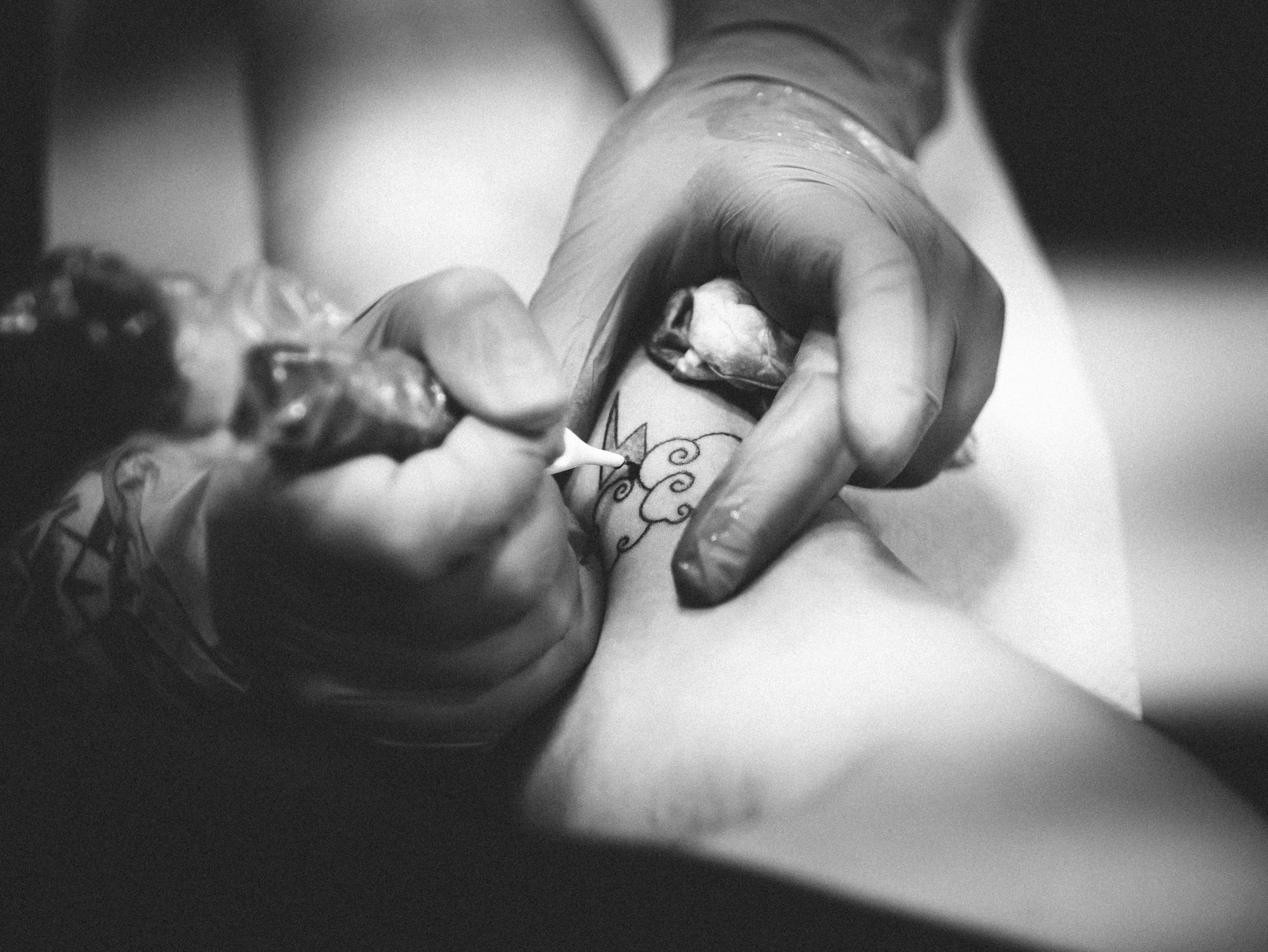
- Infections: Since the procedure involves piercing the skin, there's a risk of bacteria entering the wound. If the tattoo equipment isn't sterilized correctly, it can lead to infections such as staphylococcus or even hepatitis.
- Allergic Reactions: Some people might be allergic to the tattoo ink. Different colours contain different compounds that might cause reactions reds and yellows, for example, often lead to more allergic reactions than other colours.
- Granulomas: These are nodules that can form around particles that the body perceives as foreign, such as tattoo pigment.
- Scarring: Improper tattooing can lead to keloids raised areas caused by an overgrowth of scar tissue.
- Diseases: If the equipment used is contaminated with infected blood, you can contract various bloodborne diseases, including tetanus, hepatitis B, hepatitis C, and HIV.
Consideration Before Getting a Tattoo
For teenagers particularly, deciding to get a tattoo should be carefully considered. Not only are there legal age restrictions in place most places in the UK require you to be at least 18 years old to get a tattoo without parental consent but the implications of getting a tattoo at a young age can extend beyond just health risks:
- Maturity: As teenagers, what seems appealing at 17 might not hold the same value at 27 or 37. The permanence of tattoos can lead to regret later if not thought through.
- Social and Employment Considerations: While societal acceptance of tattoos has increased, some workplaces still have policies against visible tattoos. This can potentially limit career options.
Safe Tattooing Practices
Should you decide to get a tattoo, ensuring it's done safely is crucial. Here are some steps you can take to minimise the risks:
- Choose the Right Salon: Opt for a reputable tattoo studio that follows all health and safety guidelines. check if they use single-use needles and have proper sterilisation processes.
- check the Ingredients: If you know you have allergies, ask about the types of inks used and their ingredients. This is vital to avoid allergic reactions.
- Follow Aftercare Instructions: Proper aftercare is crucial to avoid complications. Follow the tattoo artist's instructions for cleaning and caring for your new tattoo.
- Legal Compliance: Always make sure you're in compliance with local laws regarding age limits for tattoos. In the UK, you must be 18 years old to get a tattoo without parental consent.
When Things Go Wrong
If you experience any signs of infection or other complications post-tattoo, seeking medical advice promptly is crucial. Some signs to watch for include excessive redness, swelling, fever, or pus at the tattoo site. Early medical intervention can prevent more severe complications.
Changing Your Mind
What happens if you regret your tattoo? There are options available for removal, but they can be costly and painful. Tattoo removal techniques such as laser surgery, dermabrasion, and surgical removal, while effective, may also lead to other complications like scarring and discomfort during the procedures.
Final Thoughts
While tattoos can be a beautiful form of self-expression, they come with responsibilities and risks, particularly for teens. Ensuring that you're aware of all aspects of tattooing can help you make an informed decision. Remember, a tattoo is not just a work of art; it's a medical procedure that requires careful consideration.
For young people, weighing the desire for self-expression through tattoos with the potential health risks and social implications is key. Think carefully, choose wisely, and always prioritise your health and future.
How are you feeling?
It is really important that when we need help, we feel able to ask for it. This could be speaking to a parent, a close friend, a teacher or someone else you trust. Sometimes it can be really hard to share our feelings with other people but if we are feeling low or don't know where to turn, sharing with others is really important. Teachers will always take you seriously and listen to your problems in confidence if you approach them for help. Likewise, parents, siblings or friends will help you if you reach out to them.
If you feel like you can't speak to anyone you know, there are people and organisations that can help support you:
- Childline - Call them on 0800 1111 any time of the day or night, every day of the week
- NSPCC - Call them on 0808 800 5000 between 10am and 4pm Monday to Friday or email them on help@NSPCC.org.uk
- The Samaritans – Call them on 116 123 any time of the day or night, every day of the week
- SANE – Call 0300 304 7000 for support (4:30pm - 10:30pm every day)
- Mind – Call 0300 123 3393 (9:00am - 6:00pm Monday to Friday)
*Sometimes we will use real life examples in our articles to aid understanding. When we do, names and ages will be changed.