













Let's get started...
Tattoos have been a form of self-expression for centuries, with their popularity increasing in recent years. For teenagers, tattoos can feel like a way to showcase individuality or commemorate something important. However, the question often arises: are tattoos safe? Understanding the process, risks, and long-term implications of getting a tattoo is essential before making such a permanent decision. In the UK, you must be at least 18 years old to get a tattoo, even with parental consent. This regulation exists to ensure that individuals are mature enough to make an informed decision about something that will stay with them for life.How Do Tattoos Work?
A tattoo is created by injecting ink into the second layer of skin (the dermis) using a needle. This process forms a design that becomes permanent because the ink is trapped in the skin's deeper layers. While the technology and techniques have advanced significantly, the process itself involves puncturing the skin, which carries potential risks.Are Tattoos Safe?
When done by a professional tattoo artist in a licensed studio, tattoos are generally safe. However, there are risks involved, particularly if proper hygiene and safety standards are not followed. Here are some potential risks: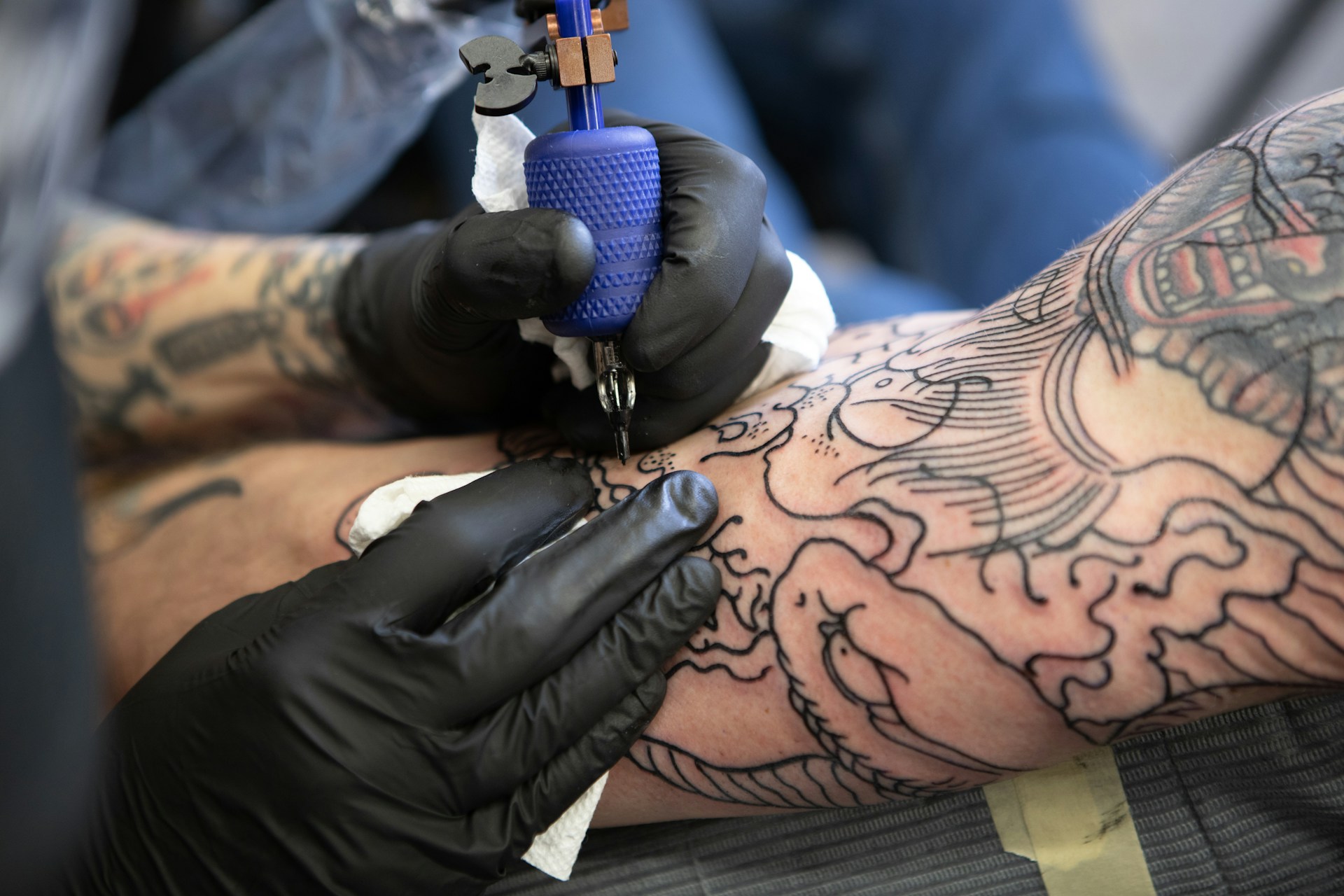
- Infections: If the equipment isn't sterilised or the tattoo is not cared for properly, bacterial infections can occur.
- Allergic Reactions: Some people may have allergic reactions to the tattoo ink, leading to itching, redness, or swelling.
- Scarring: Improper tattooing techniques or poor aftercare can cause scars or keloids (raised areas of scar tissue).
- Bloodborne Diseases: Using unclean needles can spread infections like hepatitis or HIV, though this is rare in licensed studios.
- Regret: The permanence of tattoos means that removing or altering them later can be costly and painful.
The Real-Life Impact of Tattoos on Young People
For teenagers, the idea of getting a tattoo can be exciting. It might represent personal identity, a cherished memory, or a creative design. However, it's important to consider the long-term implications:Positive Impacts:
- Increased confidence and self-expression through a design that feels meaningful.
- A sense of individuality and uniqueness.
Challenges:
- Possible regret if the design no longer feels relevant as you grow older.
- Negative reactions from others, including family members or employers, who might not approve of tattoos.
- The cost and pain of removal if you change your mind later.
Practical Strategies for Making Safe Decisions About Tattoos
If you're considering getting a tattoo in the future, here are some tips to ensure the process is safe and you're happy with your decision:1. Wait Until You're Old Enough
In the UK, the legal age for getting a tattoo is 18. Use this time to think carefully about your decision and explore different ideas for designs and placements.2. Choose a Reputable Tattoo Studio
Always go to a licensed and reputable studio. Look for reviews, recommendations, and examples of the artist's previous work. A professional studio will prioritise hygiene and safety.3. Check for Hygiene Standards
Ensure the artist uses sterilised equipment, wears gloves, and follows proper sanitation practices. The studio should be clean and meet local health regulations.4. Start Small
If it's your first tattoo, consider starting with a small design. This allows you to experience the process without committing to something too large or complex.5. Avoid Impulsive Decisions
Avoid getting a tattoo on a whim. Take time to research designs, think about their meaning, and ensure you're confident in your choice.6. Understand the Pain Factor
Tattoos can be painful, depending on the placement and your personal pain tolerance. Research the least and most painful areas to help you prepare.7. Consider the Placement
Think about where you want your tattoo and whether it will be visible. Some employers or professions may have restrictions on visible tattoos.8. Research Tattoo Aftercare
Proper aftercare is crucial to prevent infections and ensure your tattoo heals well. Follow the artist's instructions, which usually include keeping the area clean and moisturised.9. Be Mindful of Trends
Trendy tattoos might feel exciting now, but their appeal can fade over time. Choose a design with personal meaning rather than something that's currently popular.10. Think About the Future
Consider how your tattoo might look as you age and whether it aligns with your long-term goals and lifestyle. Removing a tattoo later can be expensive and painful, so it's worth planning ahead.What to Do If You Change Your Mind
If you regret a tattoo, removal is possible but can be costly and painful. Laser tattoo removal is the most common method, but it may require multiple sessions and isn't always completely effective. This is why careful consideration before getting a tattoo is so important.Final Thoughts
Getting a tattoo can be a meaningful and rewarding experience, but it's a decision that requires careful thought and preparation. By understanding the risks, choosing a reputable studio, and thinking about the long-term impact, you can ensure that your tattoo is a safe and positive addition to your life. Remember, there's no rush, taking your time to make an informed choice will lead to better results and less regret in the future.How are you feeling?
It is really important that when we need help, we feel able to ask for it. This could be speaking to a parent, a close friend, a teacher or someone else you trust. Sometimes it can be really hard to share our feelings with other people but if we are feeling low or don't know where to turn, sharing with others is really important. Teachers will always take you seriously and listen to your problems in confidence if you approach them for help. Likewise, parents, siblings or friends will help you if you reach out to them.
If you feel like you can't speak to anyone you know, there are people and organisations that can help support you:
- Childline - Call them on 0800 1111 any time of the day or night, every day of the week
- NSPCC - Call them on 0808 800 5000 between 10am and 4pm Monday to Friday or email them on help@NSPCC.org.uk
- The Samaritans – Call them on 116 123 any time of the day or night, every day of the week
- SANE – Call 0300 304 7000 for support (4:30pm - 10:30pm every day)
- Mind – Call 0300 123 3393 (9:00am - 6:00pm Monday to Friday)
*Sometimes we will use real life examples in our articles to aid understanding. When we do, names and ages will be changed.